




🏰 Churches and Monasteries of Imereti: A Complete Guide to 22 Sites
What to Know About Imereti's Churches
22 sites in the Madloba catalogue: from two UNESCO World Heritage monasteries to a cave church above Chiatura and 14th-century frescoes deep in the Zestaphoni forest.
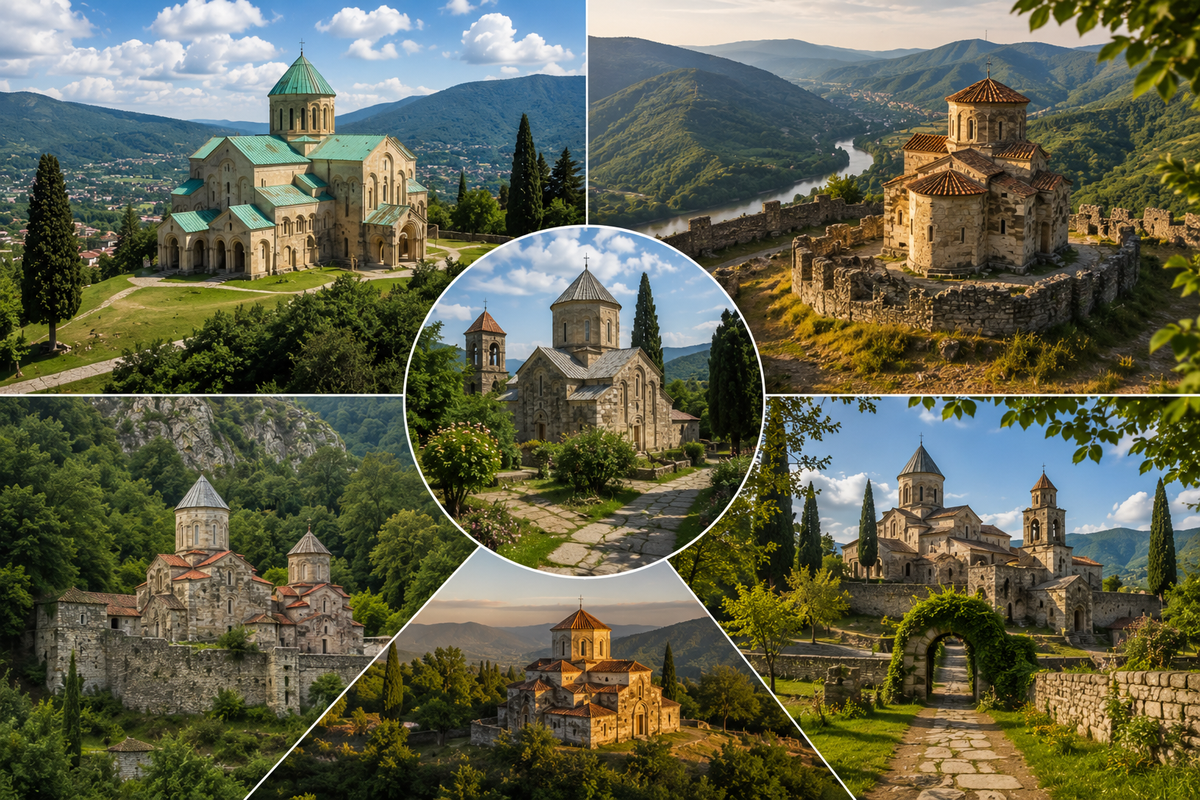
Imereti is a small region in western Georgia with a density of medieval churches that most tourists don't expect. Two of them — Gelati and Bagrati — are on the UNESCO World Heritage List and appear in every guidebook. The rest are largely off the tourist circuit: a monastery built inside a natural cave above Chiatura, a church with a chrysanthemum-shaped dome near Katskhi, Ubisi with 14th-century frescoes deep in the forest near Zestaphoni. Most of these have no ticket offices, no tour groups, no cafés outside. Just a path, a monastery gate and quiet.
The Imereti churches catalogue on Madloba lists 22 objects in total. Sites cluster around three directions from Kutaisi. The first: Gelati and Motsameta in the Tskhaltsiteli valley to the northeast, 10-15 minutes by taxi. The second: Ubisi and Mgvimevi along the E60 highway towards Tbilisi, past Zestaphoni and on to Chiatura. The third: the Katskhi area with both the famous pillar and the less-known Nativity Monastery, roughly 80 km east of Kutaisi.
All sites are functioning monasteries. Bring a headscarf and clothes that cover shoulders and knees. Photography inside is generally fine without flash, but ask if you're unsure. Entry is free at every site.
All Churches and Monasteries of Imereti by Area
Select a direction to open a catalogue page or read a full guide.
🏙️ Near Kutaisi 3
🌿 Zestaphoni, Ubisi and Chiatura 4
🏔️ Katskhi and Chiatura Municipality 2
🗺️ Sachkhere, Samtredia, Terjola and Tkibuli 4
All 22 sites on an interactive map. Marker colour: dark gold — UNESCO and major sites; ochre — well-known; grey — off the beaten path. Click any marker to open a description and catalogue link.
🗺️ Churches and Monasteries of Imereti
Open in Google Maps🏛️ Gelati: the monastery that was also a university
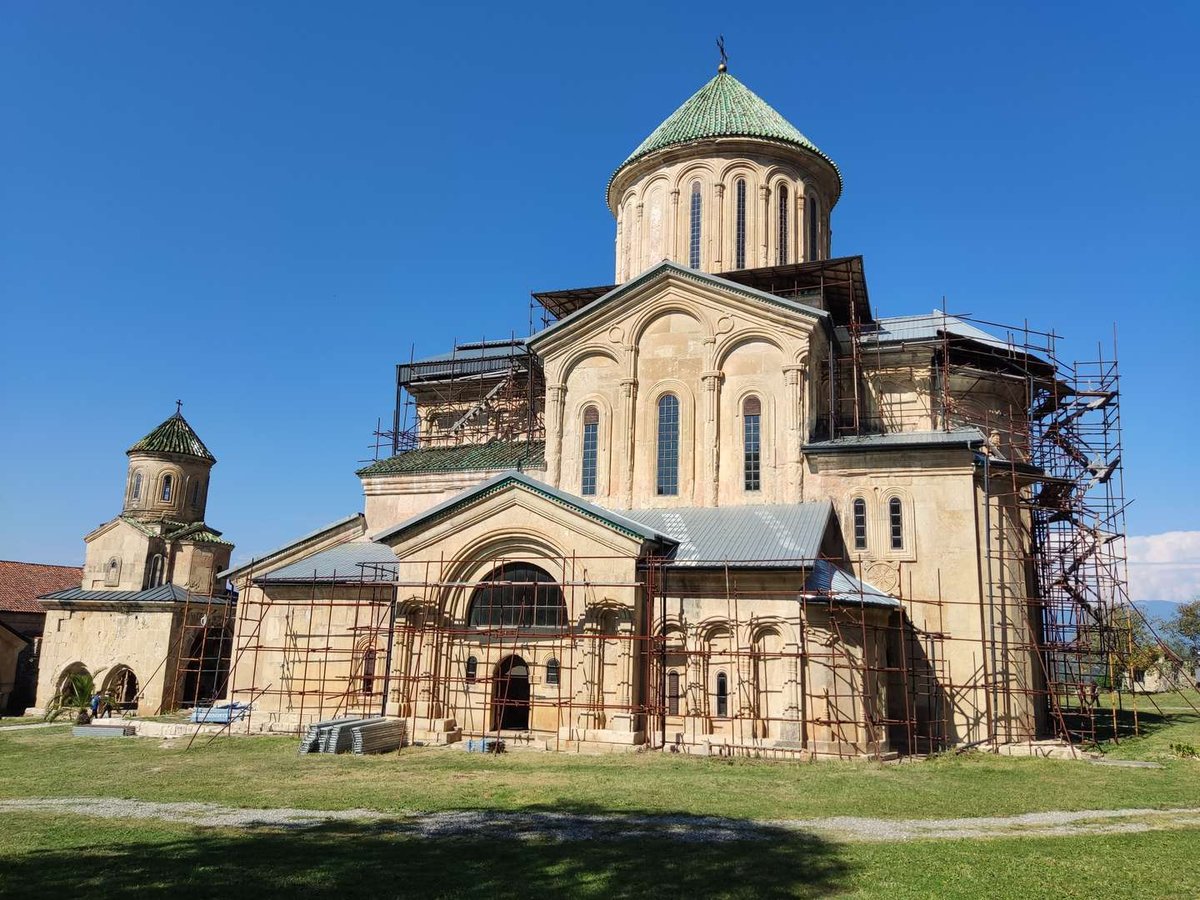
Before you go, save the location: Gelati Monastery in the Madloba catalogue.
King David IV, known as the Builder, founded Gelati in 1106 in the Tskhaltsiteli valley 11 km from Kutaisi. He built it not as a ceremonial showpiece but as a place for serious intellectual work. The Gelati Academy functioned for centuries: scholars translated Greek philosophers and Arab scientists, wrote theology and poetry. For 12th-century Georgia, it was one of the few places where books were systematically kept and read.
The complex has three churches. The main one, the Cathedral of the Nativity of the Virgin, dates from the 12th century. In the apse, a 12th-century mosaic of the Virgin and Child survives — one of the best-preserved in the country. The walls of all three churches carry frescoes from different periods: the 12th, 13th and 16th centuries, each layer reflecting a new ruler and different tastes.
David the Builder is buried under the main gate. His wish: everyone entering should step over his grave. Whether this was humility or a calculated act of memory is hard to say. Probably both. Queen Tamar and several other Georgian monarchs are also entombed here.
UNESCO World Heritage since 1994. Taxi or minibus from David Aghmashenebeli Avenue in Kutaisi, 15-20 minutes. Free entry; modest dress required. Come in the morning — tour groups arrive later in the day.
🏛️ Bagrati Cathedral: above the city
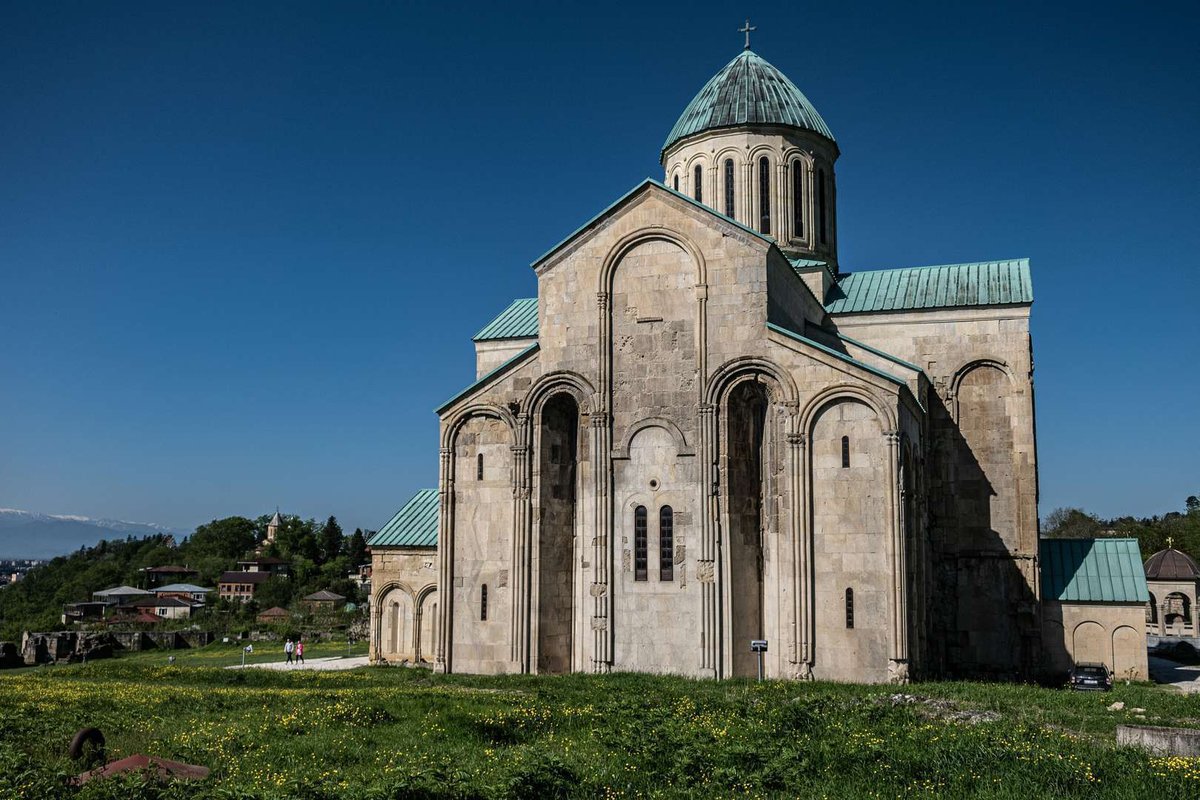
Bagrati Cathedral stands on Ukimerioni Hill directly above Kutaisi. You can see it from almost anywhere in the city.
Built in the early 11th century by Bagrat III, the first king of unified Georgia. UNESCO World Heritage since 1994. In 1692, Ottoman troops occupied Kutaisi and detonated a powder magazine inside the cathedral, bringing down the dome and most of the walls. The ruins stood for several centuries — and honestly, photographs from the 19th century show something hauntingly beautiful in all that collapsed stone.
A major restoration finished in 2012 with a reconstructed dome. UNESCO publicly criticised the methods, and the debate among architects and historians hasn't quite ended. If you want to form your own view, go and look: original 11th-century stone carving is clearly visible in the lower sections of the walls and looks nothing like the new stonework above.
Active cathedral. 10-20 minutes on foot uphill from Kutaisi's centre. Free entry, open daily.
🏛️ Motsameta: cliff, river, and the martyrs' relics
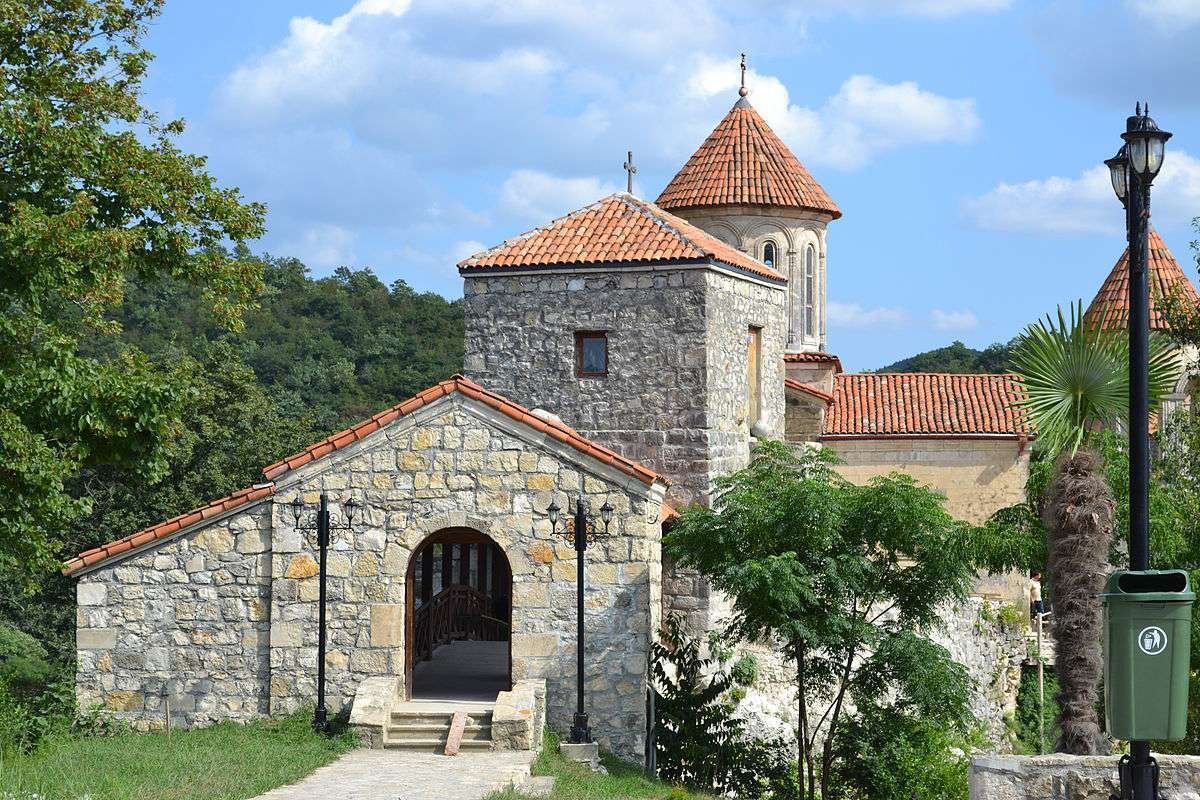
Motsameta Monastery sits on a rocky promontory above the Tskhaltsiteli River, 6 km from Kutaisi.
The monastery's founding story goes back to 736, when the Arab commander Murvan Kru swept through western Georgia. Two Georgian princes, brothers David and Constantine Argveti, were captured and offered a choice: convert to Islam or die. They refused. Their bodies were thrown into the river but, according to tradition, washed ashore nearby. The brothers were canonised, and the site became holy.
Bagrat IV built the current monastery in the 11th century. The reliquary with the brothers' relics stands to the left of the altar. A local tradition: walk around the reliquary on your knees three times and make a wish. People do it quietly, seriously, without any theatrical element. The feast day, Motsameta, falls on 15 October and draws pilgrims from across Imereti.
The site itself is small. But the cliff above the gorge and the silence make it worth the detour. From Kutaisi, it works well as a second stop after Gelati — both are in the same valley, 15 minutes apart by taxi.
🏔️ Mgvimevi: inside a cave above Chiatura
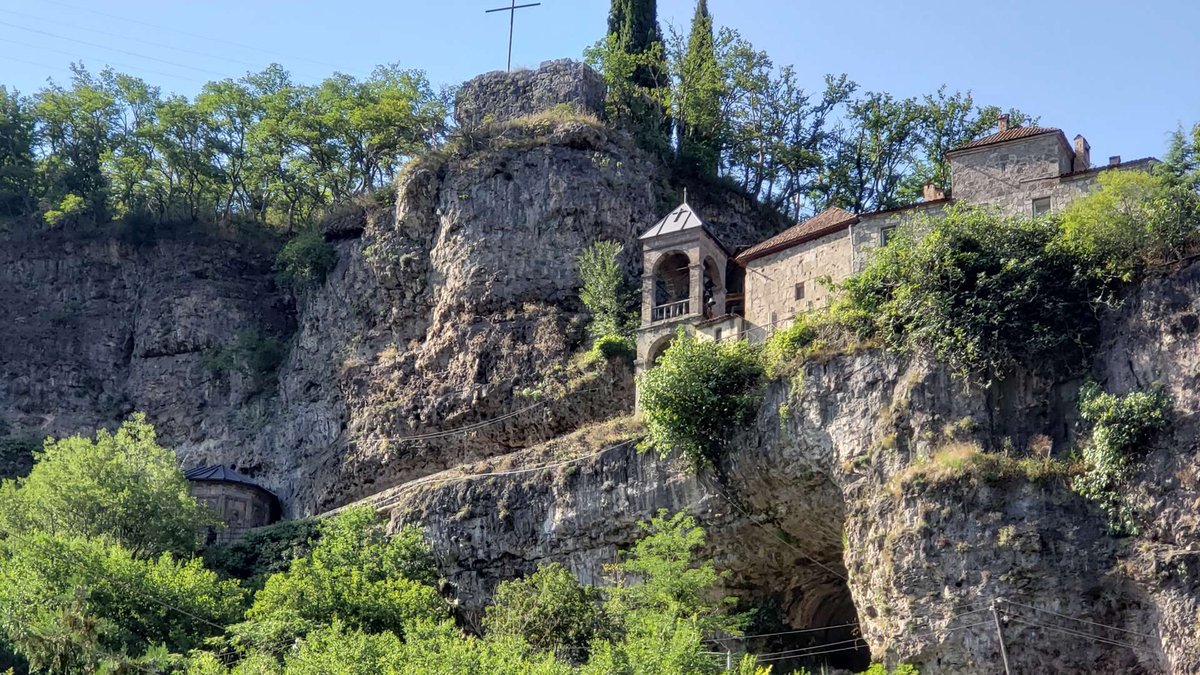
Mgvimevi sits on the eastern edge of Chiatura above the Kvirila valley. You can't see it from below. There's a small sign on the road, then stone steps, a tunnel cut through the rock, more steps. The monastery only reveals itself at the end.
It was built in the 13th century inside a natural cave 35 metres deep. Not carved into the cliff like many Georgian cave monasteries, but literally fitted into an irregular natural void. Part of the main church's ceiling is raw rock. On the north wall inside, 13th-century frescoes show portraits of the builders: Eristav Rati of the Kakhaberidze family, his wife Rusudan, his brother Niania. These aren't symbolic figures, they're named individuals.
The monastery survived Tamerlane's campaign at the end of the 14th century. Today it's an active convent, quiet and well-kept. From the terrace, you can see the old part of Chiatura with its Soviet-era cable cars, still running.
Go in the morning. Women must bring a headscarf and modest clothing. Entry is free. The sign from the road is easy to miss — tell your driver "Mgvimevi" and they'll know where to stop.
🏔️ Katskhi: the pillar and the chrysanthemum dome
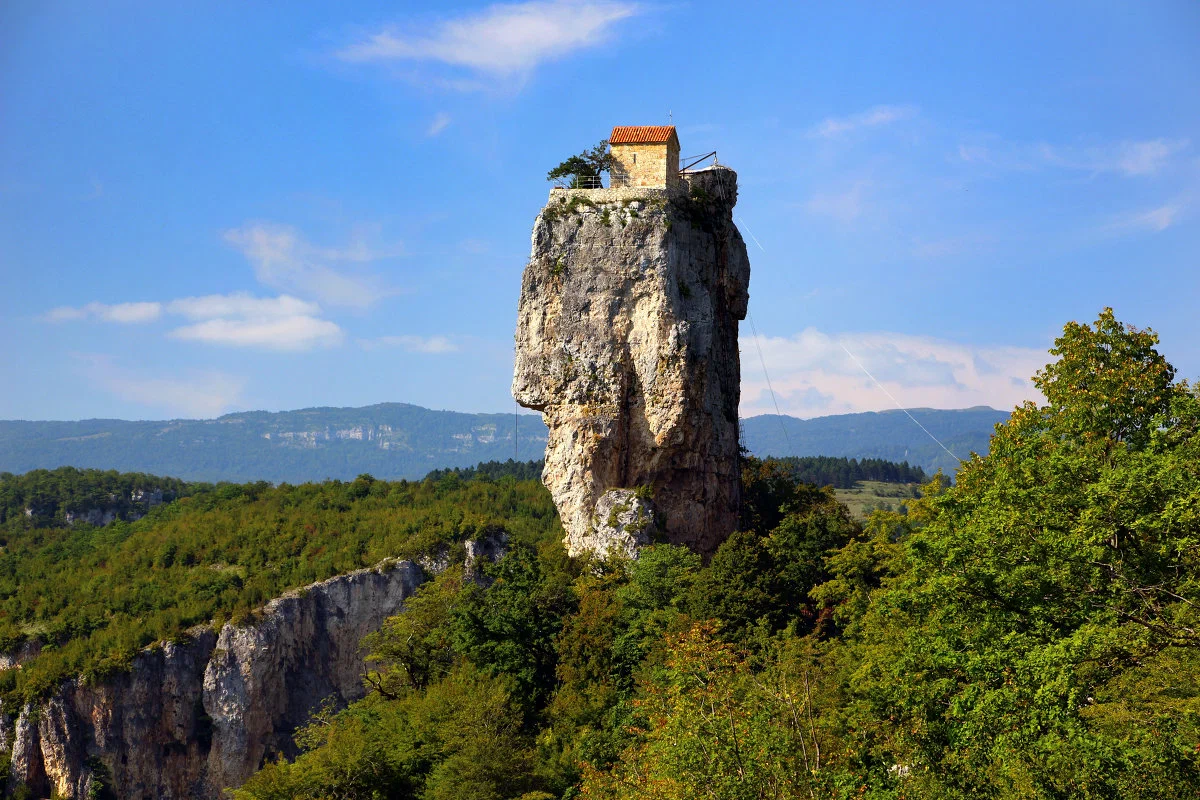
In Chiatura Municipality, about 40 km from Zestaphoni, two sites stand a kilometre apart. Most tourists visit one and don't know about the other.
Katskhi Pillar is a 40-metre freestanding rock above the Katskhu River valley, with a church of St Simeon the Stylite and hermit's cells on the summit. The public cannot climb it — only monks with permission. Looking up from below is its own experience: the rock is sheer and the church at the top looks genuinely impossible. Coordinates: 42.287481, 43.215840. Best light for photographs is at sunset.
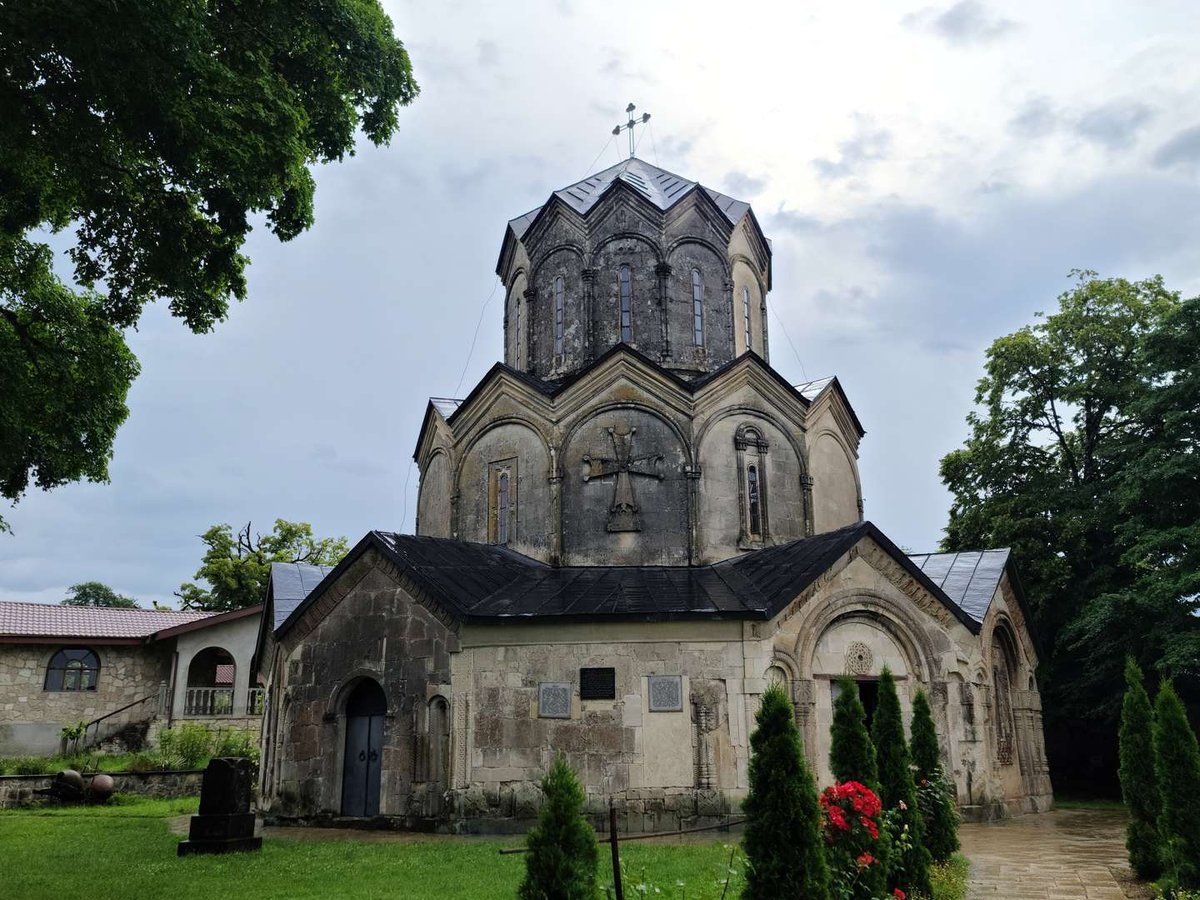
Katskhi Nativity Monastery is 1 km down the road, visible from the highway. Built in the early 11th century by the Bagvashi princes. The drum of the church dome has a multi-petalled chrysanthemum shape — the only example of this form in Georgia. Coordinates: 42.26949, 43.21306.
Near the foot of the Pillar there's a small unmanned stall: take a water or a lobiani, leave money. No cafés in the village of Katskhi.
🌿 Ubisi: 14th-century frescoes in the forest
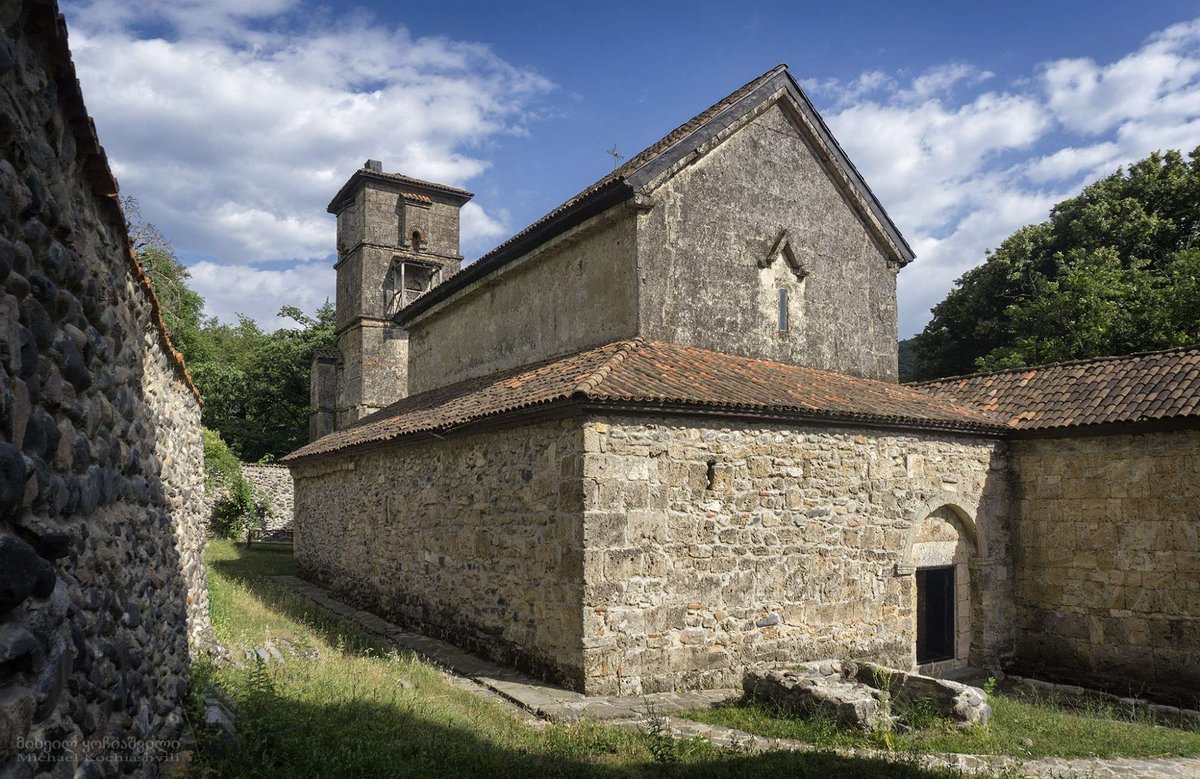
Ubisi Monastery is in Kharagauli Municipality, 15 km from Zestaphoni, between the E60 highway and the Dzirula River. Few people stop here, though the turnoff is easy: the monastery is visible from the road.
The history begins in the 9th century when the monastery was founded under the influence of Grigol Khandzteeli. The main Church of St George is a hall-type structure with three side chapels. The architecture is spare, without elaborate carving. Everything of value is inside.
The 14th-century frescoes are attributed to master Damiane. These are the only surviving works by this painter. The style is light, almost joyful, with gold and deep blue. Among scholars of medieval Georgian painting, Ubisi is considered essential: there is nowhere else to see Damiane.
Free entry. The caretaker is usually on site and happy to talk. Best to arrive before noon.
🌿 Tskhradzhvari: on the ridge at Nakeral Pass
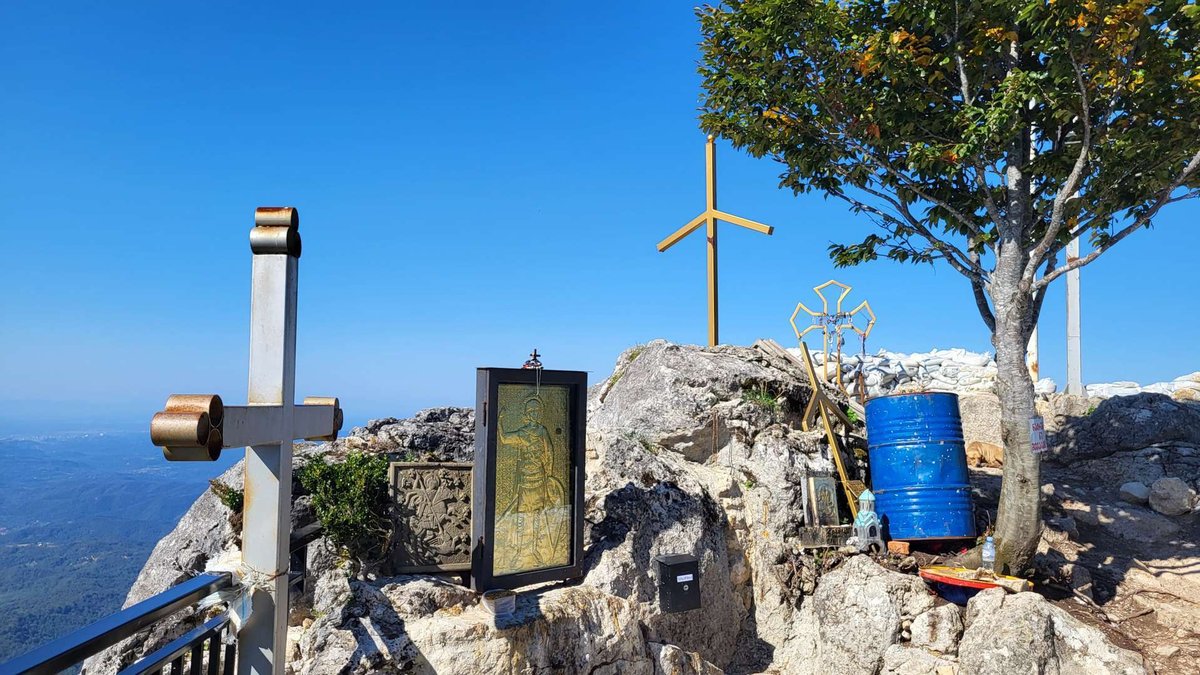
Tskhradzhvari stands at the Nakeral Pass in Tkibuli Municipality. A medieval church on a ridge with views across two valleys. The hike up is serious. In return, you'll be there alone. Open May through October only: the pass is inaccessible in winter.
🌿 Other sites in the catalogue
Ilemi Church in Zestaphoni Municipality. An isolated church for those who value stillness over architecture.
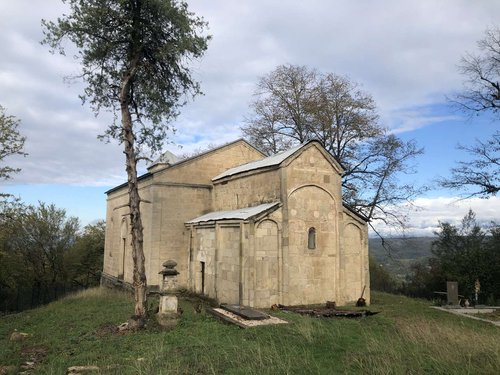
Okono Argveti Church in Sachkhere Municipality. Unusual dedication, small church.
St George Church, Zemo Abasha in Samtredia Municipality.
Tabakini in Zestaphoni Municipality. A Catholic church of St George from the 7th-8th centuries in a gorge — one of the earliest in the catalogue.
Simoneti Convent in Terjola Municipality. Active convent in a very secluded setting.
🗺️ Route options
Route options choose by time available
🚗 Getting there and how long to allow
Getting there and time needed from Kutaisi
on foot
taxi / minibus
taxi
car / taxi
car
car
📌 What to bring
📌 What to bring
📜 The Kingdom of Imereti and its churches
Gelati, Bagrati and Motsameta were built in the 11th century during the brief period of a unified Georgian state. When that state fragmented, Imereti became its own kingdom, from 1463 to 1810.
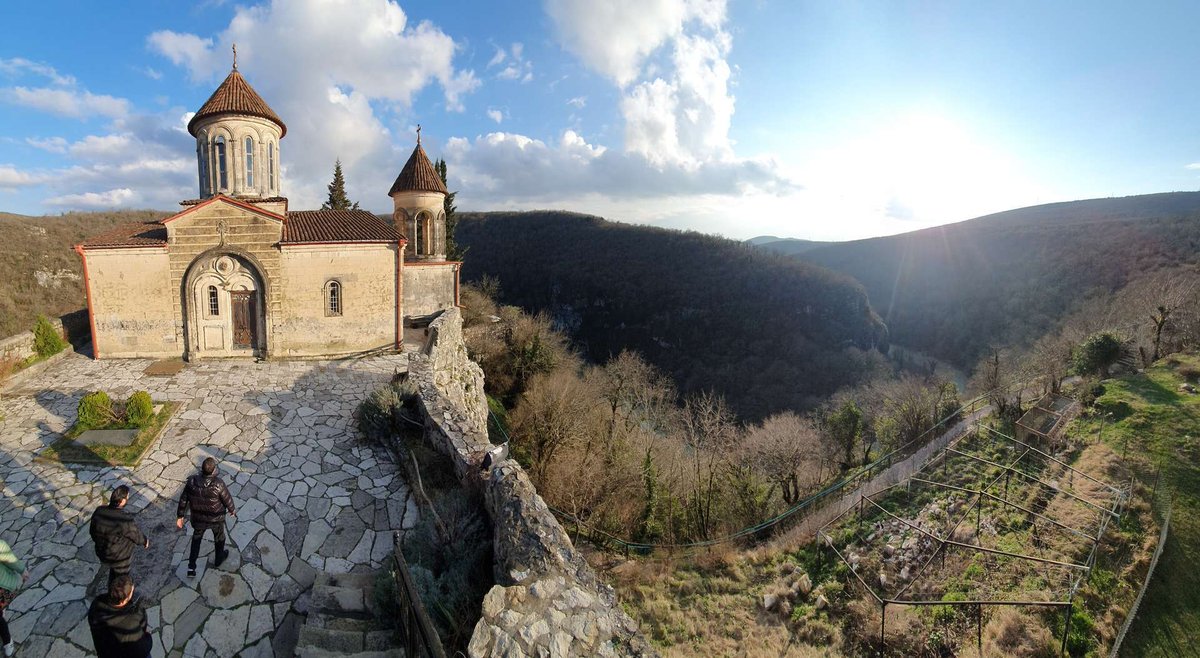
Three and a half centuries of independence left an architectural record. Kings built churches as political statements: who were you, if you had no cathedral to show for it? David the Builder put everything he had into Gelati. Bagrat III positioned Bagrati so that it was visible from every corner of Kutaisi. The later sites — Mgvimevi, Ubisi, the Katskhi monastery — were built not by kings but by feudal lords and monastic communities. Smaller in scale, but these are often the ones where something unexpected survived: frescoes with the builders' actual names, a dome in a shape found nowhere else in the country, a monastery set inside a cave with no signs outside.
In 1810 the Kingdom of Imereti joined the Russian Empire. Some churches fell into disrepair; others were handed to the Russian Orthodox Church. Ubisi was more or less forgotten for a long time and only properly studied in the 20th century. The frescoes by Damiane are now behind glass.
For broader context on Imereti's history, the Kutaisi State History Museum covers the medieval period and the kingdom in depth.
Download the Imereti Churches Guide
All 22 sites with coordinates, history, access level and Madloba catalogue links. Save to your phone for offline use.
Have you visited any of Imereti's churches? Leave a review on Madloba: tell us which site surprised you most, and whether Ubisi or Mgvimevi is worth visiting without a guide.
Information is current as of June 2026. All monasteries are active communities. On feast days, liturgy schedules may affect visitor access. Modest dress is required everywhere.
FAQ
The Madloba catalogue lists 22 objects across the region. Two are on the UNESCO World Heritage List: Gelati and Bagrati Cathedral.
Gelati, founded in 1106 by David the Builder. It has a 12th-century mosaic, frescoes from three eras and royal tombs. 11 km from Kutaisi; reachable by minibus or taxi.
Taxi takes 15-20 minutes. Minibuses leave from David Aghmashenebeli Avenue. By car, follow navigation directly. It works well combined with Motsameta in the same valley.
Mgvimevi is set inside a natural cave 35 metres deep on the edge of Chiatura. It wasn't carved out of the cliff — the monastery was built inside an existing void in the rock. The only example of this in Georgia. An active convent since the 13th century, with frescoes showing named builders.
No. Only monks with special permission may climb. Viewing and photographing from below is free and unrestricted. Best light is at sunset.
The relics of martyred brothers David and Constantine Argveti, killed in 736 for refusing to convert to Islam. The monastery stands on a cliff above the Tskhaltsiteli River, 6 km from Kutaisi. The feast day, Motsameta, is 15 October.
Ubisi, with 14th-century frescoes by Damiane near Zestaphoni; the Katskhi Nativity Monastery with its chrysanthemum dome, 1 km from the famous Pillar; and Tskhradzhvari at the Nakeral Pass. All three are in the Madloba catalogue; none have regular tour groups.
Covered shoulders and knees; women must wear a headscarf. Keep voices low during services. Photography inside is generally allowed without flash — ask if unsure. Entry is free everywhere.
Gelati, Bagrati and Motsameta are accessible year-round. Ubisi and Mgvimevi are also open all year, though spring and autumn are more pleasant for the drive. Tskhradzhvari is only accessible May through October — the Nakeral Pass is closed in winter. In July and August Gelati sees tour groups; arrive early morning for a quieter visit.
Most major sites were built in the 11th century under the unified Georgian kingdom, or between the 15th and 18th centuries when Imereti was an independent kingdom. Building a church was a political statement — kings and nobles used architecture to demonstrate power and piety. In 1810 the kingdom joined the Russian Empire. Some churches fell into disrepair; others were studied and restored only in the 20th century.
Read also
- Royal residences of Imereti: Geguti and the palace of Solomon II
- Savior Church in Khalde, Svaneti: History and Frescoes
- Armazi Virgin Mary Monastery: A Pilgrimage Site on the Armazistskali River
- Rural Shrines of Imereti: a Guide to the Region's Small Churches and Monasteries
- Castles and Fortresses of Imereti: A Guide to the Region's Ruins and Kutaisi

2 comments
Log in to leave a comment
Imereti’s churches are like whispers of the past, and though the description of frescoes in Ubisi is tantalising, I wonder how accessible these sites really are. Are there guides available who can bring the stories to life? I often find myself lost in thought, pondering what happened in these sacred spaces, but sometimes it’s hard to chase down the answers.
If I manage to visit again, I’d love to know: is there a particular time of year when these places are less crowded but still vibrant?