



Add organization

Church of the Nativity in Betlemi: History & Facts

⛪ Church of the Nativity of the Savior · ⏱️ 30–60 minutes · 📍 Bethlehem Ascent, 18, Sololaki Range, Tbilisi

⛪ What to Know Before You Visit

📍 Address 18 Betlemi Rise, Sololaki Ridge, Old Tbilisi
📅 History 15th century — "Fetkhain" Armenian monastery. The current building dates back to the first half of the 18th century + restoration in 1884.
🤝 Unique Story Built jointly by Armenians and Georgians. Since 1994 — Georgian Orthodox Church.
🏛️ Architecture Dome with 12 ribs. Cherubim on the northern wall. The Virgin Mary and a lion on the dome. 17th-century bell tower.
🏭 Soviet Past During the Soviet era, the church was used as a production workshop.
🌅 View A panorama of Tbilisi opens up from the Sololaki Ridge.
💰 Admission Free. Dress code: modest clothing, women must wear a headscarf.
💡 Betlemi is not just a Georgian church. It is a place where Armenian and Georgian histories have been intertwined for five centuries, and the church itself has served as a monastery, a factory workshop, and a house of worship once again. More details below 👇

🧭 Who This Article Is For

Betlemi Church on the Sololaki Ridge is one of the most multi-layered locations in Tbilisi. Its history is not a linear biography of a single nation or era, but a tapestry woven from Georgian and Armenian communities, generous patrons, Soviet officials, and those who restored everything anew. Plus, it offers a view of Tbilisi from above that is hard to find in regular guidebooks. This article is for those who want to visit with a deep understanding of the place.
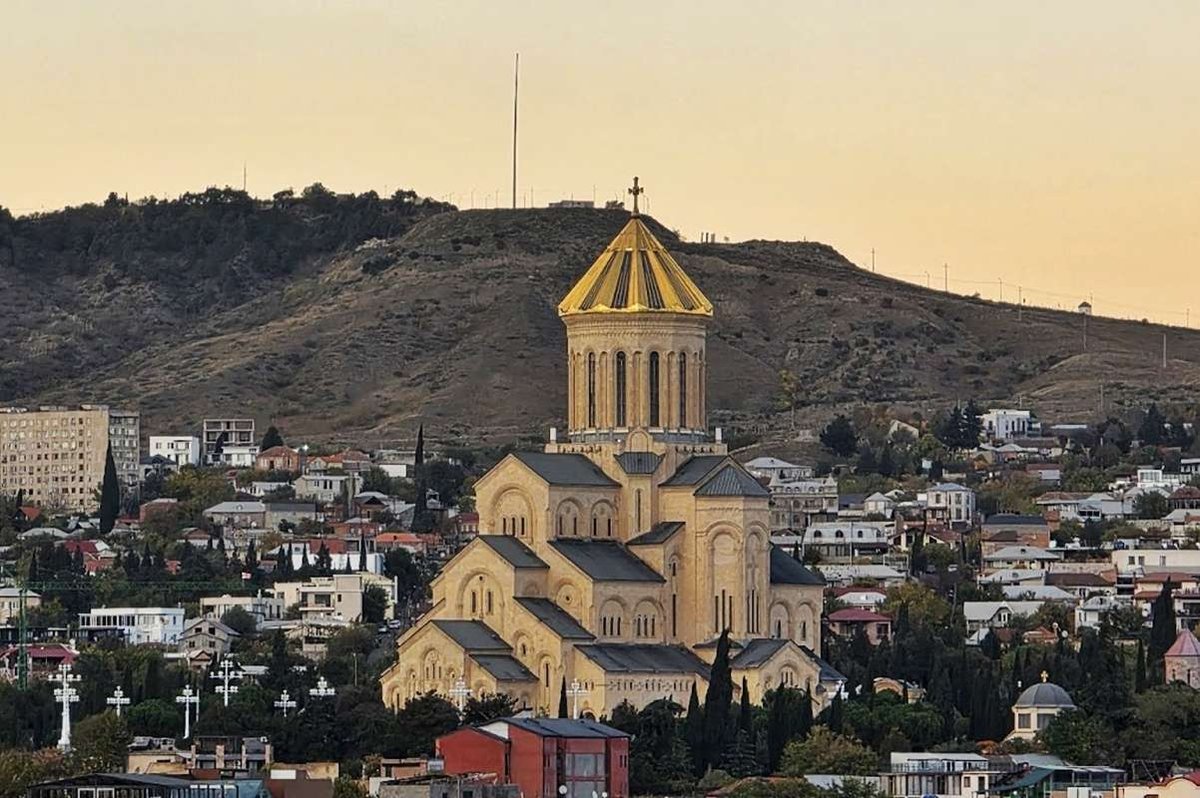
Kvemo Betlemi Church

📖 Why "Betlemi"

Betlemi is the Georgian pronunciation of the word "Bethlehem". The church is named after and modeled on the famous Church of the Nativity in Bethlehem—one of the oldest Christian churches in the world, standing on the site where, according to tradition, Jesus was born.

This is not a random coincidence of names; it is a deliberate reference indicating the spiritual significance of the site.
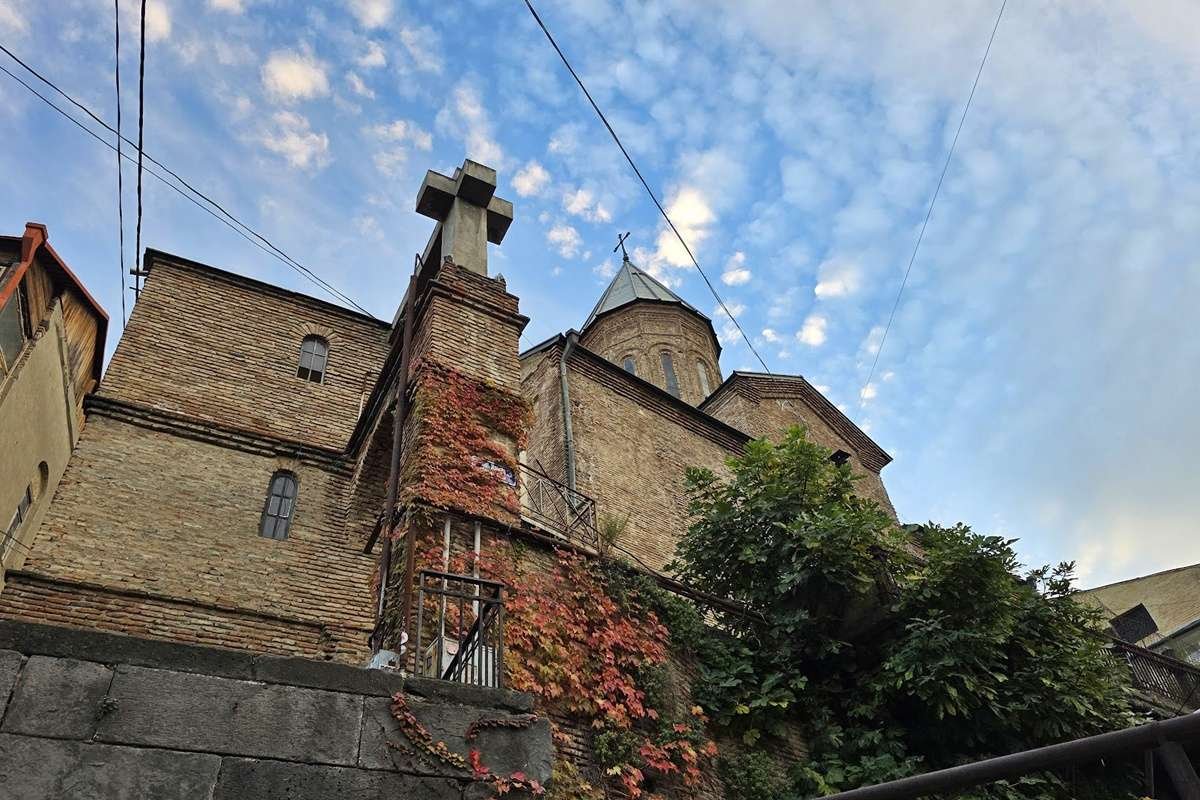
Kvemo Betlemi Church

📜 Six Layers of a Single Location's History

  • Layer One: The Georgian Prayer House. Before a monastery appeared here, the site was occupied by a small prayer house for Orthodox Georgians. Today, part of its apse can still be seen, but most of it is hidden underground.
  • Layer Two: The Armenian Monastery (15th Century). In the 15th century, Tbilisi Armenians founded the Monastery of the Mother of God here and named it "Fetkhain". The Armenian community of Tbilisi was large and influential at the time, and they consecrated this place according to their tradition.
  • Layer Three: Joint Construction (First Half of the 18th Century). In the first half of the 18th century, a new church was erected. And here is what is important: it was built by both nations together—Armenians and Georgians. Betlemi was a sacred place for both communities, and the construction became a shared endeavor. In 1740, a significant financial contribution was made by Prince Givi Amilakhvari, a Georgian public figure and philanthropist. Without his support, the construction would hardly have progressed so quickly.
  • Layer Four: The 1884 Restoration. By 1884, the church was completely restored. The dome and facade we see today are the direct results of that specific restoration.
  • Layer Five: The Soviet Workshop. During the USSR years, religious services ceased. The church building was turned into a production workshop. History is silent on exactly what was manufactured there, but the very fact of this transformation is a typical fate for Georgian and Armenian churches of the Soviet era.
  • Layer Six: The Return (1994). Since 1994, the Upper Betlemi Church of the Nativity of the Savior has officially belonged to the Georgian Orthodox Community. Church services have resumed.
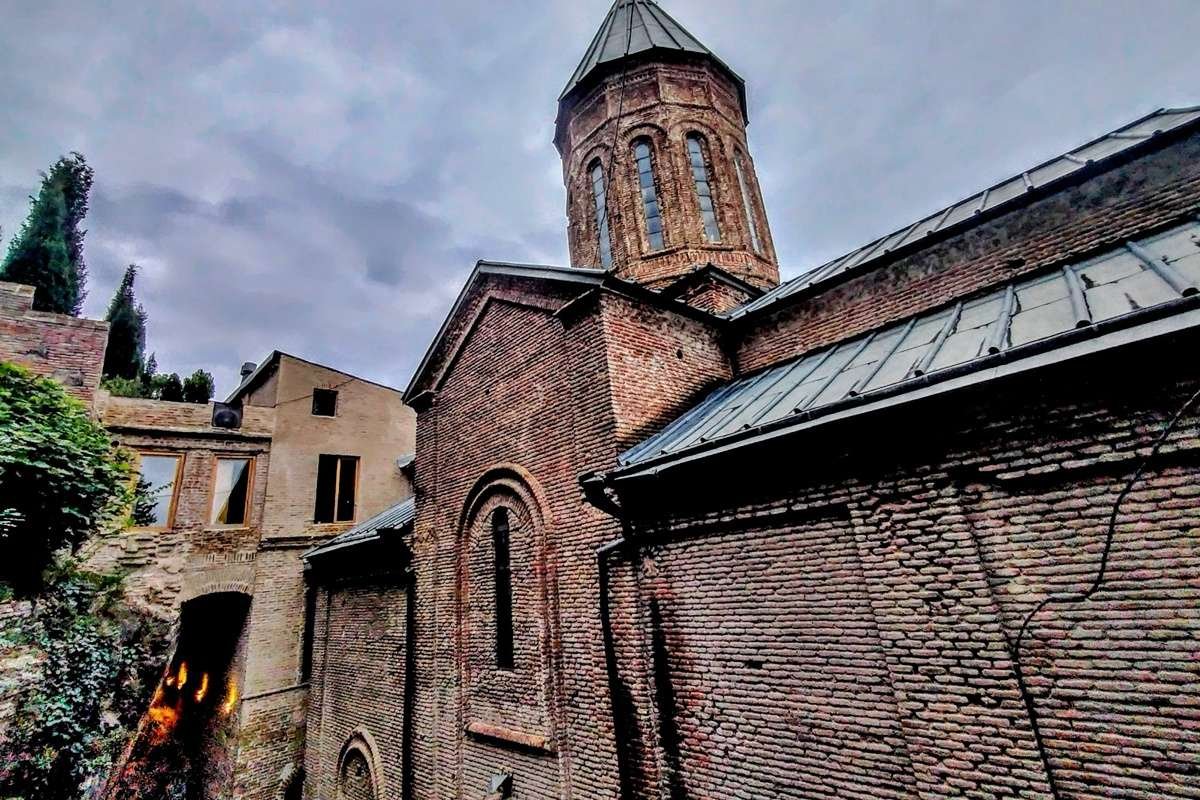
Kvemo Betlemi Church

🏛️ Architecture: What to See

  • The 12-ribbed dome is the main structural feature. The dome rests on the protrusion of the apse and two pillars. The twelve ribs create a distinctive silhouette easily recognized from the outside.
  • The western wing is noticeably elongated and features two additional pillars—an unusual solution for this type of church.
  • Hewn stone slabs cover the dome, as well as the northern and western facades. The windows on the eastern side are decorated with ornaments and crosses.
  • Relief cherubim can be found on the northern wall. The Virgin Mary and a lion are depicted on the dome. These are rare decorative elements that survived despite all the reconstructions.
  • The bell tower, located to the east of the church, dates back to the 17th century. It has three stories: the first two are made of brick, and the third is made of hewn stone, featuring open arches at the top.
✍️ Editorial Tip

The climb up the Betlemi slope offers different views at different heights—take your time. Look back: with every dozen meters, Tbilisi opens up more. The reliefs on the walls (cherubim, Virgin Mary with a lion) are best viewed in the morning when the sun illuminates the northern and eastern facades. Examine the 17th-century bell tower separately; it stands to the east of the main building and often escapes visitors' attention.

🌅 View from the Sololaki Ridge

This is a standalone reason to come here. The church stands on the Sololaki Ridge, a high rocky crest that skirts Old Tbilisi from the south. From this point, a panorama of the city opens up: the domes and roofs of the Old Town, the Mtkvari River, Narikala, and the entire valley stretching to the horizon.

The views change depending on the time of day. On a clear evening, Tbilisi glows with gold.
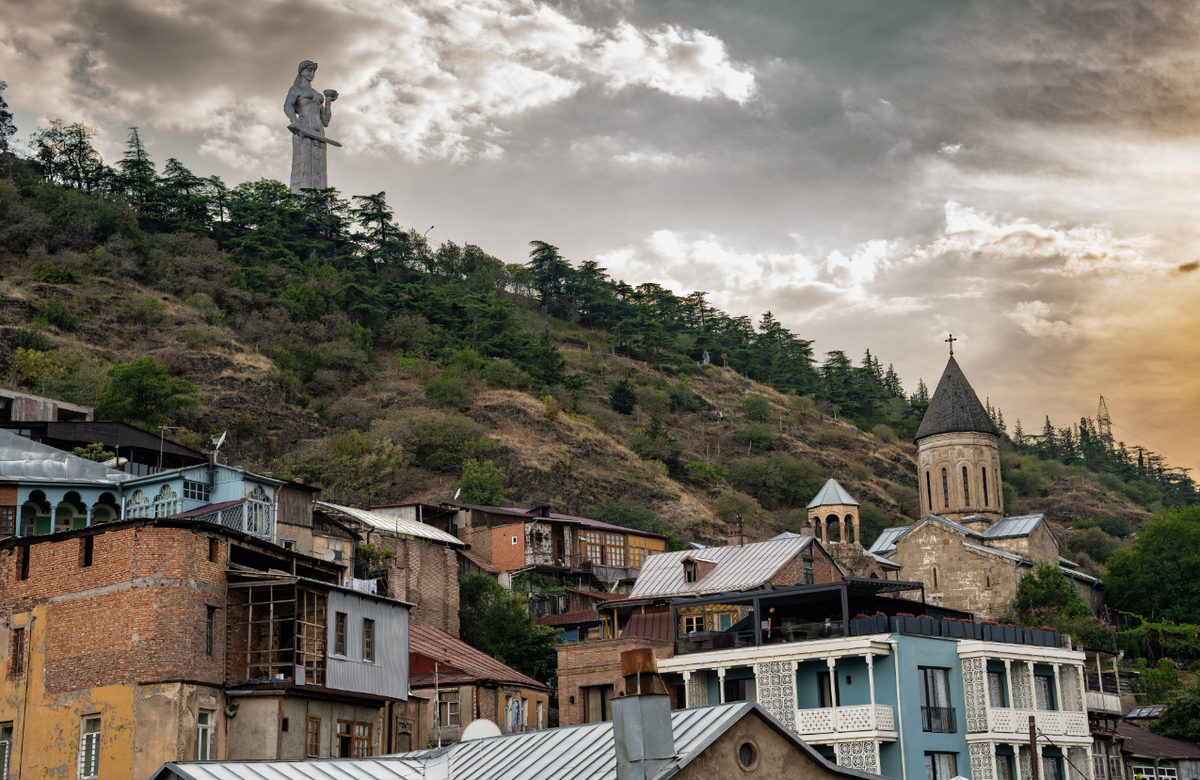
Церковь Квемо Бетлеми

🗺️ How to Get There and Spend Your Time

1️⃣ Find Betlemi Rise—a cobblestone street in Old Tbilisi that climbs up the Sololaki Ridge.

2️⃣ The climb itself is interesting: old houses, rocky outcrops, and gradually opening views. Building No. 18 is the church itself.

3️⃣ From the outside, start with the eastern facade—here you will find windows adorned with crosses and ornaments.

4️⃣ Examine the dome and its 12 ribs, as well as the Virgin Mary and the lion at the top.

5️⃣ Find the relief cherubim on the northern wall.

6️⃣ Walk over to the 17th-century bell tower, which stands separately to the east.

7️⃣ Climb just a little higher along the ridge for a breathtaking panorama of Tbilisi.

💬 What Visitors Say

"The dome structure and ornaments blend so harmoniously into the surrounding landscape. The history of the temple is impressive: from its Armenian roots to the difficult times of the Soviet period. It was especially interesting to learn about the support of Prince Givi Amilakhvari."
"The architecture is of such high quality and so beautiful that you feel like shaking the architect's hand in person—sometimes simple things are just brilliant!"
"Well worth a visit, especially considering its location on the Sololaki Ridge overlooking the city."
"In every stone, in every line of this church, there is a reflection of that very deep and multi-layered history of Georgia. And the views from the Sololaki Ridge are moments when nature itself tells the story of Tbilisi's grandeur."

🏁 Why Go

Betlemi is a church that honestly shows what history can be like. There was not a single simple century here. A Georgian prayer house → an Armenian monastery → a joint construction by two nations → a Georgian patron → restoration → a Soviet workshop → the return. And all of this is packed into a single building on the Sololaki Ridge, featuring a view that is well worth a dedicated trip.


ℹ️ Address: 18 Betlemi Rise. Active church, admission is free. Dress code: modest clothing, women must wear a headscarf. Access on foot from the lower part of Old Tbilisi. Information is current at the time of publication.

🗨️ And Now, the Word Is Yours

Have you been to Betlemi Church? What stood out to you more—the architecture, the shared history of the two nations, the climb up the Sololaki Ridge, or the view of Tbilisi from above? Share your thoughts—we read all comments ❤️

❓ Frequently Asked Questions

🤔 Where is Betlemi Church located in Tbilisi?

💬 At 18 Betlemi Rise, on the Sololaki Ridge in Old Tbilisi. It is reached on foot—a climb from the lower part of the Old Town up a winding, cobblestone street. As a landmark: the street goes uphill parallel to the Abanotubani sulfur baths.

🤔 What does "Betlemi" mean?

💬 "Betlemi" is the Georgian pronunciation of the word "Bethlehem". The church is named and modeled after the Church of the Nativity in Bethlehem—the birthplace of Jesus. This is exactly why its full name is the "Church of the Nativity of the Savior."

🤔 The church used to be Armenian—is that true?

💬 Yes. Since the 15th century, the current site was occupied by the "Fetkhain" Armenian Monastery (of the Mother of God). Later, in the 18th century, a new church was built jointly by the Armenian and Georgian communities. In 1994, the church was officially transferred to the Georgian Orthodox Community.

🤔 Who was Givi Amilakhvari and what is his connection here?

💬 Prince Givi Amilakhvari was a Georgian public figure and philanthropist. In 1740, he made a large financial contribution to the construction of the new church—effectively securing most of the funding. He is one of the few historical figures whose name is directly tied to this location.

🤔 What happened to the church during the Soviet period?

💬 During the Soviet era, religious services were halted, and the building was repurposed as a production workshop. This was a typical fate for many churches of that time. After 1994, the church was returned to believers, and services resumed.

🤔 What is interesting about the church's architecture?

💬 Several remarkable elements. The 12-ribbed dome is a unique engineering feature. Relief cherubim on the northern wall. An image of the Virgin Mary and a lion on the dome. The 17th-century bell tower to the east of the main building features three stories made of different materials. Windows with ornaments and crosses adorn the eastern facade.

🤔 Is the church open to tourists?

💬 Yes, admission is free. It is an active church, so please maintain silence and follow the dress code: modest clothing, and women need a headscarf. There may be movement restrictions inside during religious services.

🤔 Is it worth climbing up just for the view?

💬 Absolutely. The view from the Sololaki Ridge is one of the best in Tbilisi, yet it remains relatively lesser-known. There are significantly fewer tourists here compared to Narikala or the Kartlis Deda statue. The walk up the Betlemi slope itself is an enjoyable journey through Old Tbilisi neighborhoods.

Anastasia Berezhkova
By:

Anastasia Berezhkova

Post: Head of Development Direction

Hello! I am a traveler with a rich experience of living in various parts of the world. For many years, my passion for travel has led me to different destinatio…

Visit author

29 comments


Log in to leave a comment


  • M
    Maria Fernandez
    Nunca imaginé que un lugar tan pequeño pudiera tener una historia tan rica y entrelazada. La Iglesia de la Natividad en Betlemi, con su fusión de culturas, es como un susurro de tiempos pasados que aún resuena en las calles de Tbilisi. Cada rincón, cada piedra, parece contar secretos de comunitarios que han pasado por allí. Me encantó saber que, a pesar de pertenecer a la comunidad ortodoxa georgiana, sus raíces están profundamente arraigadas en la cultura armenia. Eso es lo que hace de este lugar algo especial, ¿no? La mezcla de tradiciones siempre añade un sabor único.

    Sin embargo, no puedo evitar sentirme un poco perdido sobre cómo se vive esto en el día a día de los lugareños. ¿La comunidad local celebra rituales que mezclan ambas herencias?
  • B
    Beatrice Coleman
    The transformation of such a historic Armenian monastery into a Georgian Orthodox church with time is fascinating, especially considering its unique architectural elements and turbulent past.
  • ლ
    ლია-თამარი
    ზუსტად გავიგონებ ამ ტაძრის ფრესკებზე საუბარს, რომლებიც თითქოსდა ნაშთები საუკუნეების მანძილზე ზედმიწევნით ოსტატურად ნაქარგი ორნამენტებით მორთეს.
  • Е
    Екатерина Каменская
    Почему впервые упоминается Гиви Амилахвари в 1740 году, если церковь была основана в XV веке? Есть ли информация о других меценатах или событиях, которые помогли сохранить церковь на протяжении веков?
  • T
    Tamta
    ესე და ვერ ვხვდები, არმენების მიერ დაარსებული ეს მთა ღმერთის დედის მონასტრის ისტორია რატომ გახდა რელიგიურ ცვლილების ნაწილი? რატომ არ აღინიშნა მისი ადგილი უფრო დეტალურად?
  • k
    katya4do4hko
    Посетив церковь Рождества Спасителя в Верхнем Бетлеми, я была поражена её архитектурой. Купольная структура и орнаменты так гармонично вписываются в окружающий ландшафт. История храма впечатляет: от его армянских корней до сложных времен советского периода. Особенно интересно было узнать о поддержке князя Гиви Амилахвари. Всегда интересно видеть, как такие места меняют свою роль в обществе с течением времени.
  • N
    Natasha Harris
    Is there any information on the current state of the church's interior? I'm curious if any of the original elements remained after its restoration in 1884 or after the Soviet period.
  • T
    Tad Hill
    The Church of the Nativity of the Savior in Upper Betlemi is an impressive sight in Tbilisi. Its history is fascinating, starting as an Armenian monastery in the 15th century and transitioning to a Georgian Orthodox church in 1994. I was particularly intrigued by the architectural blend of its brick foundation and the decorative ornaments and crosses. The restoration in 1884 really stands out, especially the facade and dome. It's strange to think it was once used as a production facility during the Soviet times. The combination of history and architecture makes it a must-visit place.
  • შ
    შოანი
    ამ ადგილას ვყოფილვარ და ყოველთვის მახარებს მისი სილამაზე და მნიშვნელობა. არქიტექტურამ და ორნამენტებმა უცხო და ძველი დროების სუნთქვა მომაწვდინა. გამორჩეულია თავისი ისტორიით და გადაფურცვლის მომენტებით, განსაკუთრებით იმ დროს, როდესაც სასახლეს სხვა დანიშნულება ჰქონდა. დიდი პატივია, რომ ეს ნაგებობა ისევ აღადგინეს და დღესდღეობით ქართული მართლმადიდებლური თემის ნაწილად ითვლება.
  • К
    Константин Шалаев
    Интересно было узнать о прошлом церкви в Верхнем Бетлеми, особенно о её армянских корнях и превращении в грузинскую православную общину. Впечатляет, что здание сумело выстоять различные исторические испытания, включая советский период, и сохранить свою уникальную архитектуру.
  • I
    Imelda Radclyffe
    The Church of the Nativity of the Savior offers such a unique historical journey. Its transformation from an Armenian monastery in the 15th century to a Georgian Orthodox church is fascinating. The fact that it was once a production site during the Soviet era is surprising. The architecture, with its dome and intricate ornaments, is breathtaking against Tbilisi's landscape. I found the blend of different historical influences truly engaging.
  • Н
    Нина Родионова
    Интересно узнать, как церковь, пройдя столь сложный путь от армянского монастыря до советского производственного цеха, сохранила свой исторический облик и стал частью культурного наследия Грузии.
  • რ
    რუსუდან ბასილაია
    რატომ გამოიყენებოდა ეს ეკლესია საბჭოთა პერიოდში როგორც საწარმოო სამრეწველოა? ისტორიული შენობების შენახვა ხომ უფრო მნიშვნელოვანი არ იქნებოდა?
  • b
    borISKoltsov1986
    Интересно, как церковь восстанавливалась в 1884 году и какие материалы использовались для фасада и купола? Также хотелось бы узнать больше о её функциях в советский период — насколько лояльно было отношение властей к таким архитектурным объектам?
  • i
    ianiron
    The transformation of the Upper Betlemi Church from an Armenian monastery to a Georgian Orthodox church reflects the area's rich cultural history, and I'd love to know more about its architectural features from the 1884 restoration.
  • S
    Saba
    უკეთესი იქნებოდა, რომ სტატიაში ცალკე იხსენებოდეს, როგორ ხვდება ღვთისმშობლის მონასტერი ამქვეყნად როგორც ეკლესია. გარდა ამისა, საინტერესოა, რომ ამ ადგილზე ისტორიის განმავლობაში ნაკლებად არის ხსენებული რესტავრაციის პროცესები და მათი მნიშვნელობა. აღსანიშნავია, რომ მრავალი წლების შემდეგ, ტაძარი კვლავ ახლებურად დაგვისახა თავისი სიდიდითა და სილამაზით.
  • T
    Tam
    Did the church undergo any significant changes in its architectural style when it was restored in 1884? And how did the Soviet usage as a factory impact the original structure and design?
  • В
    Владимир Духов
    Поражает, как история и архитектура способны переплестись в этом храме. Интересно, что церковь когда-то была армянской, а теперь принадлежит Грузинскому Православию. Жаль, конечно, что в советские времена она использовалась не по назначению. Хорошо, что восстановили фасад и купол к 1884 году, теперь есть на что посмотреть. Стоит посетить, особенно учитывая расположение на Сололакском хребте с видом на город.
  • И
    Игорь
    История Бетлеми — это как виток старого, увековеченного временем скрипа, который рассказывает о мире, когда две культуры — армянская и грузинская — переплетались так тесно, что создавали что-то большее, чем просто здание. Церковь Рождества Спасителя, на самом деле, не просто архитектурный памятник — это связующая нить между народами, их религиозной историей и духовной жизнью. А виды с Сололакского хребта — это уже другая история, когда природа сама рассказывает о величии Тбилиси. В каждом камне, в каждой линии этой церкви есть отражение той самой глубокой и многослойной истории Грузии.
  • Б
    Борис Карпович
    Как часто проводятся службы в этой церкви сейчас, и открыта ли она для посещений туристов?
  • E
    Elvina
    Церковь Рождества Спасителя в Бетлеми – одно из тех мест, где история Грузии и Армении переплетается особенно ярко. Этот древний храм не просто памятник архитектуры, а символ духовного наследия двух народов. Атмосфера здесь особенная: старинные каменные стены, величественный купол и потрясающий вид на Тбилиси с Сололакского хребта. Место, где можно почувствовать дыхание времени и силу веры.
  • G
    G_elel
    Мне показалось, что Церковь Рождества Спасителя в Бетлеми — это не просто храм, а настоящее свидетельство переплетения историй двух народов, грузинского и армянского. Расположенная на Сололакском хребте, она открывает захватывающий вид на Тбилиси и становится важным местом для паломников и туристов. История этого храма полна значимых событий, от армянского монастыря до того, как церковь перешла в собственность Грузинской Православной общины в 1994 году. Архитектура здания впечатляет своей величественностью и деталями, особенно купол с 12 ребрами и украшения, которые придают храму особую атмосферу.
  • v
    viktoriadosmetova
    Фото восхищает!
    Много же перемен прожила Церковь Рождества Спасителя в Бетлеми. Радует, что это прекрасное место продолжает свою жизнь и по сей день.
    Какая архитектура, какие цвета, очень и очень красиво.
  • Е
    Елена
    Древний Храм на Сололакском хребте — Церковь Рождества Спасителя в Бетлеми — это священное место, где переплелись истории двух народов: грузинского и армянского. Изначально армянская, с 1994 года церковь принадлежит Грузинской Православной общине. Для меня это место особенно значимо, так как оно символизирует культурное и духовное единство, а также богатую историю региона.
  • А
    Аделина
    Эта церковь, посвященная Рождеству Спасителя, расположенная в Верхнем Бетлеми, просто великолепна! Ее архитектура и декорации несомненно впечатляют своей красотой и величием. Наверняка, это место является настоящим духовным убежищем для верующих и притягивает множество паломников и туристов. Надеюсь, что в будущем у меня будет возможность посетить это великолепное святилище и насладиться его атмосферой мира и благодати.
  • y
    yshorts0.078
    Захватывающий взглядом монументальный фасад Церкви Рождества Спасителя Верхнего Бетлеми, я почувствовала себя невероятно маленькой перед этим величественным сооружением. Величие и роскошь церкви переполнили меня чувством благоговения и трепета. Внутри я ощутила неповторимую атмосферу покоя и духовности. Росписи на стенах церкви создавали ощущение, будто я проникла в исторический эпос древней Грузии. Каждая деталь архитектуры, каждый иконописный образ окутаны загадочностью и тайной. Подлинная вера и душевное единение охватывают каждого, кто ступает на порог этого святого места. Церковь Рождества Спасителя Верхнего Бетлеми - это истинное духовное убежище, в котором можно найти умиротворение и восстановить связь с высшими силами.
  • g
    gjfroksit228
    Очень красивое и завораживающее место, от подобных старинных построек веет могуществом, осознавая как раньше было сложно строить. Церковь Рождества Спасителя является не исключением, сама церковь имеет необычную архитектуру, чем завлекает к себе туристов, но оно и понятно, ведь в Грузии много старинных построек и большинство туристов едут туда ради них
  • k
    klimovadominika47
    Влада, да, в Грузии очень много монастырей и церквей. И все они по-разному красивы и интересны. Можно найти много информации о разных монастырях. В Грузии очень понравилась история "Церкви Рождества Спасителя Верхнего Бетлеми". Очень интересна архитектура! Спасибо за познавательную статью. Буду читать побольше. Об этом! ) Супер статья!
  • В
    Влада
    Хоть в Грузии достаточно много монастырей и церквей, в Тбилиси таких "ДОСТОЙНЫХ" строений очень мало, но церковь "Рождества Спасителя Верхнего Бетлеми" действительно хороша. Особенно в ней мне нравится её архитектура, она настолько качественная и красивая, что хочется лично пожать руку архитектуру, иногда простое - такое гениальное!