




Gandagana: Adjarian Harvest Festival and Dance
Gandagana is not just a word, but an entire world that has absorbed the richness of nature and the depth of the cultural traditions of Adjara. For some, it is a dance embodying the grace and lightness of human movement; for others, it is a harvest festival filled with joy and gratitude for the generosity of the land. But why does one name unite such different phenomena? How did the dance become part of the festival, and the festival a reflection of the dance? In this article, we will dive into the history, culture, and symbolism of Gandagana to understand what makes it so unique for Adjara and all of Georgia.
@nekrashevich100 Хороший и добрый праздник урожая для всех. 23 ноября 2024 года.
♬ оригинальный звук - Александр Некрашевич
Gandagana as a Symbol of Adjarian Culture
Gandagana is a vivid example of how traditions, nature, and art can merge into one whole to tell the story of an entire region. In Adjara, where nature blesses the land with fertility and culture is permeated with centuries-old customs, Gandagana has become a kind of hallmark. This symbol reflects respect for the land and its gifts, the joy of creativity, and the continuity of the connection between generations.
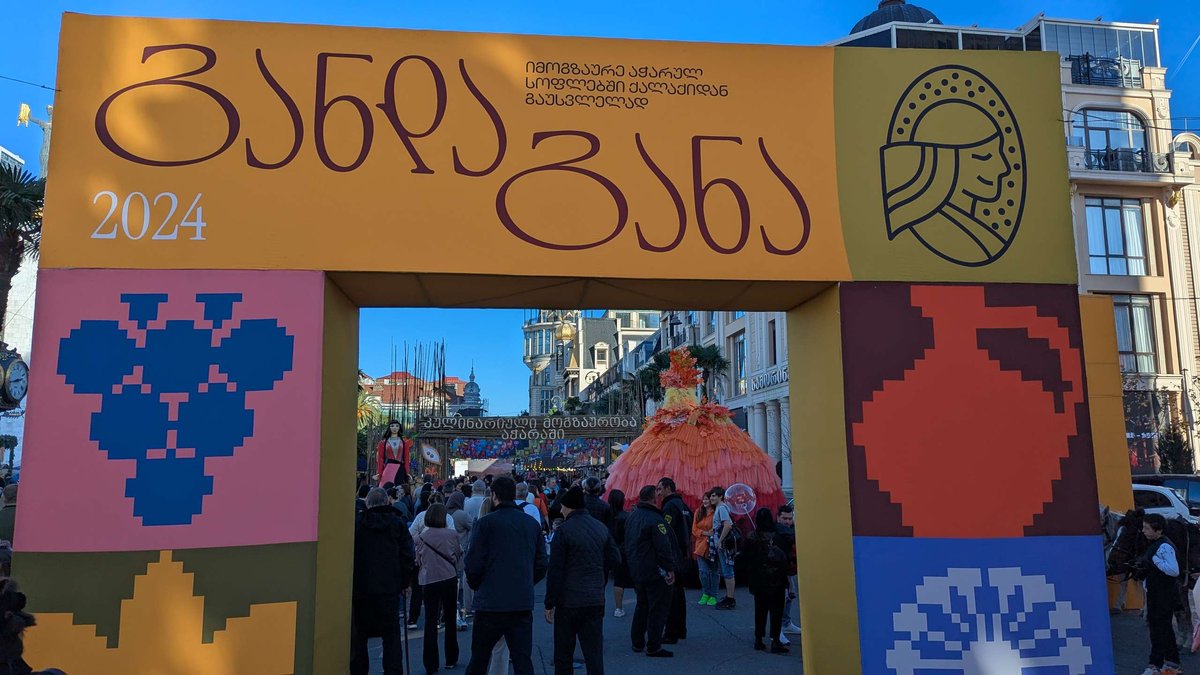
Why do the dance and the festival have the same name?
The name “Gandagana” carries deep symbolism, uniting the festival and the dance into a single concept.
- Shared meaning of the word: The name, derived from the word “gani” (width/breadth), reflects abundance and richness—both in the harvest and in the emotional palette of the dance.
- Historical connection: Rural festivals were always accompanied by dances that expressed gratitude for the harvest and the joy of life. Over time, the Gandagana dance became an inseparable part of these celebrations, strengthening the association between them.
- Emotional parallel: Just as the dance symbolizes lightness, freedom, and harmony, the festival embodies gratitude and the generosity of nature. This fusion made the name universal for both traditions.
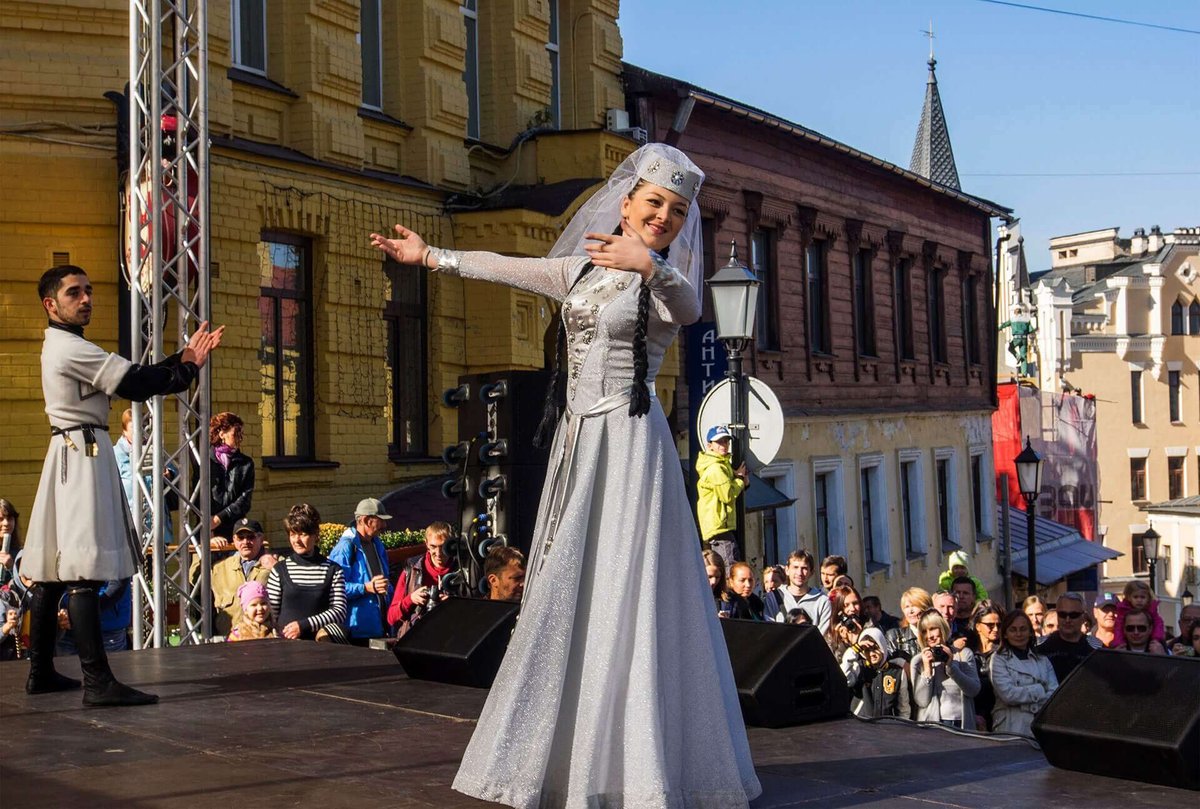
The significance of the Gandagana festival and dance for modern Georgia
Today, Gandagana is not just a festival or a dance—it is a bridge between the past and the present, a living reminder of how important roots and traditions are.
- For Adjara: It is a way to showcase the region’s rich culture, attract tourists, and convey the spirit of hospitality.
- For all of Georgia: Gandagana has become a symbol of national identity, uniting the country’s people around a shared pride in their heritage.
- International recognition: The dance and the festival show the world the uniqueness of Georgian culture, inspiring both audiences and performers.
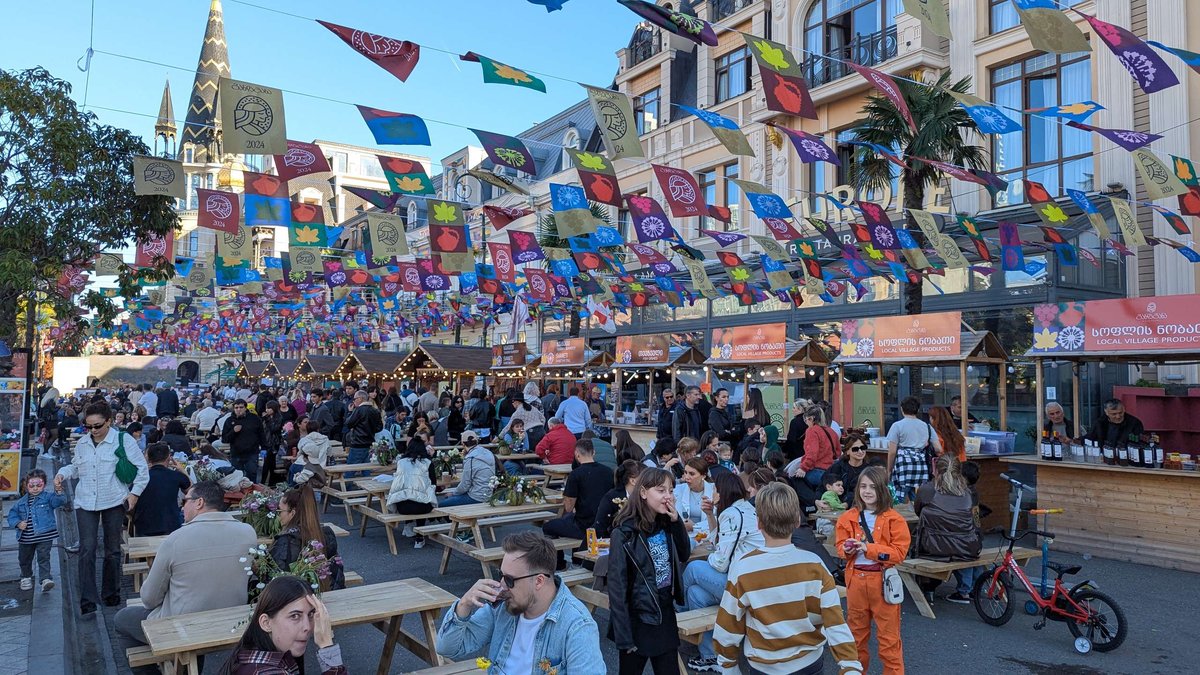
History and Origin
How the Gandagana Harvest Festival Began
The Gandagana festival is a deep reflection of rural life in Adjara, where people since ancient times have expressed gratitude for the harvest through bright and joyful traditions. Its origin is connected to the natural rhythm of life: the cycle of changing seasons, care for the land, and its fruits. Gandagana became a festival that unites families, neighbors, and entire villages in a celebration that glorifies abundance and labor.
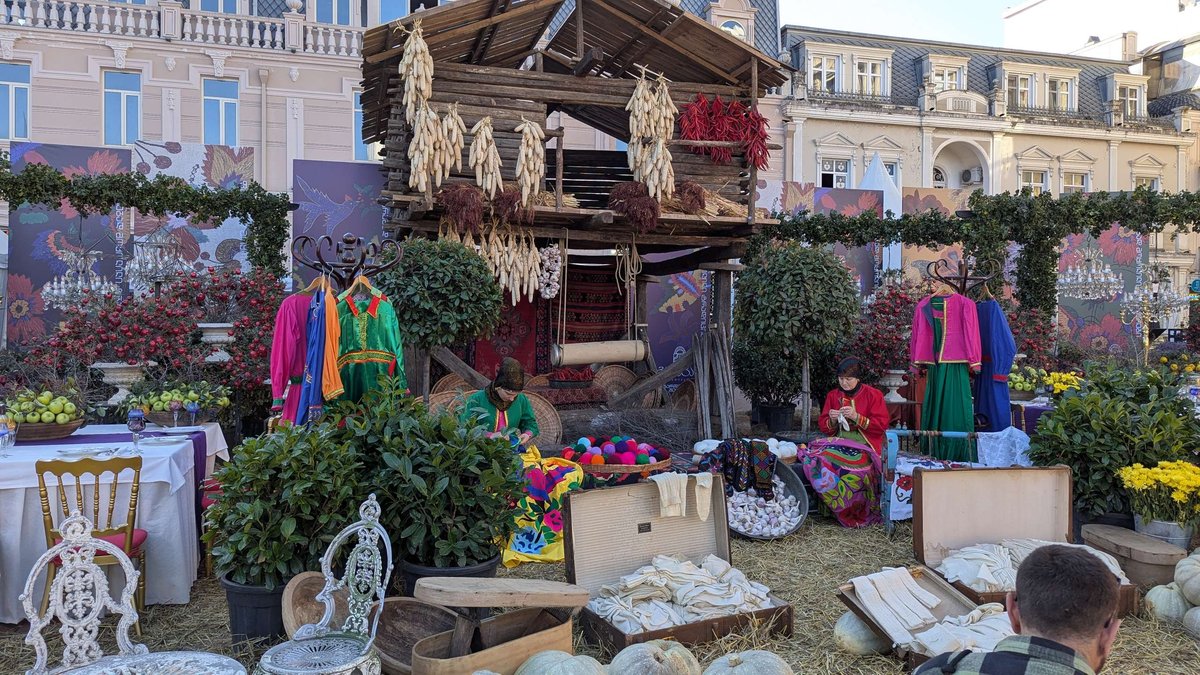
Historical roots: rural life and Ottoman influence
- Rural life: Adjara has long been an agricultural region. The lives of local residents depended on a successful harvest, which made agriculture a key element of their culture. After the fieldwork was completed, celebrations were held where people thanked nature, shared their successes, and performed dances symbolizing the joy of completed labor.
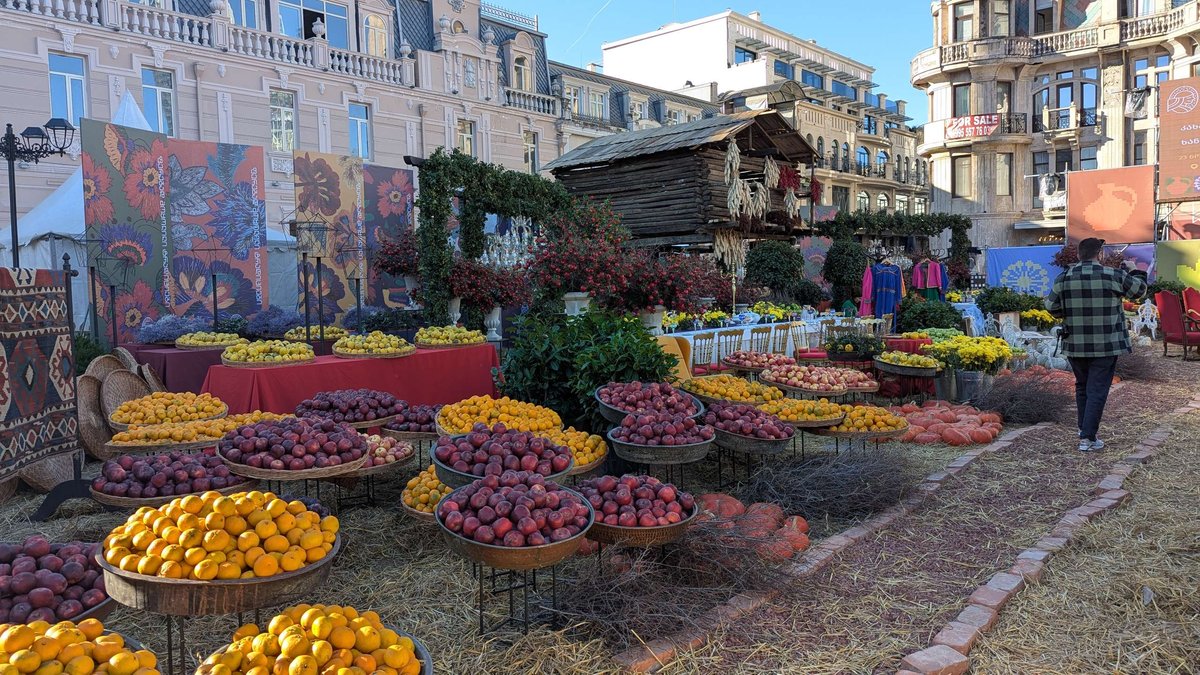
- Ottoman influence: In the 16th–19th centuries, Adjara was under the influence of the Ottoman Empire, which was reflected in its cultural traditions. Festivals began to absorb elements of Turkish folklore, blending them with Georgian customs. Dances, costumes, and musical elements acquired new features, which added uniqueness to the celebration. Gandagana, as part of this cultural fusion, absorbed both Georgian soulfulness and Eastern refinement.
The role of harvesting in the lives of Adjarans
For the people of Adjara, the harvest was not only a labor-intensive process but also a moment that determined their well-being for the coming year.
- Completion of the cycle: The celebration of Gandagana symbolized the completion of the annual cycle of agricultural work. It was not only a time of rest, but also a reason to be proud of one’s labor.
- Gratitude to nature: Through songs, dances, and ritual actions, people expressed gratitude to the land for its gifts. Beliefs in the fertility of the land and reverence for nature became the foundation of the festival.
- Community unity: Gandagana has always been an event that united people. Neighbors gathered together to share the harvest, arrange feasts, and rejoice together in everyone’s achievements.
This festival became part of Adjara’s cultural identity, and its atmosphere a living reminder that connection with nature and traditions makes life harmonious and complete.
History of the Adjarian dance Gandagana
How the Gandagana dance appeared and why it became part of cultural heritage
The Gandagana dance originated as a reflection of the life, emotions, and traditions of the people of Adjara. Unlike other Georgian dances, it combines not only elegance but also an element of lightness and playfulness, which makes it unique.
- Connection with the life of the region: The dance emerged in rural communities, where music and movement were a way to express joy after hard work, especially during harvest festivals.
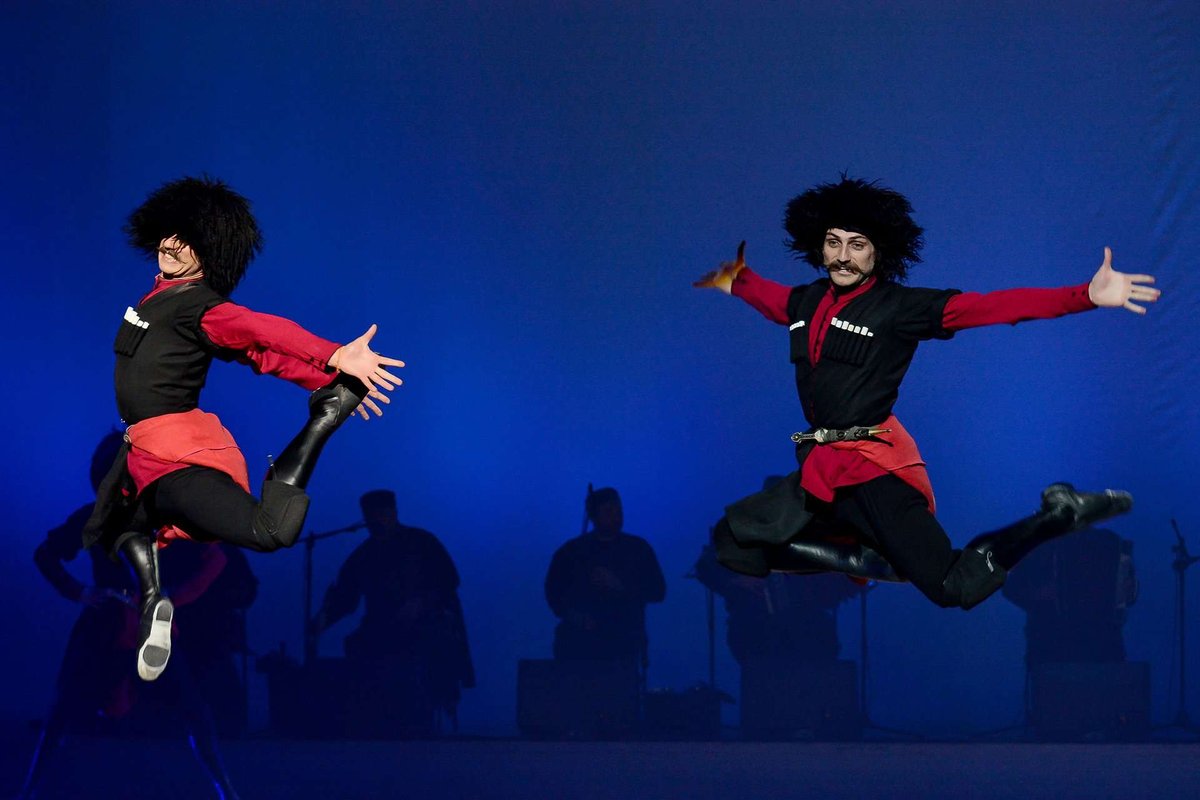
- Dance as a language of communication: Through dance movements, men and women showed respect to one another, grace, strength, and inner freedom. The lightness of the women’s movements symbolized their airiness, while the confident steps of the men emphasized their masculinity.
- National recognition: Over time, the dance became an inseparable part of Adjarian cultural events, and thanks to the efforts of local ensembles, it gained the status of Georgia’s cultural heritage. Gandagana is not just a dance, but a living art passed down from generation to generation.
The influence of local customs and Ottoman tradition
- Local customs:
At the core of the Gandagana dance are the traditional rituals of Adjara, where interaction between men and women held special importance. In the dance, this is expressed through smooth and graceful female movements contrasted with energetic and strong male ones. - Ottoman influence:
During the period when Adjara was under the rule of the Ottoman Empire, Eastern cultural elements penetrated local art. This was reflected in: - Music: The use of Eastern melodies and rhythms in the dance’s musical accompaniment.
- Costumes: Women began to wear outfits inspired by Eastern style, such as headwear and belts, which add color and character to the dance.
- Choreography: The fluidity and grace of women’s movements, with an emphasis on communication through dance elements.
Why Gandagana retains its significance today
The dance has become an important symbol of Adjarian identity and pride. It unites the past and the present, showing how traditions can be preserved and adapted to modern life. Today, Gandagana is not just a folkloric element, but also a tool that helps present the rich culture of Adjara on the world stage
Common features of the dance and the festival
At first glance, it may seem that the Gandagana dance and festival are two completely different phenomena. However, if we look deeper, their close interweaving becomes obvious. Both symbolize joy, gratitude, and harmony born from the connection between people, nature, and one another. The Gandagana dance became an inseparable part of the harvest festival, while the name itself unites the meanings of abundance and breadth. To understand how these elements are combined, it is important to explore their shared symbolism and origin.
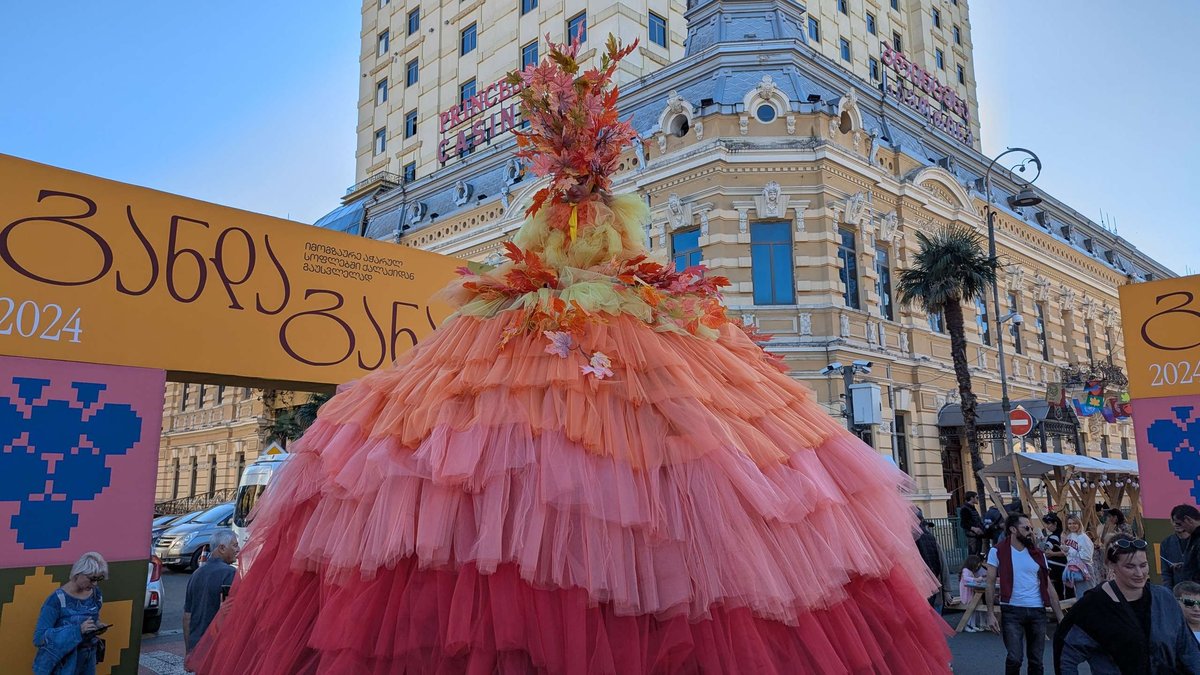
The meaning of the name "Gandagana": a connection to abundance and abundance
The name "Gandagana" (Georgian: განდაგანა) reflects not only the physical action but also the spiritual content that unites celebration and dance.
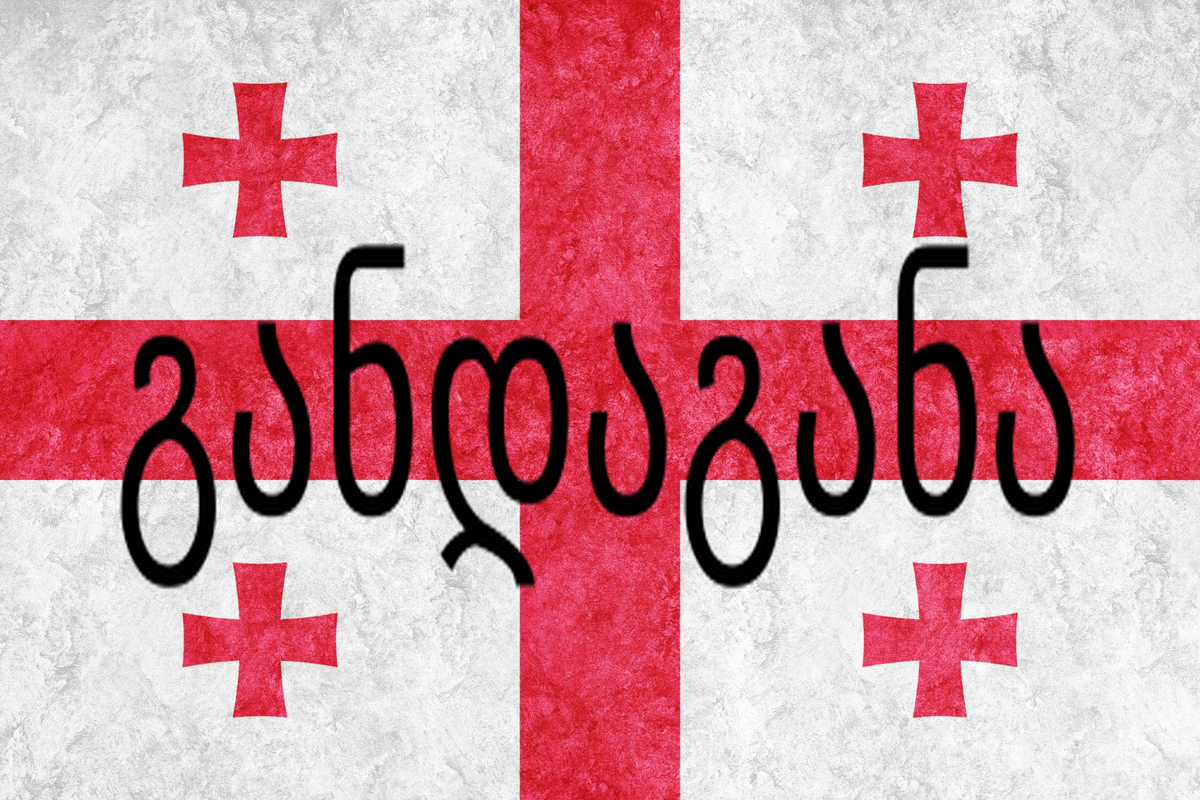
- Connection with abundance: In translation from Georgian, the word “gani” (განი) is associated with breadth, richness, and fullness. This symbolizes the abundance of the harvest granted by nature and the richness of emotions conveyed through the dance.
- Breadth in the dance: The Gandagana dance is filled with smooth, broad movements that visually express lightness, space, and freedom.
- Breadth in the festival: The Gandagana festival symbolizes the abundance of the land’s gifts and the hospitality of the people of Adjara, who are ready to share this abundance with others.
How the dance became part of the harvest celebration
The Gandagana dance was originally performed during rural festivities dedicated to the completion of fieldwork.
- Rural roots: After the harvest, people held festivities where dances played a central role, helping express joy and gratitude for a prosperous year.
- Symbolism of movements: In the dance, every detail had meaning: the smooth movements of women symbolized care for the land, while the energetic steps of men emphasized the strength and labor invested in gathering the harvest.
- Cultural fusion: Over time, the dance became an integral part of the celebration, combining choreography with music and other elements of folklore. Now it is performed both at the harvest festival and at separate cultural events.
Symbolism of the dance and festival: joy, gratitude, unity
Gandagana, whether as a dance or a festival, carries a powerful symbolic meaning that unites people and nature.
- Joy: The dance and the festival convey sincere joy of life, gratitude for labor and its fruits. Smiles, music, and movements create a festive atmosphere.
- Gratitude: In every movement of the dance and every ritual of the festival, one can feel respect for the land that granted the harvest and for the labor that made it possible.
- Unity: Gandagana brings generations, families, and communities closer together. At the festival, people gather together, and in the dance, partners express respect and harmony between a man and a woman.
Gandagana is a vivid example of how traditions can combine the material and the spiritual, transforming an ordinary harvest into a true act of art and joy.
The Gandagana dance: art and mastery
The Gandagana dance is not just a performance, but a true cultural masterpiece that embodies the spirit of Adjara. In every movement there is grace, strength, and harmony, reflecting the interaction between nature, people, and traditions. Choreography, music, and costumes together create a unique atmosphere, thanks to which the dance remains a living symbol of Georgian culture. Let us take a closer look at what makes this dance so unique.
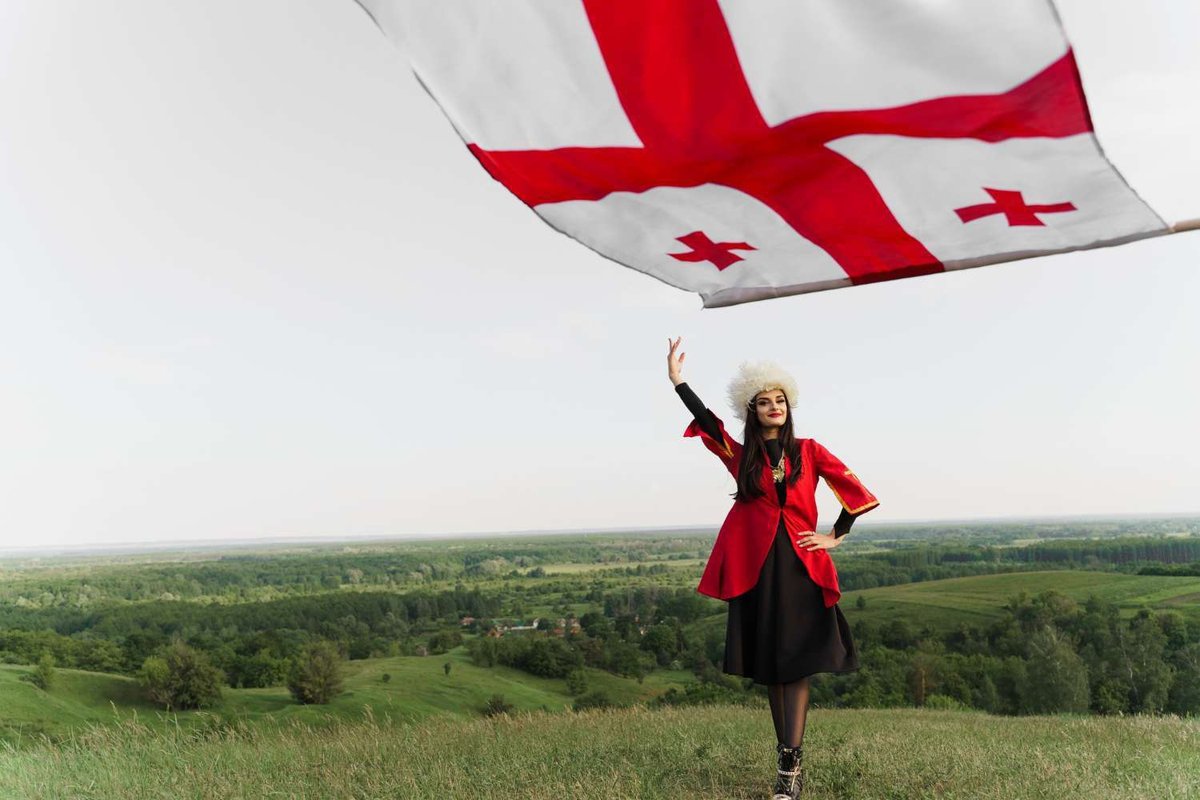
Features of the choreography
The Gandagana dance is not just a dance composition, but an entire story conveyed through movement. Its choreography reflects harmony and interaction between men and women, where every detail is filled with symbolism.
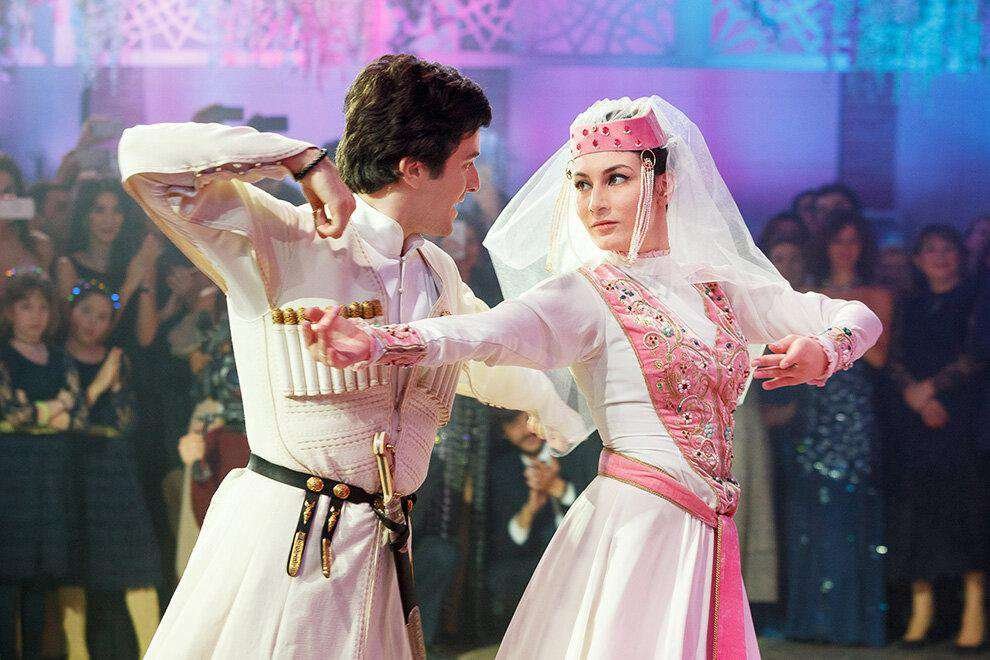
- Lightness and grace of women’s movements:
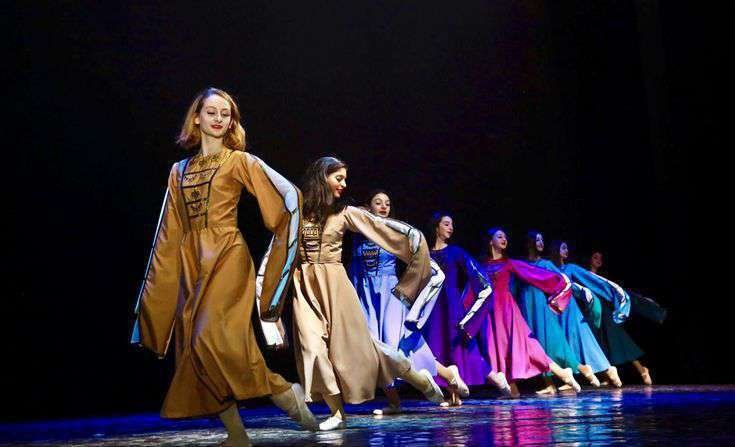
In the Gandagana dance, women move smoothly and gracefully, symbolizing lightness, airiness, and natural beauty. Their steps are soft and almost floating, creating the impression that they barely touch the ground. This grace emphasizes femininity and the inner strength hidden behind their tenderness. - Masculinity and confidence in the male manner of performance:
Men in the dance demonstrate strength and confidence. Their movements are sharper and more energetic, with an emphasis on powerful steps, stances, and dynamic turns. This highlights their role as protectors and creators. The contrast between the smoothness of the women’s movements and the energy of the men creates perfect harmony.
Musical accompaniment: instruments and rhythms
Music in the Gandagana dance plays a key role, setting the rhythm and emotional depth.
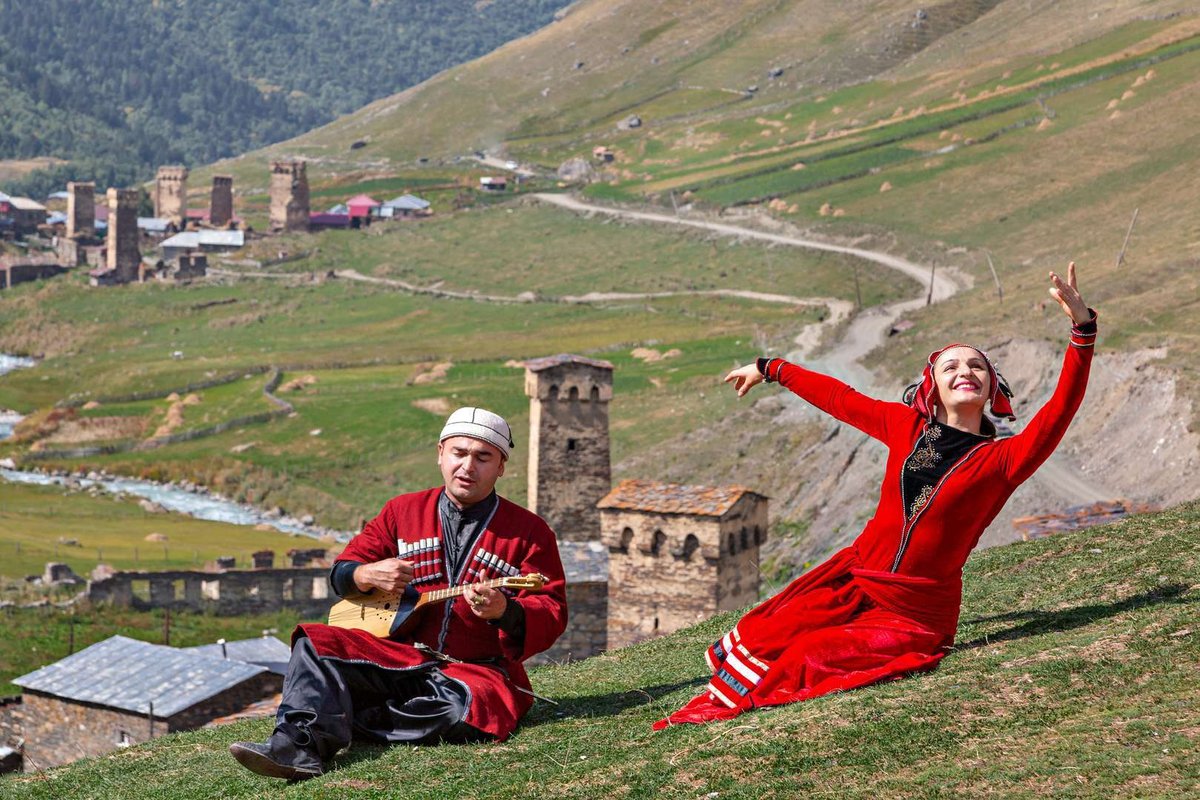
- Traditional instruments: The music is performed on instruments such as the chonguri (a string instrument), duduk (a wind instrument), and drums, which set the basic rhythm. Sometimes the panduri is added to enhance the melody.
- Rhythmic diversity: The musical accompaniment alternates between calm and dynamic passages, reflecting changes in mood in the dance. At first, the music is slow, creating an atmosphere of anticipation, but then it speeds up, adding energy and drive.
Dance costumes: colors, details, symbolism
The costumes of the Gandagana dance are an important element that helps convey its mood and symbolism.
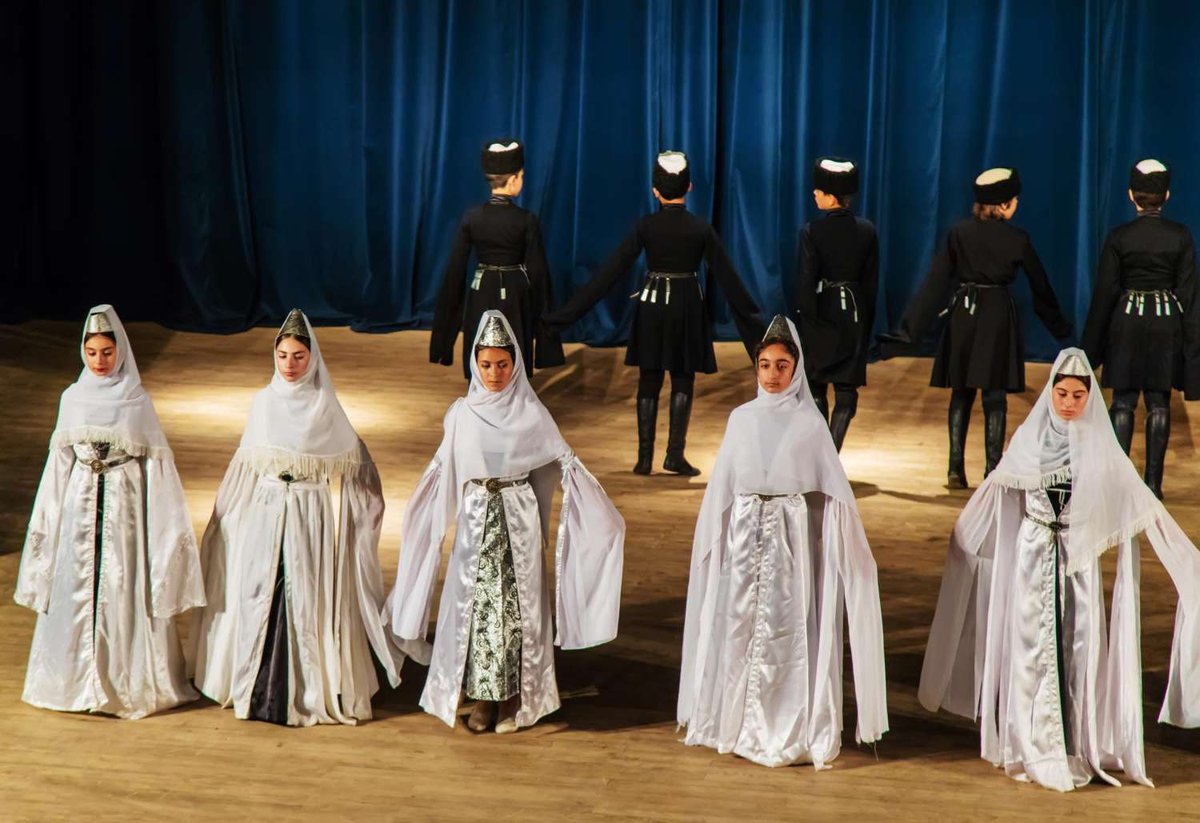
- Women’s costumes:
The main colors of the costumes are delicate shades of white, pink, or blue, emphasizing femininity and lightness.
The look is complemented by headwear—kabalakhi—which adds elegance and makes movements more expressive.
Long dresses with full skirts emphasize the smoothness of movements.
- Men’s costumes:
Rich colors dominate—black, red, or dark green—symbolizing strength and masculinity.
The look is complemented by belts and accessories that emphasize the dancer’s confidence.
Special attention is given to footwear, which allows for sharp and energetic movements.
- Symbolism of the costumes:
The colors of the costumes embody the contrast between natural harmony (soft shades) and strength of spirit (deep colors). Every element of the costume—whether a belt or a pattern on the fabric—has historical and cultural significance.

The Gandagana dance is an art form that tells the story of the region through movement, music, and imagery, conveys emotions, and unites generations. It continues to inspire admiration with its depth and mastery of performance.
How the Gandagana festival takes place
The Gandagana festival is a true celebration of life that unites the traditions, art, and natural generosity of Adjara. It allows people to feel the atmosphere of rural hospitality, enjoy the flavors of local cuisine, and immerse themselves in the bright colors of the autumn season. Every year, the festival attracts residents and guests of the region, turning an ordinary harvest into a grand celebration. Let us take a closer look at how this unique festival takes place.
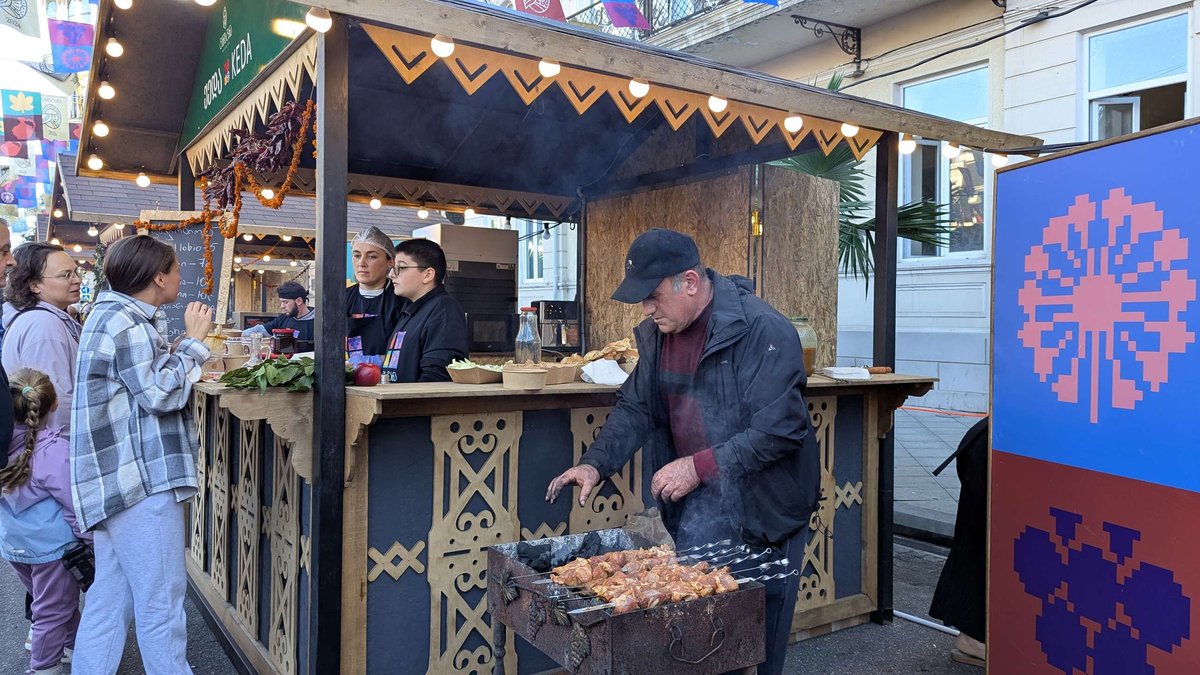
Time and place of the festival
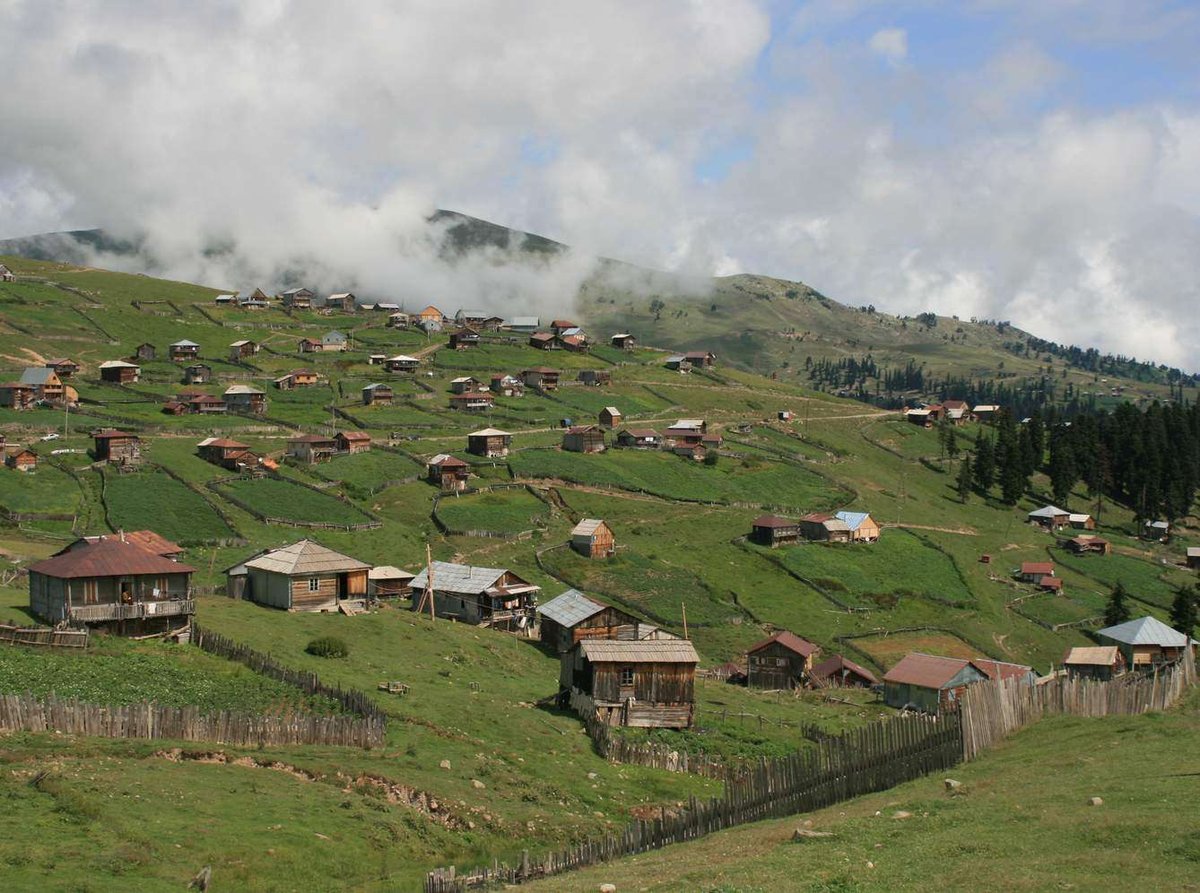
The Gandagana festival is held annually in autumn, when the harvest season is coming to an end. The exact dates may vary, but it is usually in October or November—a time when nature in Adjara is especially striking with its autumn colors. The venue also varies: the festival may take place both in Batumi and in the picturesque villages of the region to emphasize its connection with nature and traditions.
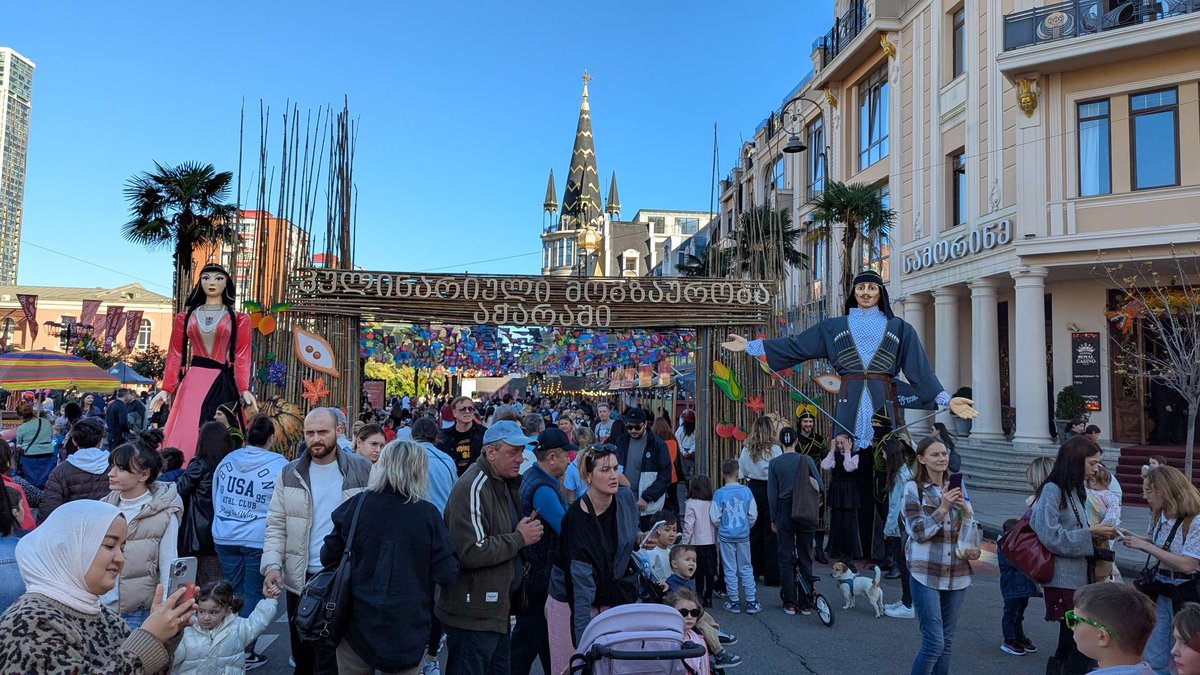
Main elements of the festival
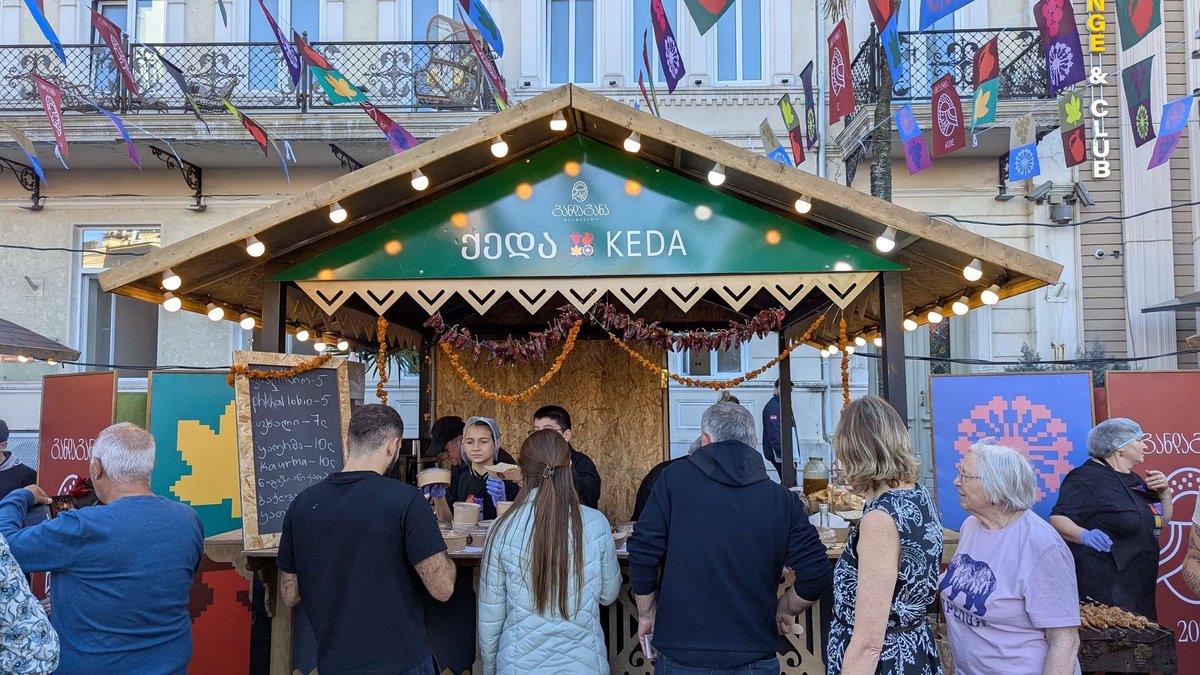
Local products fair
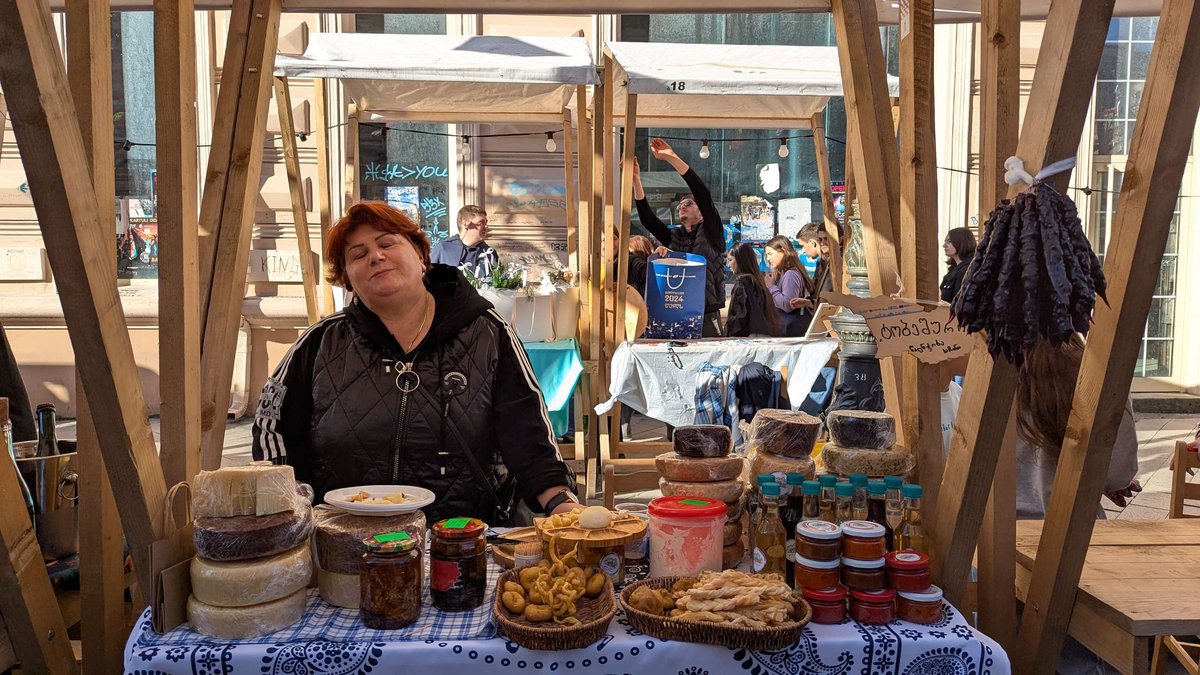
At the center of the festival is a fair where farmers and artisans present the results of their work. Here you can see:
- Fresh fruits, vegetables, and nuts grown on the fertile land of Adjara.
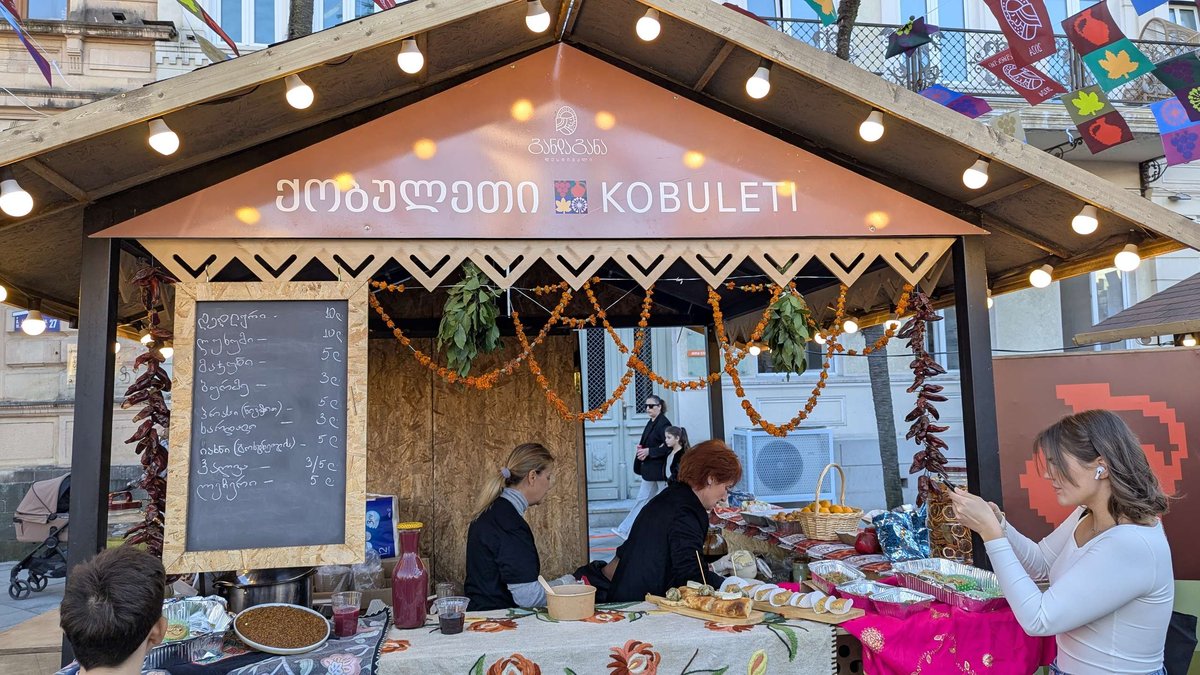
- Homemade honey, cheeses, churchkhela and Adjarian bread baked according to traditional recipes.
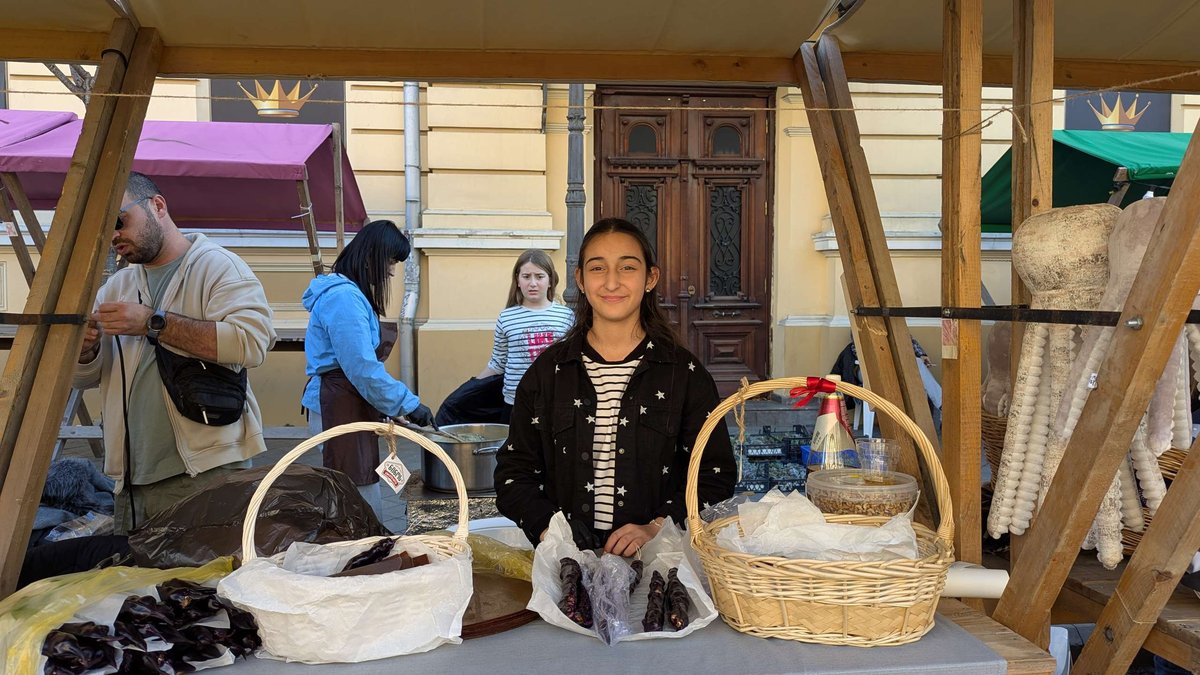
- Local wine and chacha, proudly presented by the region's winemakers.
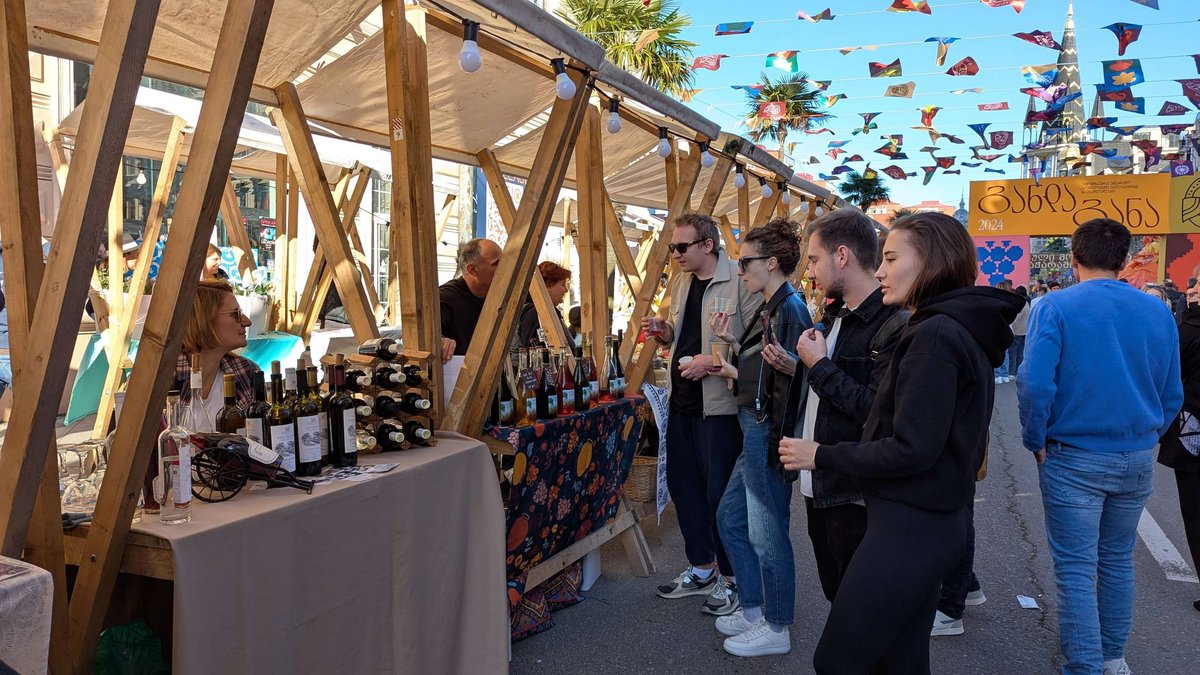
The fair becomes a place where guests can not only taste but also purchase products to take a piece of Adjara with them.
Folklore performances, including the Gandagana dance
The culmination of the festival is musical and dance performances. The Gandagana dance is performed by the best ensembles, creating the atmosphere of a true celebration.
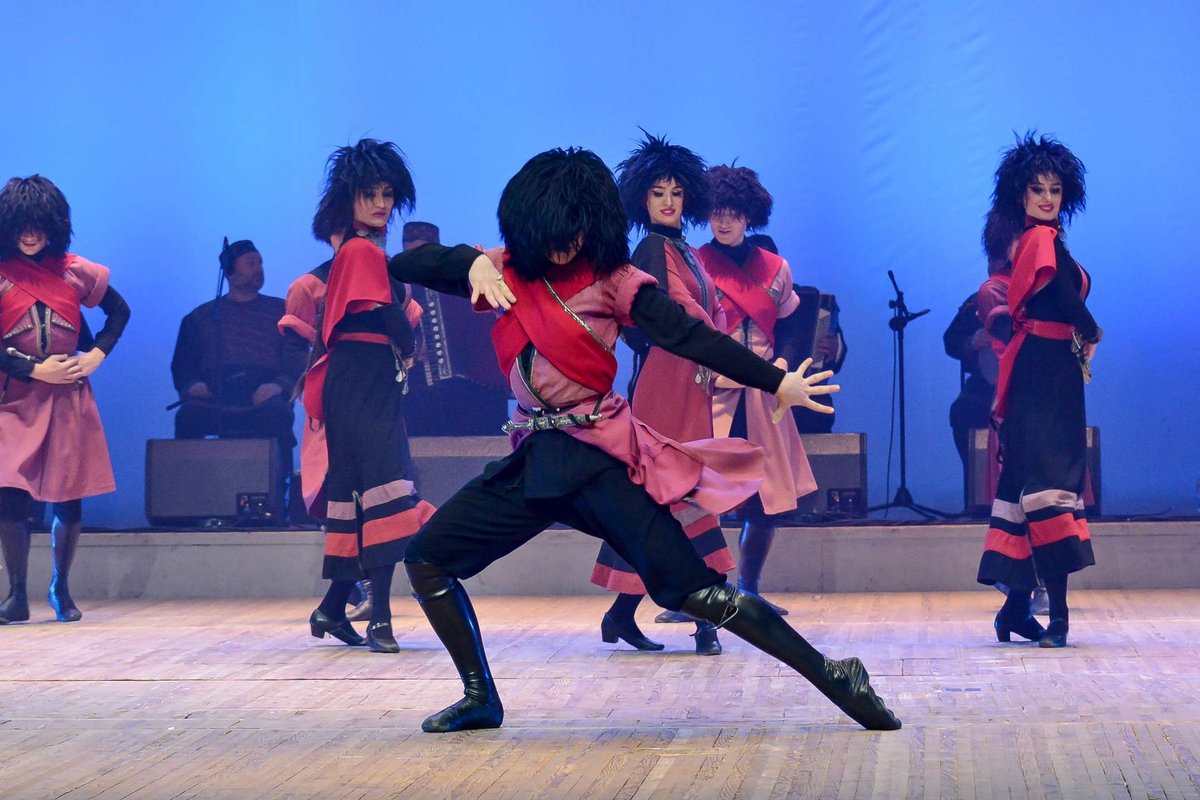
- In addition to dancing, folk songs performed by choirs are heard on stage, and musical groups play traditional instruments.
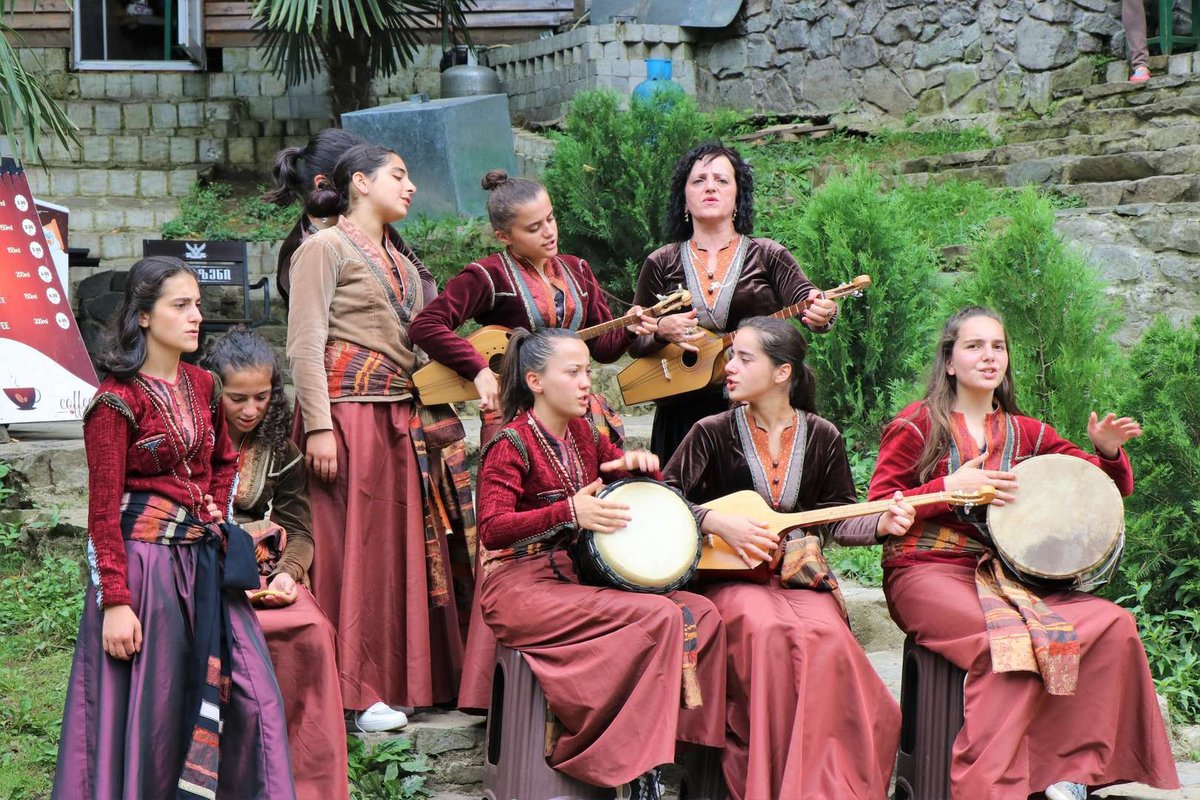
- The performances are accompanied by stories about the meaning of each dance or song, which helps the audience immerse themselves in the culture of the region.
Craft workshops and traditional treats
For guests, workshops are held where they can:
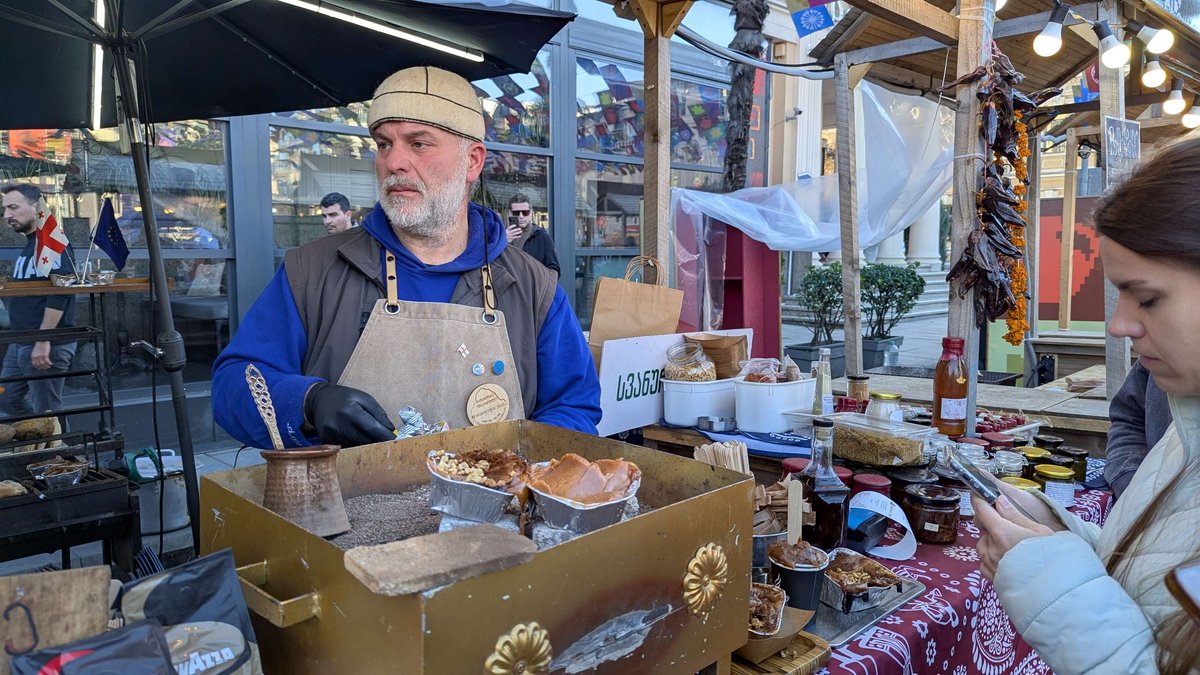
- Learn the secrets of making churchkhela or shaping khinkali.
- Try themselves in weaving, ceramics, or wood carving.
- Appraise the richness of Georgian cuisine by taking part in tastings of traditional dishes.
Such activities help not only entertain guests, but also pass ancient knowledge on to new generations.
The role of local residents and tourists in the event
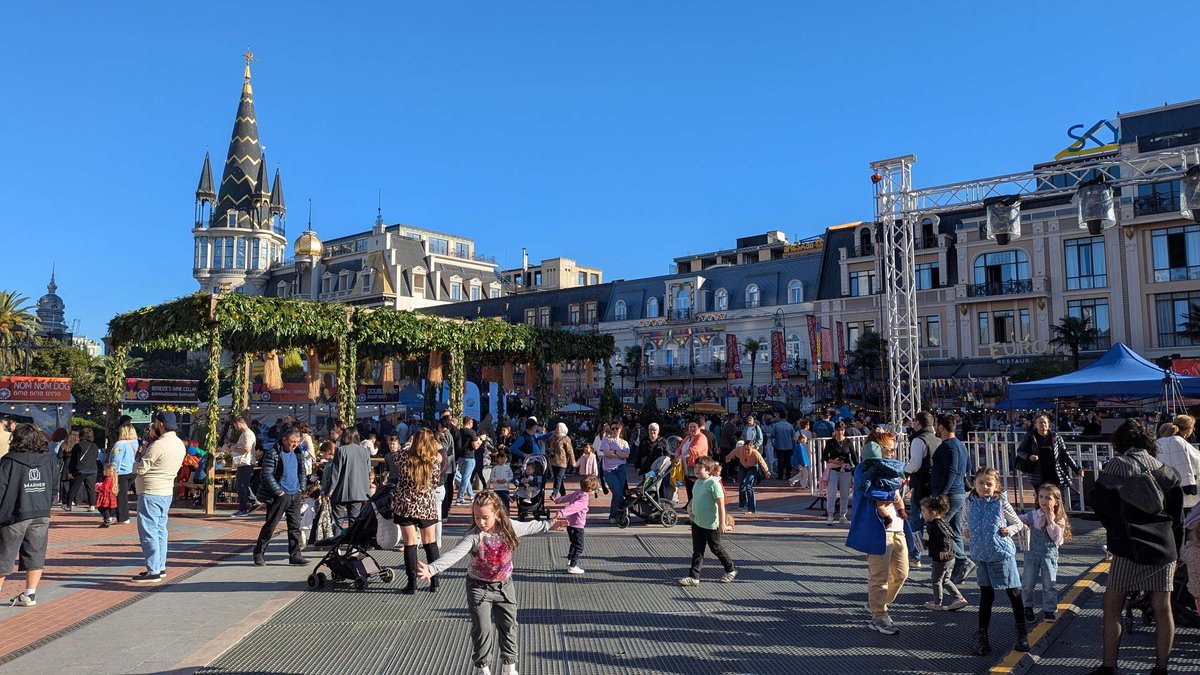
The Gandagana festival is an event that brings together local residents and guests from different parts of the world.
- Local residents:
For Adjarians, this is an opportunity to show their traditions, demonstrate hospitality, and share the fruits of their labor. Many take part in organizing the celebration, perform on stage, or lead workshops. - Tourists:
For guests, this is a chance to experience authentic culture, enjoy the beauty of nature, and taste traditional dishes. Tourists are not just observers, but also active participants in the festival, which makes their impressions vivid and memorable.
The Gandagana festival is more than just a festival. It is a place where history comes alive, people unite, and every participant can feel like part of something greater—the unique culture of Adjara.
Connection between past and present
Gandagana is a bridge between generations that helps preserve ancient customs despite modern changes.
How Gandagana preserves traditions
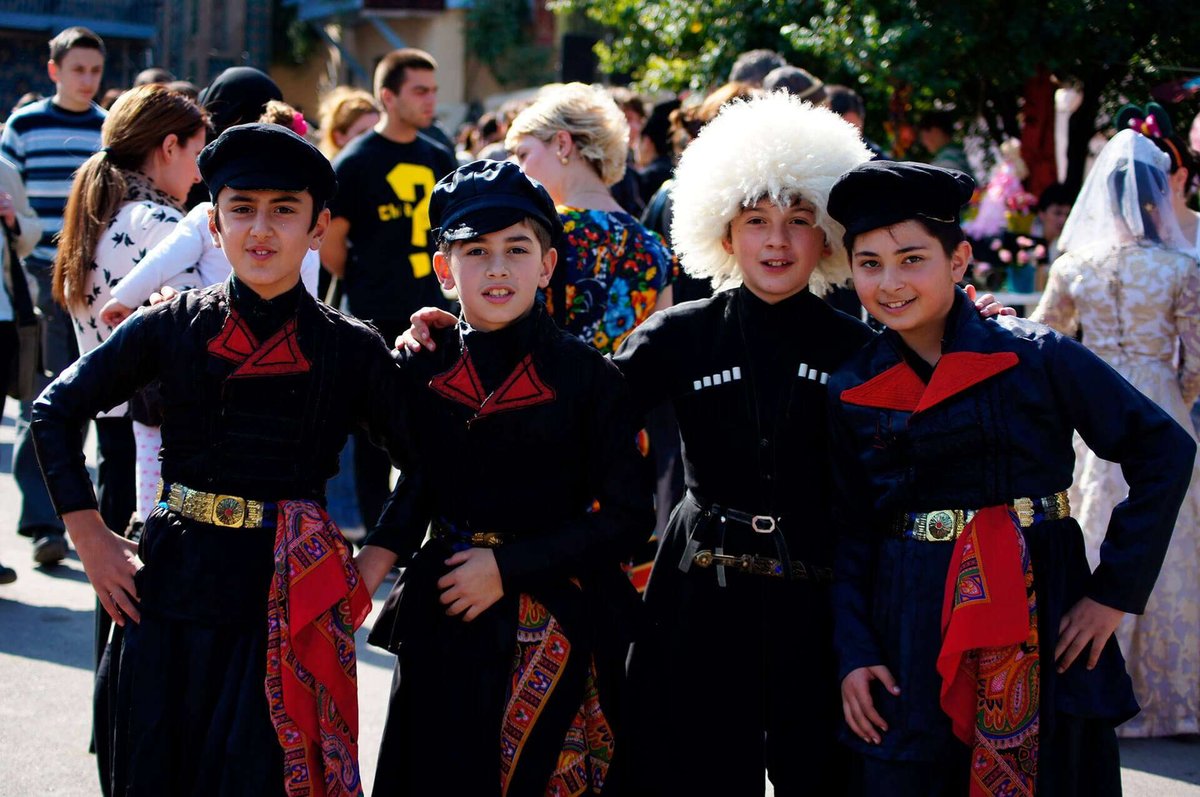
- Transfer of knowledge: The dance and the festival are an inseparable part of Adjarian culture. Choreography masters, farmers, and artisans pass their skills and knowledge on to the next generation, preserving the uniqueness of traditions.
- Elements of the past: In the dance choreography, musical motifs, and elements of the festival, details have been preserved that were an important part of the life of Adjara’s residents for centuries. For example, dancers’ costumes include elements characteristic of traditional Ottoman and Georgian styles.
- Modern adaptation: Although the festival and dance adapt to modern times, they preserve their foundation: gratitude to the land, respect for nature, and the joy of unity.
Youth participation in the dance and festival
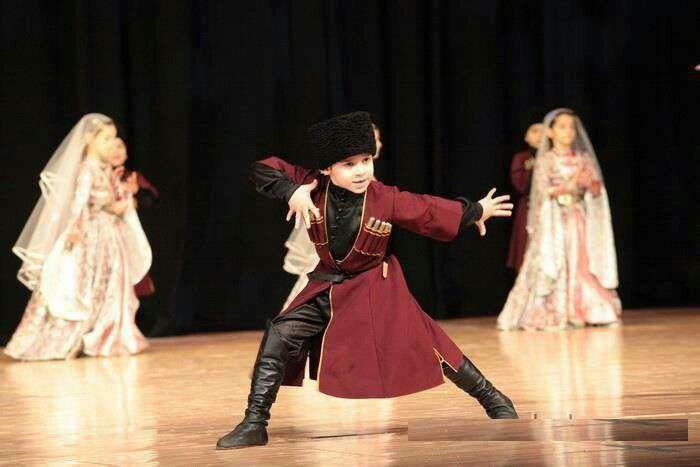
Young people play a key role in preserving and developing the traditions of Gandagana.
- Learning the dance: In schools and ensembles, choreographers teach children and teenagers the Gandagana dance, helping them understand and feel its cultural significance.
- Participation in the festival: Young people actively participate in organizing the festival, from preparing events to performing on stage. This gives them the opportunity to feel their connection to the culture.
- New energy: The modern generation brings fresh ideas to the dance and festival—for example, creating new musical arrangements or combining traditional elements with modern ones. This helps make traditions closer to young people.
International recognition of the dance and festival as cultural heritage
International recognition of the dance and festival as cultural heritage

Gandagana has become not only a regional treasure, but also a source of pride for all of Georgia.
- The festival as a tourist brand: The celebration attracts tourists from all over the world, giving them the opportunity to get acquainted with the unique culture of Adjara. Thanks to this, the festival becomes an instrument of cultural diplomacy.
- Dance on the world stage: The Gandagana dance is regularly performed by Georgian ensembles at international festivals, demonstrating the beauty and uniqueness of Adjarian culture.
- UNESCO recognition: Georgian traditional dances, including elements of Gandagana, are included in the UNESCO list of intangible cultural heritage, which emphasizes their importance for the world’s cultural heritage.
The connection between past and present in Gandagana is an example of how ancient customs can be preserved while also developing them. This festival and dance continue to inspire new generations, uniting people around the rich history and culture of Adjara.
Personal participation: how to become part of Gandagana
Gandagana is not only a festival that can be observed from the sidelines, but also a unique opportunity for everyone to become part of it. Here, guests are not just spectators, but active participants: from dance workshops to immersion in craft traditions. Do you want to learn to dance Gandagana or try making churchkhela? Or maybe just enjoy performances in the theater? This section explains exactly how you can immerse yourself in the atmosphere of this vibrant cultural event.
How tourists can attend the festival: dates, locations, and tips
Visiting the Gandagana festival is a unique opportunity to experience the culture of Adjara and become part of its vibrant celebration. Here is what is important to know:
- Dates: The festival takes place in autumn, most often in October or November. Exact dates are announced annually, so it is recommended to follow announcements on the official websites of tourism organizations or on social media.
- Venues:
The main events usually take place in Batumi — the cultural capital of the region.
However, some events may be organized in the villages of Adjara, allowing guests to enjoy the authentic atmosphere of rural life. - Tips for tourists:
Book accommodation in advance, especially if you are planning a trip during the high tourist season.
Be prepared for active participation: dances, tastings, workshops — all of this requires energy and openness.
Try local dishes and products, especially those presented at the fair — this is a unique chance to taste food prepared according to traditional recipes.
Opportunity to participate in dance workshops
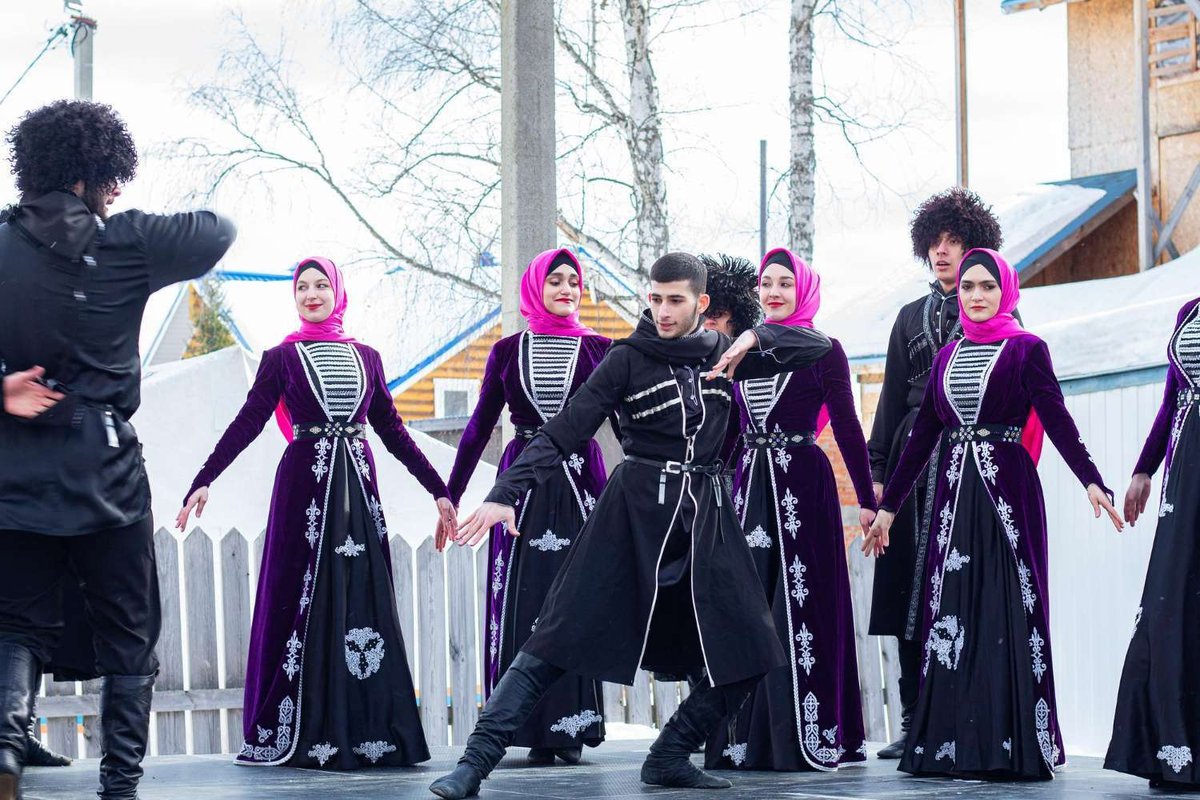
The Gandagana festival offers visitors not only the chance to watch, but also to actively participate in cultural events.
- Dance workshops:
Many dance groups organize training sessions for everyone interested.
Under the guidance of professional choreographers, you will be able to master the basic movements of the Gandagana dance, feel its rhythm, and learn to express emotions through dance.
The workshops are suitable both for beginners and for those who already have dance experience.
- Other activities: In addition to dancing, at the festival you can try your hand at traditional crafts such as weaving or making churchkhela.
Where to see the Gandagana dance in everyday life
If you did not manage to attend the festival, that is not a reason to give up getting acquainted with the Gandagana dance. It can also be seen in the everyday life of the region:
- Theaters and cultural centers:
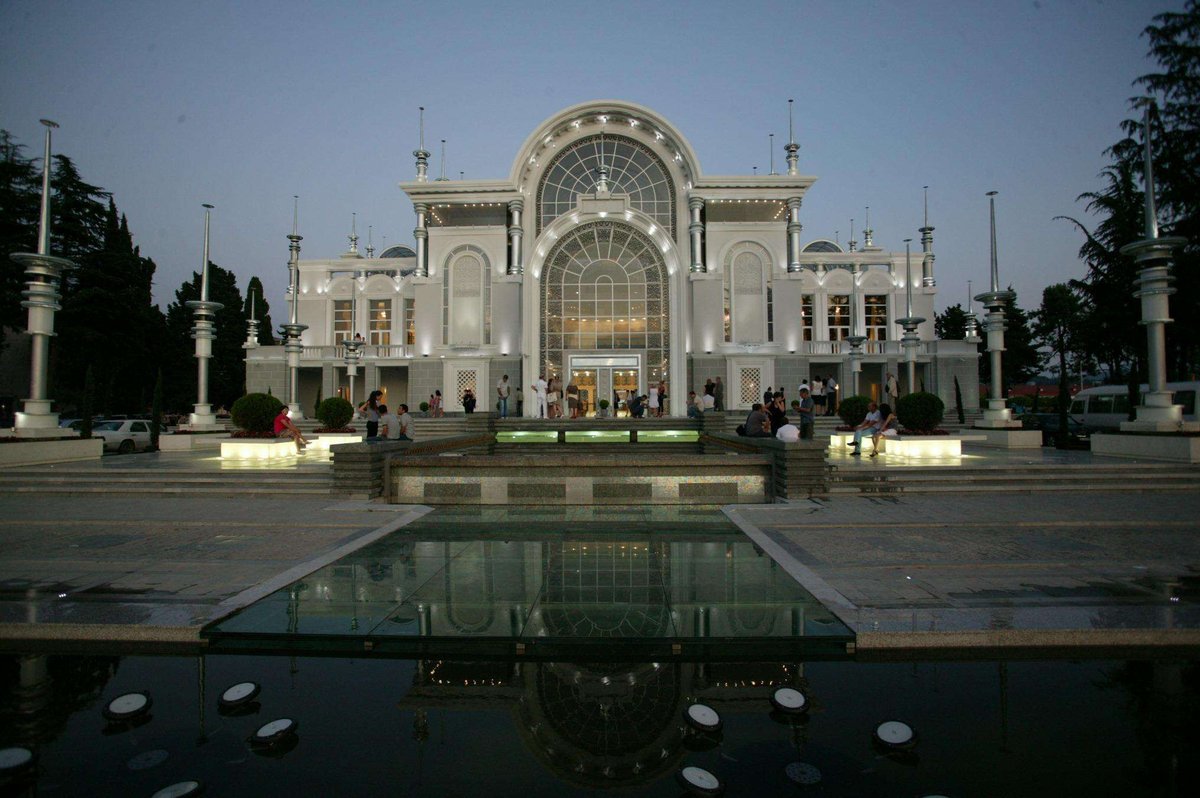
- In Batumi and other major cities of Georgia, performances by local ensembles are held regularly, where the Gandagana dance is an important part of the program.
- Visit the Batumi State Opera and Ballet Theatre or folklore concerts, which are often organized for tourists.
- Ensembles and show programs:
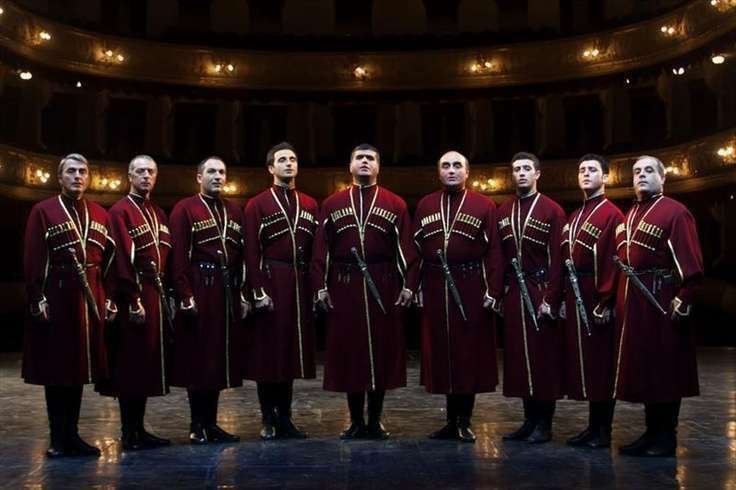
- Ensembles such as “Batumi” and “Rustavi” often include Gandagana in their performances. Their concerts take place both in Georgia and abroad.
- You can find out the schedule through travel agencies or the cultural centers of the region.
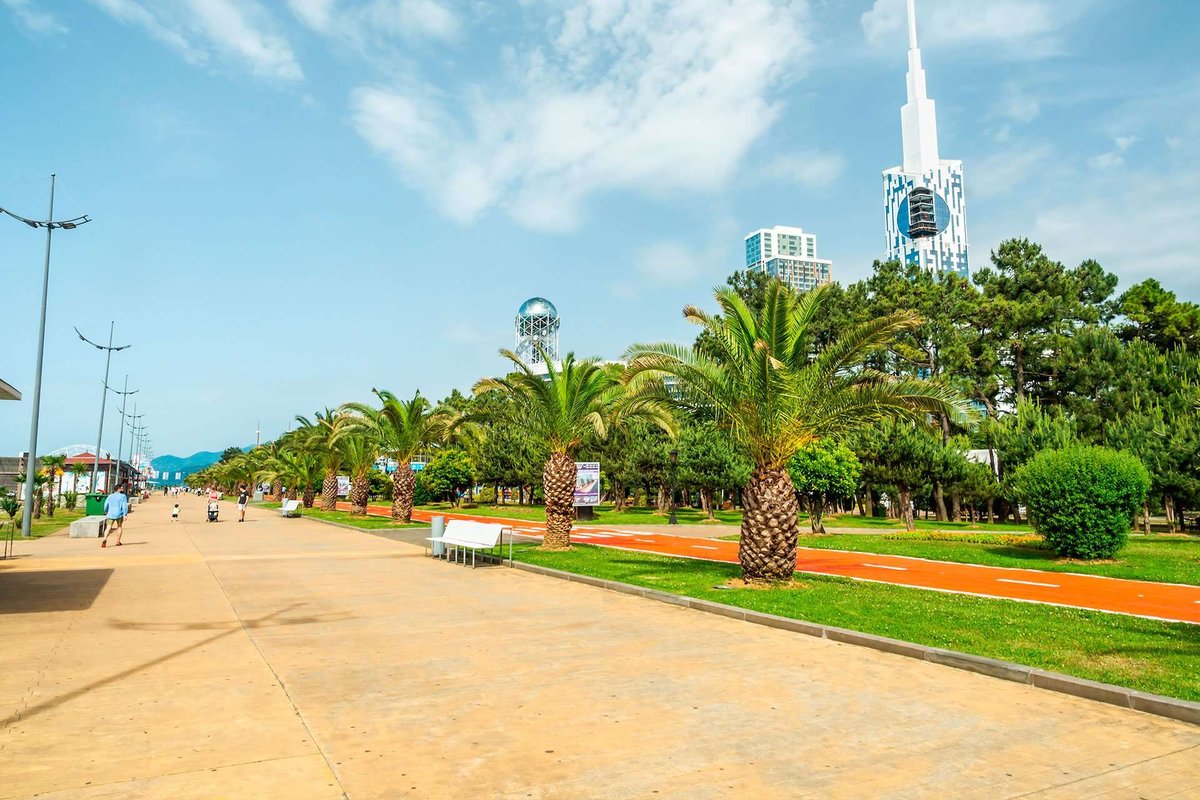
- Street performances: In summer and autumn, the Gandagana dance is sometimes performed at outdoor venues in Batumi, especially in tourist areas such as the Seaside Boulevard.
Why it is worth becoming part of Gandagana
Gandagana is more than just a dance or a festival. It is an opportunity to immerse yourself in culture, become part of a centuries-old history, and perhaps discover something new in the world of Georgian traditions. Participating in such events is not only an exciting experience, but also a chance to feel yourself part of the great and hospitable world of Adjara.
Summary
Gandagana is more than just a festival or a dance. It is a living connection between the past and the present, culture and nature, art and everyday life, which have found a unique reflection in the traditions of Adjara. A concluding look at Gandagana allows us to see how it unites people and preserves important values for future generations. Let us sum up and understand why this tradition is so significant and relevant even today.
Similarities and differences
Similarities:
- Both phenomena reflect the richness of Adjarian culture and its connection with nature.
- Both the festival and the dance convey joy, gratitude, and the unity of people.
- They serve as a way to express respect for labor and the land.
Differences:
- The festival is a large-scale event that combines many cultural elements, from food to crafts.
- The Gandagana dance is an artistic expression of traditions, focused on the grace of movement and emotional depth.
Gandagana as a symbol of the unity of culture and nature
Gandagana is not just a tradition — it is a metaphor for the unity of humans and nature. The festival thanks the land for its gifts, and the dance tells this story through the art of movement. Every element — from the soft steps of the dancers to the products presented at the fair — reminds us how important harmony between nature and culture is.
In the modern world, where technology often distances people from nature, Gandagana remains a living reminder of how deeply we are connected to the world around us.
Why it is important to preserve such traditions for future generations
Traditions like Gandagana are not only a way to remember the past, but also a key to creating the future:
- Cultural heritage: Such events help preserve the uniqueness of national identity, making Georgia special in the eyes of its residents and guests.
- Youth education: Participation in dance and festivals teaches the new generation to respect labor, nature, and cultural roots.
- Attracting the world’s attention: International recognition of traditions such as Gandagana helps popularize Georgian culture and strengthen its significance on the global stage.
Preserving Gandagana is a contribution not only to the culture of Adjara, but also to the global diversity of the world. It is a tradition that unites the past, present, and future, passing on the most important values: labor, beauty, joy, and harmony.

28 comments
Log in to leave a comment
Мне особенно понравилось, как автор передаёт атмосферу праздника: это не просто фестиваль с яркими костюмами и музыкой, а глубокий культурный ритуал, где каждый может почувствовать связь с землёй, историей и душой народа. Танцы, песни, ритуалы сбора урожая и благодарения — всё это создаёт ощущение единства природы и человека.
Особенно впечатляет, что Гандхан — это не просто развлечение, а духовный и социальный опыт, наполненный смыслом: выражение благодарности за плоды земли, укрепление связи между поколениями и сохранение культурных традиций, которые передавались веками.
Статья также очень хорошо показывает, как праздник отражает богатство грузинской культуры: от традиционной музыки и танцев до символических обрядов, которые помогают участникам почувствовать себя частью чего‑то большего — истории, земли и общества.
Читать про Гандхан — значит не только познакомиться с культурной стороны Грузии, но и почувствовать дух праздника, который объединяет людей в радости, благодарности и уважении к природе.
Спасибо автору за вдохновляющий и насыщенный обзор!
А вы уже слышали о празднике Гандхан? Что вас сильнее всего привлекает — танцы, музыка, традиционные обряды или идея благодарения за урожай? 🎶🍇🌿