



💰 How Much a Month in Georgia Costs: Tbilisi and Batumi
💰 Your budget lives in two currencies at once
Rent in Georgia is almost always quoted in dollars, while groceries, transport and utilities you pay in lari. That means the exchange rate matters more to your month than you'd think, and there's no way to plan in just one currency.
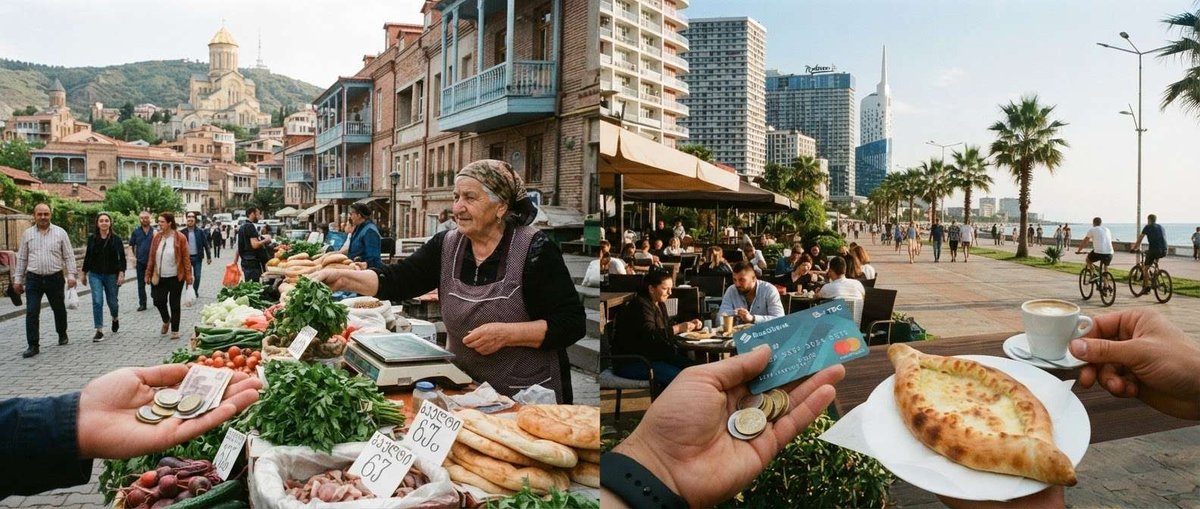
"How much will I need a month?" It's the first thing everyone asks. And the honest answer sounds unhelpful: somewhere between $750 and $2,000, take your pick.
I know, sounds like a dodge. But that two-to-three-times gap is real, and both ends of it describe a perfectly normal life, not scraping by on one side and living large on the other. One person rents near the metro in Gldani and cooks soup at home. Another lives in Vera, eats out, and heads to Kakheti most weekends.
So there's no single magic number coming. What follows is where the money actually goes, and exactly where that gap opens up.
🏠 Housing: half your budget gets decided right here
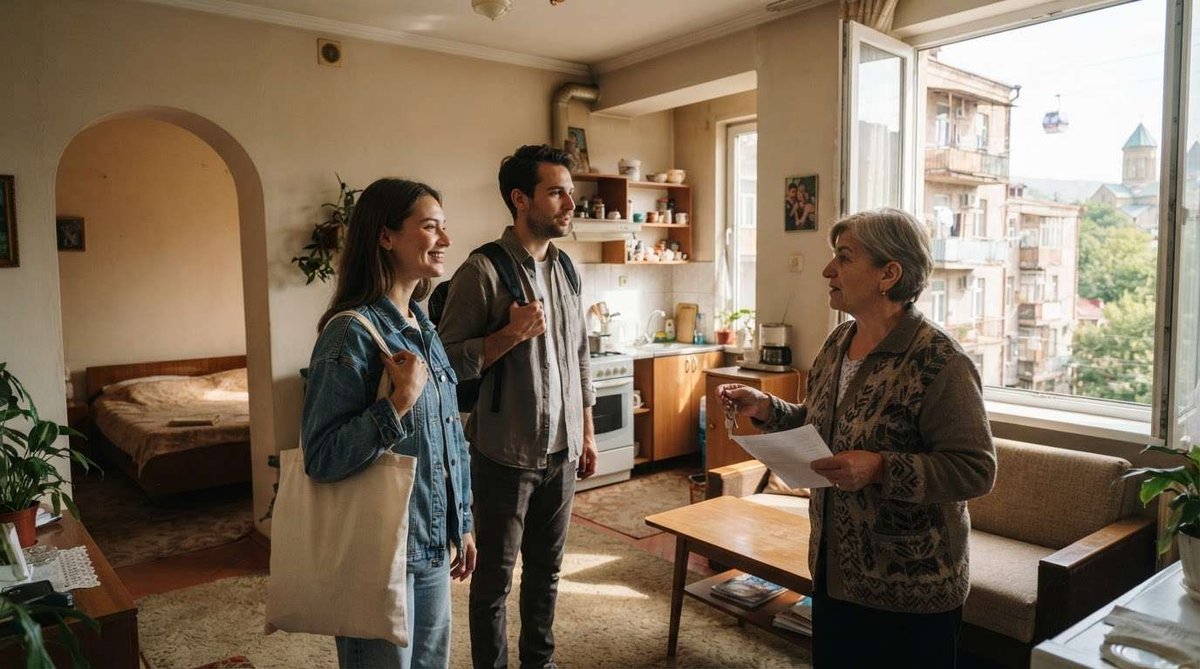
Everything else is details. Rent eats a third to half of monthly spending, and any savings you make on food get swallowed by whatever you're paying for the apartment.
The first thing that throws visitors off: listings are priced in dollars. Even when it's someone's grandmother renting out a Soviet-era flat in Didube. You can pay in lari at the day's rate, but the comparing and the haggling happen in dollars, that's just how it's done.
As of September 2026: a one-bedroom in a decent but non-central neighbourhood of Tbilisi or Batumi runs around $400. Closer to the centre, from $550 up. A studio in Batumi averages $300-400, and spacious sea-view apartments go for $600-800.
Now for what actually moves those numbers.
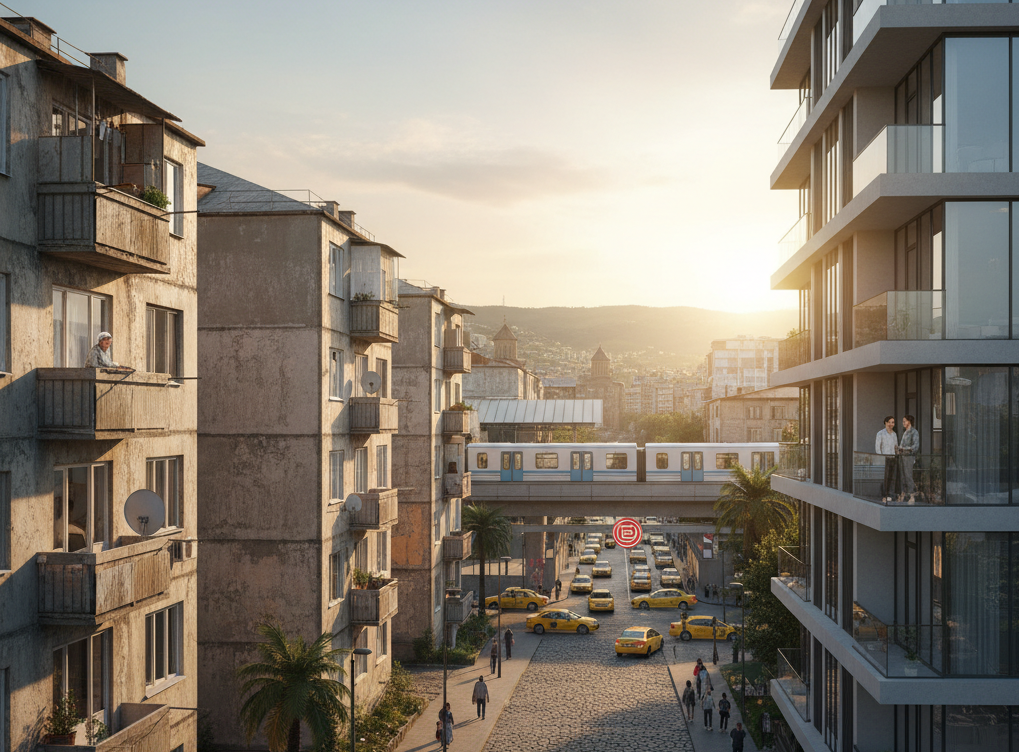
Location matters most. A flat outside the centre but near the metro comes in a couple of hundred dollars cheaper, with a twenty to thirty minute commute. Twenty minutes on the metro against roughly $2,500 a year, an arithmetic that a lot of people find surprisingly persuasive once they run it.
Then there's lease length. A yearly contract almost always beats month-to-month, and often by a noticeable margin: landlords would rather not hunt for a new tenant every thirty days.
And finally, condition. A freshly renovated new build costs meaningfully more than a Soviet-era block across the street in the same neighbourhood with the same metro walk. At that point it's just a question of what matters more to you.
If you're getting into the details, we've covered long-term rentals in Tbilisi and Batumi and what drives rental prices. There's also a piece on common mistakes when signing a lease, worth reading before you sign, not after.
🛒 Food: this is where the real gap comes from
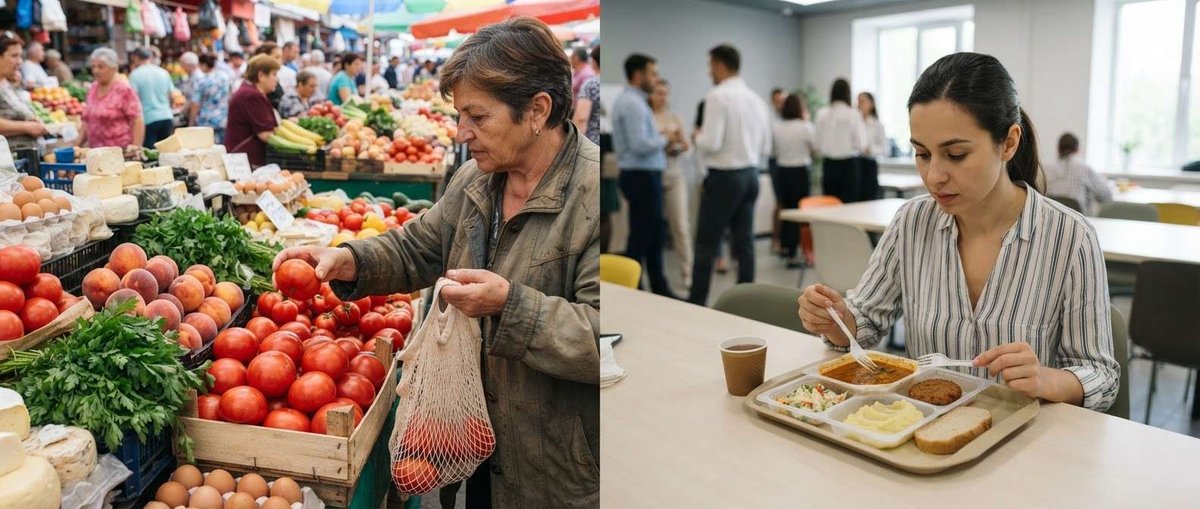
Look at the table above again. Between the tight and comfortable columns, the food line nearly doubles. It's not that one person eats pricier food. It's who's doing the cooking.
A cheap cafeteria lunch is genuinely cheap. True. The problem is there are thirty of those in a month, and by the end you're staring at your statement wondering where it all went.
The second habit is easier to adopt. Go to the market for vegetables, fruit, herbs, cheese and eggs, where they're noticeably cheaper than at the chain stores, especially in summer. Grains, dairy and cleaning supplies go the other way, cheaper at the supermarket. Sounds fussy, but the difference over a month is real, and it costs you no effort at all.
Season matters more than people expect, too. In summer and autumn, tomatoes, peaches and greens cost next to nothing, and you feel briefly rich. Come January, the same tomatoes cost several times more, and your grocery bill jumps, even though nothing about the country changed. If you're budgeting off a summer trip, winter will surprise you.
More on the basket is in our piece on grocery prices. For something more concrete, there's what 10, 50 and 100 lari actually buy you, the fastest way to get a feel for local prices without reading a single table. For Batumi specifically, there's a breakdown of where to shop.
🚌 Transport and connectivity: the easy part
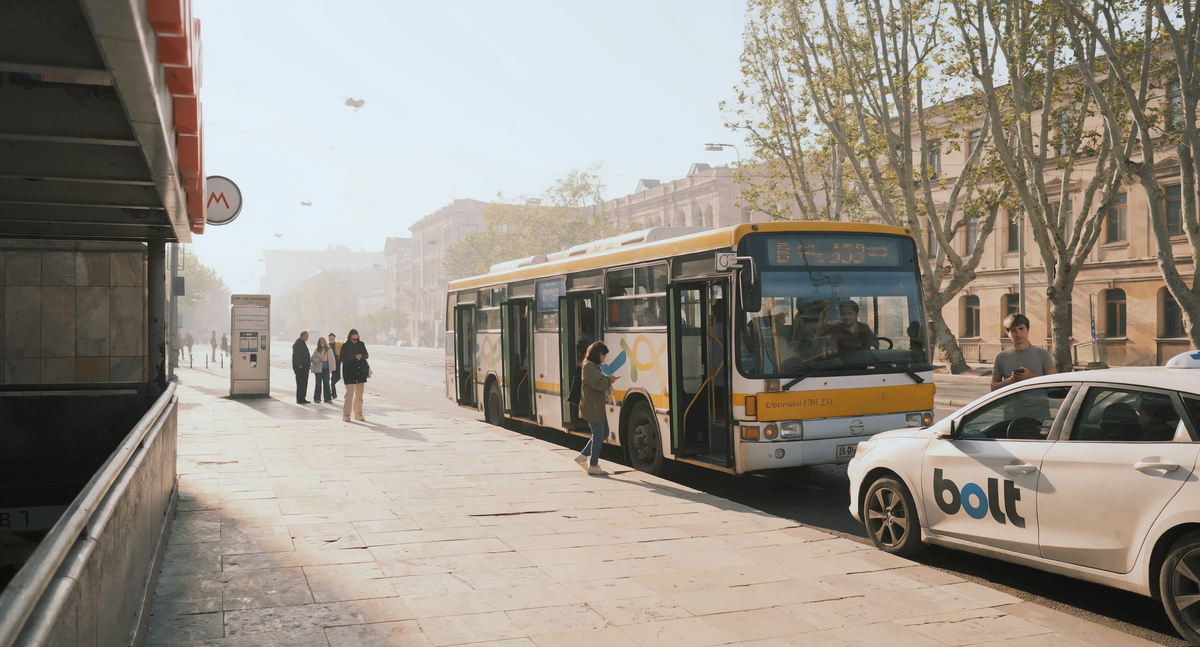
After all that housing talk, it's a relief to get to the cheap stuff.
A ride on the metro or bus in Tbilisi costs about a lari. Even riding daily, a month's worth barely registers against what you're paying in rent.
Taxis surprise people in a different way. A ride across town through an app usually runs $3-7, from the airport $15-25. For anyone arriving from Moscow or Europe, this changes habits: a taxi stops being a treat and becomes just how you get somewhere when you're tired or it's raining. Service comparisons are in Bolt in Georgia and Yandex Taxi in Georgia.
Connectivity is just as light on the wallet: $10-15 a month for mobile data, home internet separately and also cheap. If you want to compare providers, here's the breakdown.
If a car is in your plans, petrol runs about a dollar a litre.
🏙️ Tbilisi or Batumi: the question everyone answers wrong
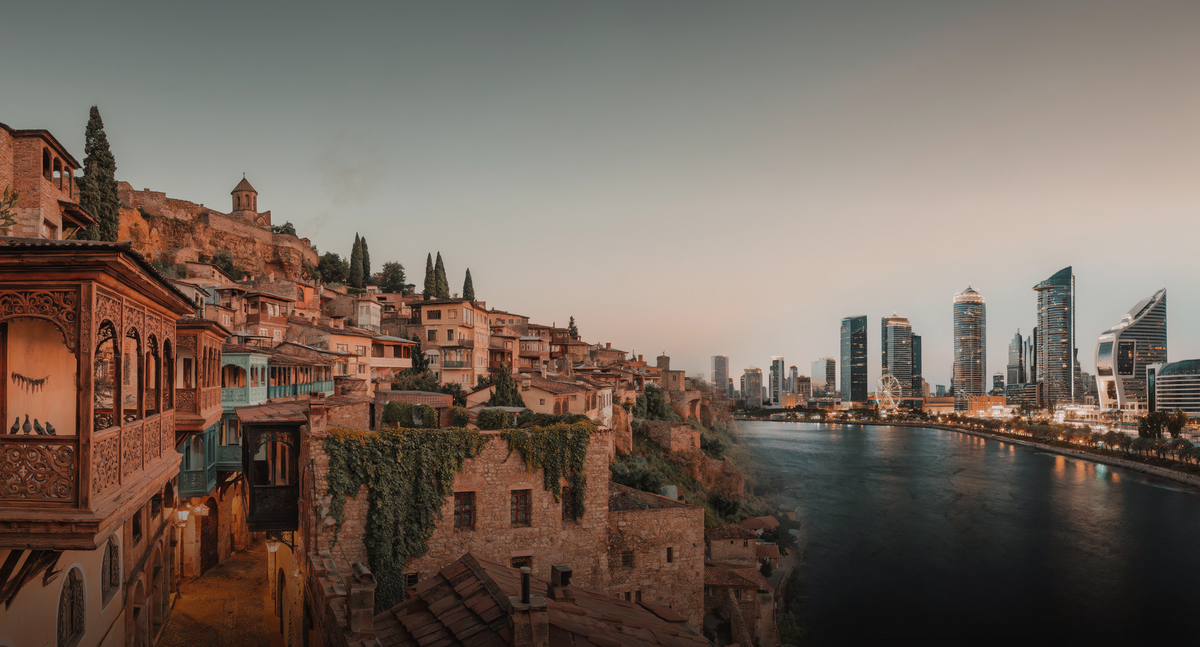
You'll almost certainly hear that Batumi is ten to fifteen per cent cheaper. The figure gets repeated from article to article and sounds convincing. One thing gives it away: it usually comes from people selling apartments in Batumi.
But the bias isn't really the issue. The question itself is framed wrong.
In Batumi, the season matters more than the city does. Everyone shows up in summer, and the landlord is doing the math: a year at $400 a month, or July nights at $70. Guess which one wins. So in June you're up against a higher price than Tbilisi and a polite "only until September."
Come February, the same landlord is happy to sign a year-long lease and even knock the price down. The sea is right there, the tourists aren't, the city is yours, and it costs less than the capital.
So the answer depends less on the city than on the month you happen to be looking. Arrive in winter and sign a year's lease, you've won. Arrive in July and hunt on the ground, expect to pay Tbilisi prices or worse.
There's also something the numbers won't show you. Batumi is smaller. Fewer jobs, fewer doctors, fewer schools. None of that matters to a remote worker, but it can catch a family with kids off guard, and usually not in the first month.
If you want genuinely cheaper, look at Kutaisi, Rustavi, Poti and Kobuleti. Just know the infrastructure is simpler there too, and that's part of the price as well.
📉 What actually helps if you need to cut back
There's plenty of advice online, and half of it is about denying yourself small pleasures. What actually works is different.
Move out of the centre. This one move saves more than everything else combined. Twenty minutes on the metro, and a couple hundred dollars stay in your pocket every month.
Sign a year's lease instead of going month to month. Your landlord will meet you halfway; they'd rather not be finding new tenants every thirty days either.
Time your arrival outside peak season. Critical in Batumi, but even in Tbilisi spring and autumn are gentler on prices than July.
And cook at home. Boring advice, I know. But it moves the number in that table harder than cutting out your morning coffee ever will.
Transport, on the other hand, isn't really worth trimming; it's cheap enough already. For more of these, a good chunk of the twenty tips for budget travel work just as well for everyday living.
Don't trust average figures pulled from the internet, ours included. Pull up a couple of listing sites, filter by neighbourhood and dates, and look through twenty real apartments. Half an hour of your time will tell you more about your own budget than any article can.
And arrive with a cushion for month one. The deposit usually equals a month's rent, plus an agent's fee, plus everything you suddenly need for an empty apartment. Startup costs routinely eat up two ordinary months' worth of spending, and almost nobody plans for it.
Living in Georgia? Tell us how it really works on Madloba: which city, what you actually spend a month, where you managed to save, and what turned out pricier than you expected. That kind of feedback beats any spreadsheet.
Information is current as of September 2026 and is meant as a general guide. Prices for rent, groceries and services change through the year, rent depends heavily on season and neighbourhood, and the lari rate moves with the market. Check current listings and the exchange rate from the National Bank of Georgia before you move. Some of the open cost-of-living roundups circulating online come from real estate agencies and relocation services, and their numbers should be read with that in mind.
❓ Frequently asked questions
💬 If you rent outside the centre and cook at home, $750 to $1,100 covers it. Living in the centre, eating out and travelling around the country pushes that to $1,400-2,100. Without rent, it works out to roughly $600-900 per person.
💬 A couple's comfortable budget usually starts around $1,200-1,500 a month. For a family of three, add fifty to seventy per cent to the non-rent spending rather than doubling it; housing, utilities and part of the shopping are shared either way.
💬 A one-bedroom in a decent, non-central neighbourhood of Tbilisi or Batumi runs around $400; in the centre, from $550 up. A studio in Batumi averages $300-400, sea-view apartments $600-800. Neighbourhood and lease length move the price more than anything else.
💬 Depends when you're asking. In summer, Batumi gets pricier than Tbilisi thanks to tourist demand; in winter it can undercut the capital. The oft-quoted "Batumi is 10-15% cheaper" usually comes from people selling property there.
💬 Yes, comfortably. An apartment in a residential area, home cooking, the metro instead of taxis, and it fits. For more breathing room, $1,500 and up feels a lot easier.
💬 $50-100 a month for a one-bedroom, and that range is really the gap between summer and winter, not between different apartments. With heating on, the bill climbs noticeably.
💬 The opposite, it's one of the cheapest parts of the budget. Metro and bus rides in Tbilisi run about a lari, taxis across town $3-7. Plenty of newcomers end up taking taxis places they'd have walked back home.
💬 Most people keep savings in dollars or euros and convert to lari as they need it. Just remember rent gets quoted in dollars while your groceries are paid in lari, so the exchange rate touches your budget constantly.
💬 Winter utilities, health insurance, the annual border run to renew a visa-free stay, and the startup costs of moving in: the deposit, an agent's fee, everything an empty apartment suddenly needs. Add ten to fifteen per cent to your estimate for the first three months and there'll be fewer surprises.

0 comments
Log in to leave a comment