




Archaeopolis (Nokalakevi, Tsikhegoji): Capital of Egrisi and Excavations
The Greek name for Nokalakevi is Archeopolis (old city). Scholars believe that Nokalakevi is the mythological city of Aya, from where the Argonauts, led by Jason, stole the Golden Fleece.
Tsikhegoji (Nokalakevi, Archeopolis) is located on the left bank of the Tekhura River, in the village of Nokalakevi (Senaki Municipality).
Archeopolis (as the Byzantines called it) was for centuries the capital of the ancient Georgian state of Colchis.
Georgian historian Leonti Mroveli connects the city's construction to historical events of the late sixth and early third centuries BC, when King Pharnavaz of eastern Georgia married his sister to Kuji, the ruler of Colchis, and granted him the status of eristavi of western Georgia. To strengthen his domain—Colchis—Kuji built the city of Tsikhegoji.
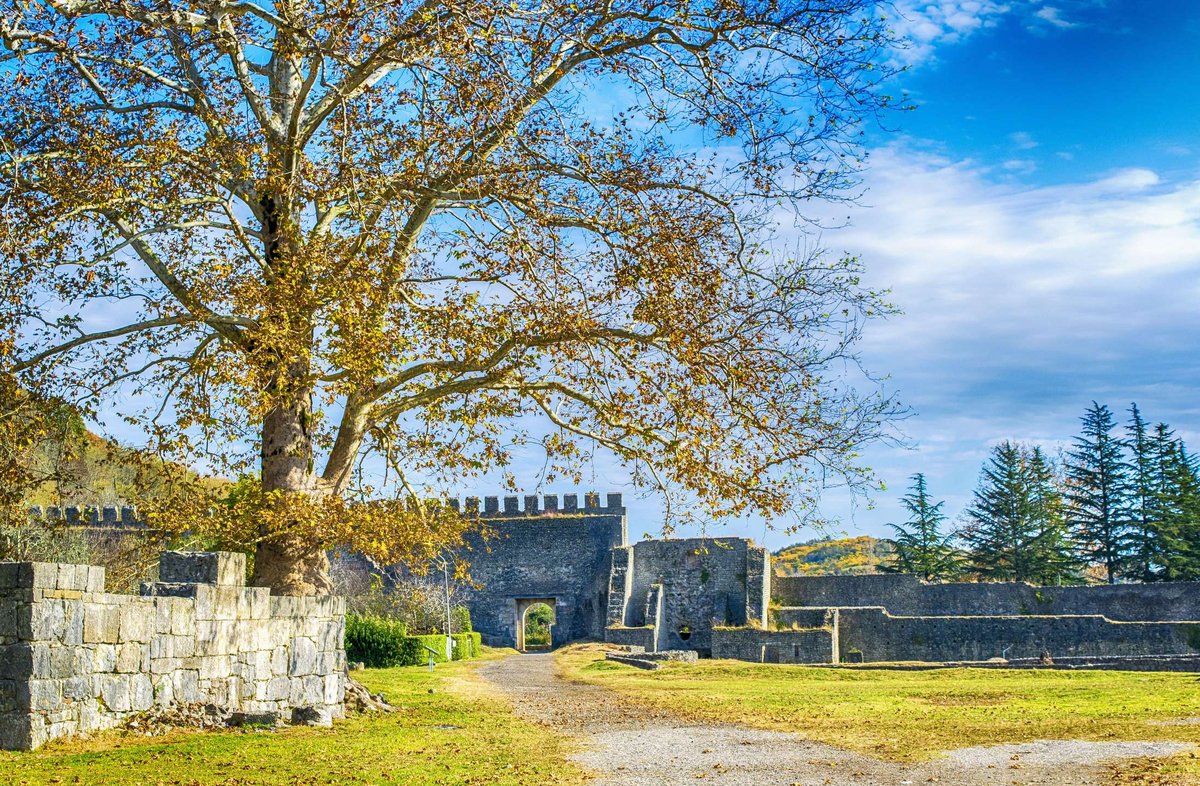
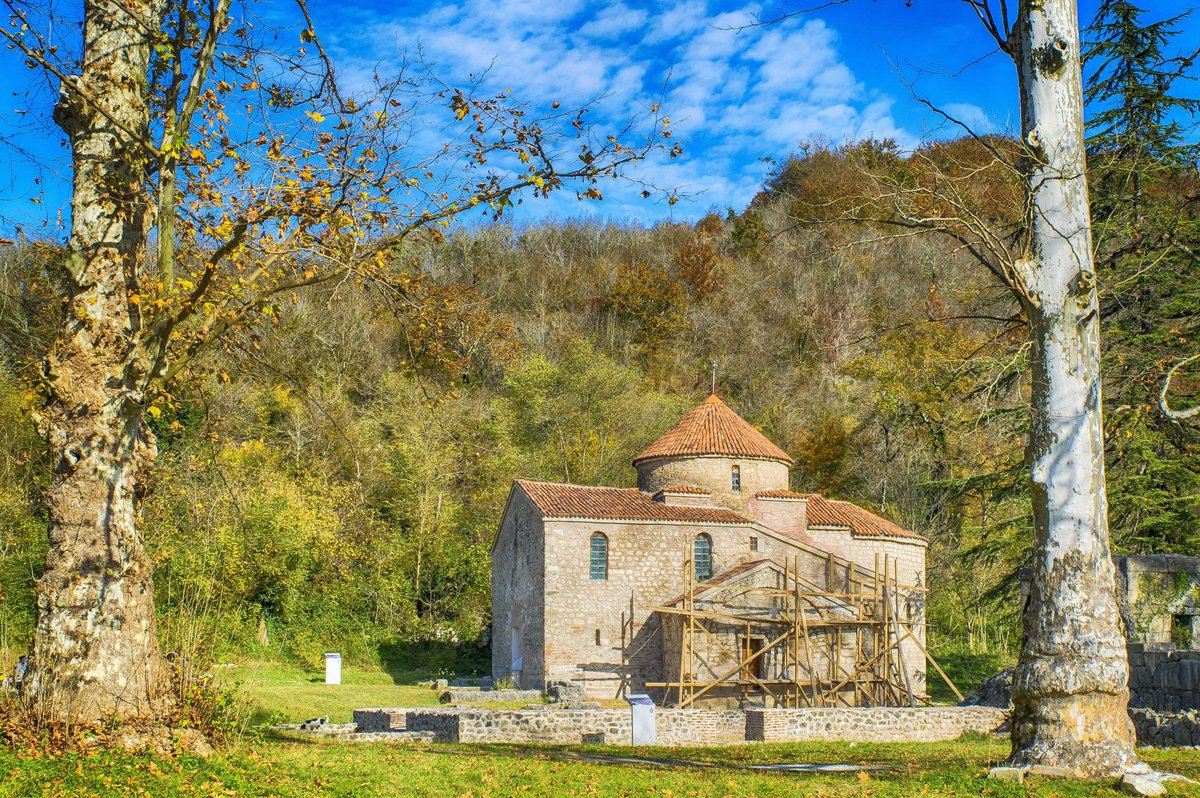
The walled city covers an area of 20 hectares. It consists of three parts: a lower terrace, a plateau, and an upper plateau with a citadel. These parts were separated by internal walls. The central part housed the ruler's residence, baths, a hall church, and various other structures. The lower part of the neck was surrounded by a river on three sides.
During ancient times and the Middle Ages, the Rioni River and its right tributary were navigable. Therefore, Nokalakevi could be reached both by water and by land. By land, the town could be accessed via a flat road through a gate in the eastern wall of the town; by water, from the western part of the town, through a cave.
In 1973, Georgian archaeologists conducted excavations on the Archaeopolis site (the first expedition leader was Parmen Zakaraia). In 1976, the Parmen Zakaraia Architectural and Archaeological Museum-Reserve was founded on the site of the historic town, and in 1988, an archaeological museum was established, displaying numerous materials discovered during excavation and research work at Archaeopolis.

38 comments
Log in to leave a comment
Гектаров это вполне приличная территория, много чего можно посмотреть.
Старинный город состоит из трех частей –
нижняя терраса, плоскогорье и верхнее плато с цитаделью– каждая из которых была огорожена. В центральной части располагались бани, церкви, а также резиденция правителя. После проведения раскопок здесь открыли музеи, в которых выставлены материалы раскопок и многое другое.
В 1973 году проведены раскопки. В 1976 году – основан архитектурно-археологический музей заповедник, а в 1988 году – музей с обнаруженнными материалами.