




Potoleti Church in Borjomi: History, Architecture, Route
Many of us enjoy visiting landmarks, as they preserve the memory of human history. And every time we choose a vacation spot, we consider what we can see.
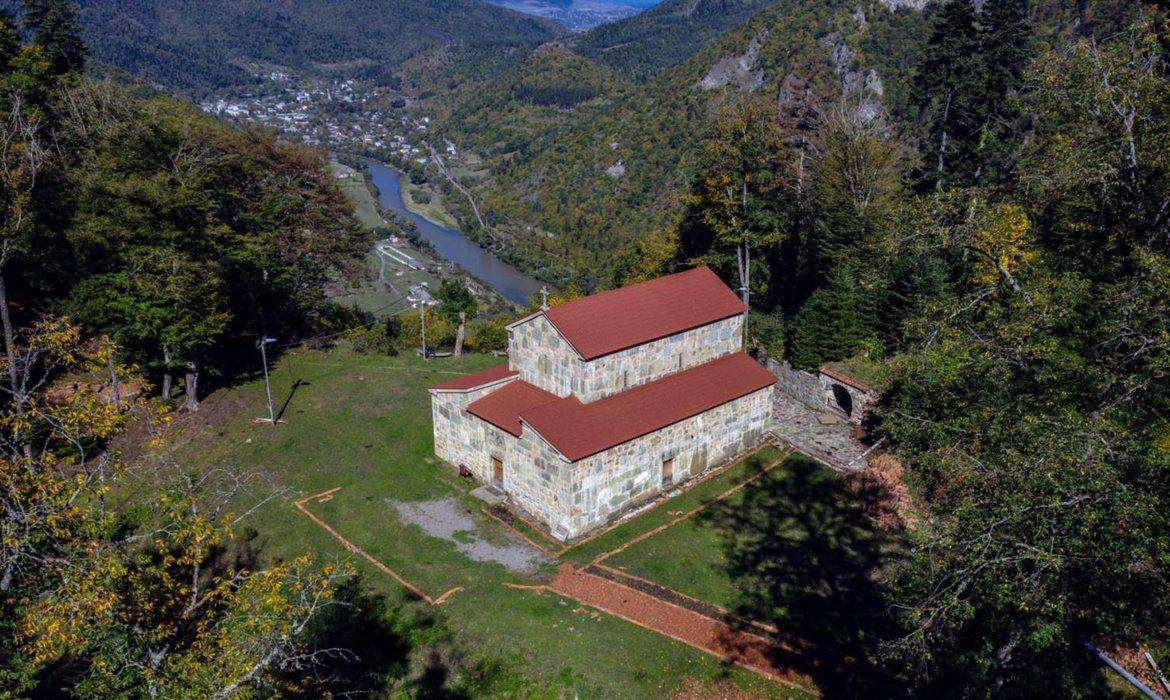
For example, in Georgia, you can visit the Potoleti Church, one of the oldest historical monuments in the Borjomi region. The reason to visit lies not only in its multifaceted history but also in the surrounding area, renowned for its beauty.
Location
The Potoleti Church is located in the Borjomi District, in the Potoleti forest on a plain. A dirt road leads directly to the monastery. It's a short distance from Akhaldaba. By car, the church is a ten-minute drive, but walking takes longer, about an hour and a half, but it allows you to enjoy all the beauty of the forest and admire the magnificent views of the gorge and Akhaldaba.
The road to the church is most beautiful in autumn: the forest turns colorful, and the falling leaves add a touch of mystery.
History
It is believed that the monastery was built by Christopher, a follower of Saint Grigol Khandzteli, in the 840s. Historical sources indicate that in the 14th century, the church ceased its activity, became empty, and was forgotten. The passage of time or enemy raids led to the destruction of this magnificent church.
Only in 2007 did restoration efforts begin.
The restoration was aimed at achieving perfection, bringing the church's appearance as close as possible to its original appearance. Today, the Potoleti Church has been restored, and the monastery has been rebuilt. It is now an example of living history.
Archaeological Discoveries
To carry out restoration work and return the church to its original appearance, excavations were necessary, during which interesting facts were discovered. Numerous remains belonging to monks were scattered throughout the monastery grounds. This provided a picture of what happened during enemy raids, revealing the brutality of the massacres. Also found were dishes and an iconostasis from the 10th century, which was used to decorate a cornice made of tiles with triangular corners. It depicted deer facing each other.
During archaeological excavations, an interesting crypt was discovered, set into the stone walls, with illegible inscriptions on the roof: Nuskhuri and Mkhedruli. Various periodical inscriptions are still being studied.
Photo source: georgian-100.com

27 comments
Log in to leave a comment