




Abastumani Observatory: History, Telescopes, Route
At the initiative of Tsarevich Georgy Alexandrovich, the Church of St. Alexander Nevsky was built in Abastumani between 1896 and 1899. This church is a replica of the 8th-9th-century Georgian architectural monument, Zarzma. For this reason, the church was called "New Zarzma." Between 1902 and 1904, the church was painted by the renowned Russian artist Mikhail Nesterov.
On the conifer-covered southern slopes of the Meskheti Range lies the renowned mountain climatic and balneological resort of Abastumani, whose climate is beneficial for the prevention of lung diseases. It is especially beneficial in the spring, when the pine trees begin to pollinate. Abastumani is known not only for its climate but also for its primary therapeutic factor – hyperthermal (39°-4865°C) and low-mineral springs.
At the beginning of the Common Era, the densely populated town of Odzrkhe stood on the site of the modern resort. Even in ancient times, this town was famous for its healing waters. According to the eminent Georgian geographer Vakhushti Botanishvili, from the early 17th century, when the Turks ruled the city, they called the place "Chemik-Bogaz" ("chemik" meaning warm, "bogaz" meaning valley). The modern name likely derives from the surname of the local princes, Abazasdze.
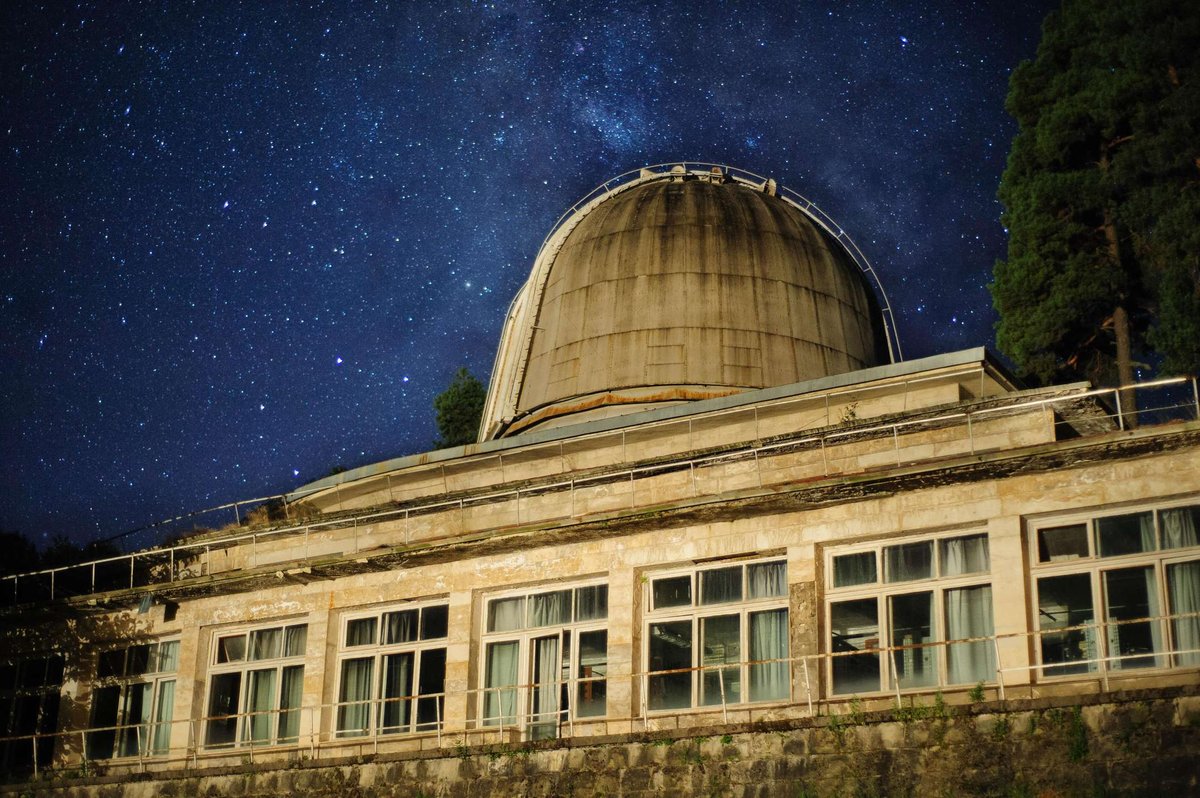
In the late 19th century, Grand Duke Georgy Alexandrovich Romanov, a member of the royal family, settled in Abastumani to treat a severe lung ailment. A bathhouse with therapeutic thermal waters and a palace were built especially for the prince. A passionate astronomer, Prince Georgy Romanov invited his friend, astronomer and professor at St. Petersburg University Sergei Glazenap, to Abastumani. Not far from the prince's palace, they erected a small domed structure in which they housed a telescope brought from St. Petersburg. Thus, the foundation was laid for the first astronomical observations in Abastumani, and in 1932, 8 kilometers from Abastumani, on Mount Kanobili, at an altitude of 1,650 meters above sea level, an astrophysical observatory was founded on the initiative of Professor Evgeny Kharadze. This was the first mountain astrophysical observatory in the Soviet Union.
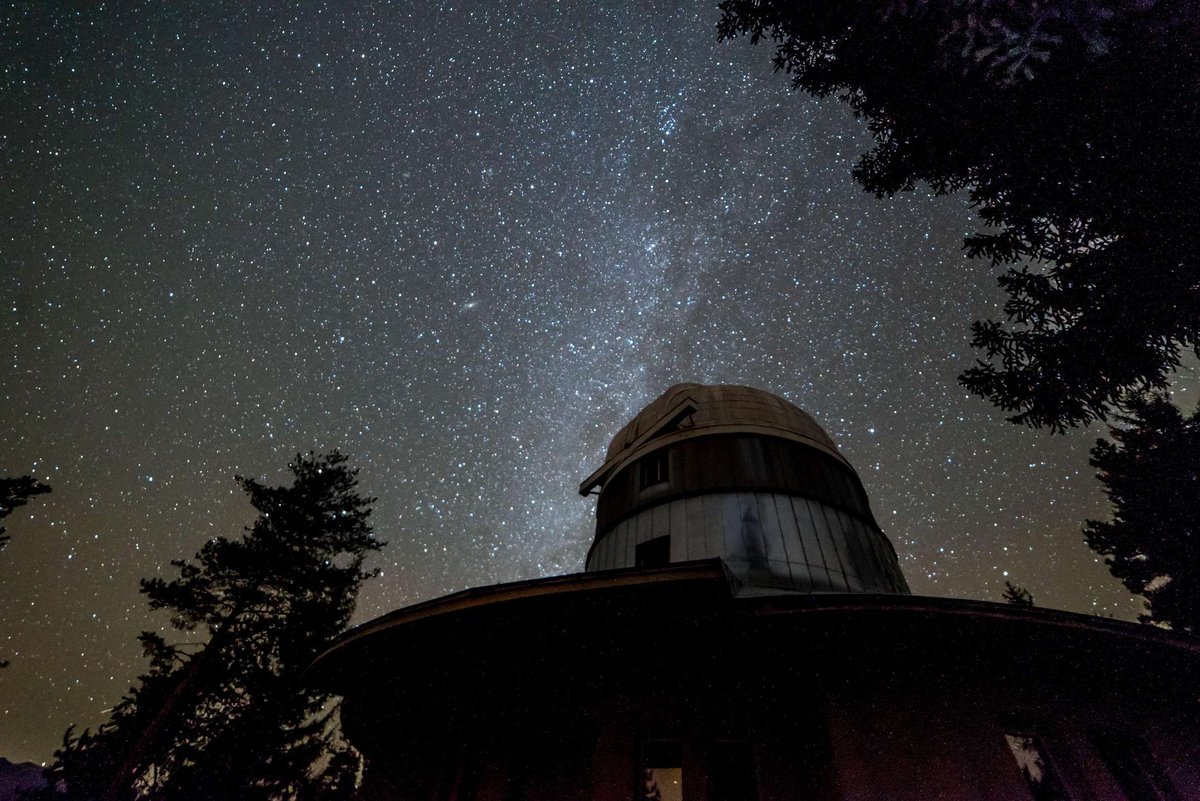
In 1935, observatory staff discovered a small planet, No. 1390, which they named Abastumani.
Read more interesting stories about the lives of the Georgian people on the pages of madloba. We strive to tell the most significant and little-known facts in an engaging and entertaining way. You'll also find detailed descriptions of all the establishments in the country's major cities, complete with photos, contact information, and customer reviews.

46 comments
Log in to leave a comment