



Add organization

Church of the Mother of God, Mamula: History & Architecture

The village of Mamula, located in the Kvemo Kartli region, Dmanisi Municipality, is undoubtedly one of the most beautiful places in Georgia. It is there that the Church of the Mother of God of Mamula is located.

Georgia's landmarks are striking in their beauty and architectural design, and the church in Mamula is no exception.

Architecture

The building is constructed of various types of stone, and its walls feature relief inlays depicting crosses. One of these crosses, located at the top of the entrance and irregular in shape, adds a decorative touch to the church's artistic design. Another relief cross is located on the eastern edge of the southern façade and near the eastern window. The façades have a cornice. The church is entered from the south.
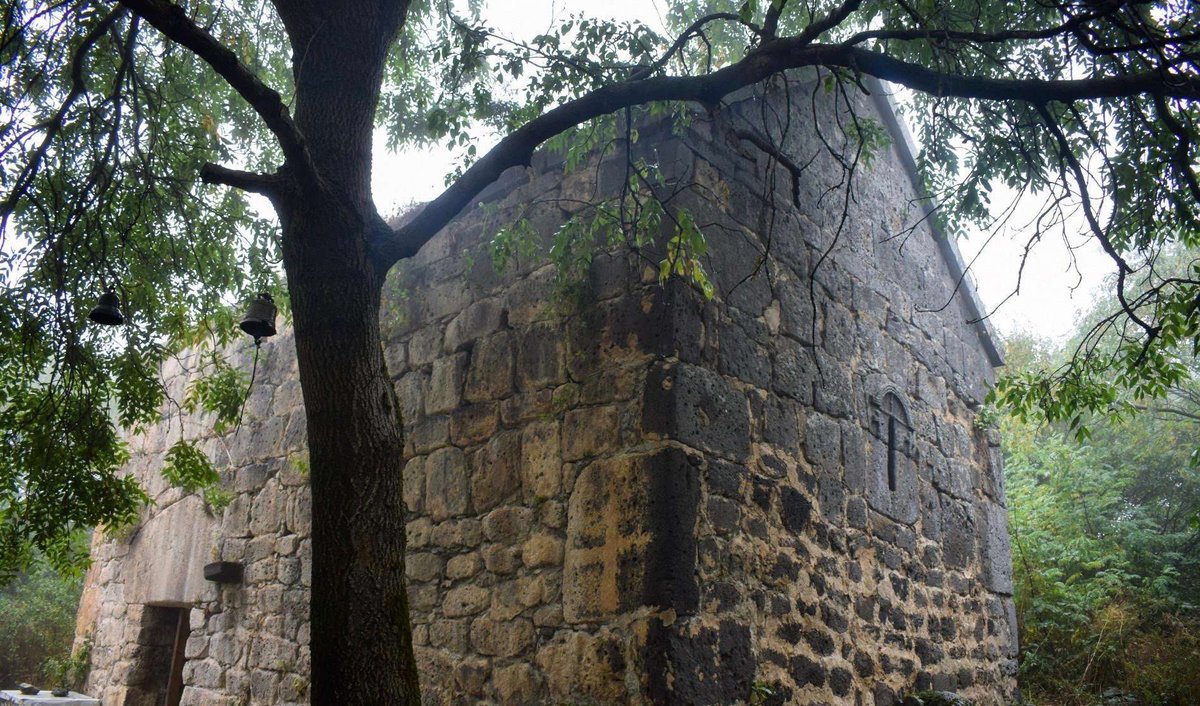
mamula

The building contains a vaulted hall ending in a semicircular apse to the east. Pilasters support a triumphal arch, while the remaining arches rest on corbels.

The apse, north wall, and west wall each contain a single narrow window. The east window is decorated with a horizontal sash. The church courtyard contains remnants of cemetery stones, one of which depicts a ram. The church dates back to the 8th-9th centuries, when such relief stones were common. This architectural monument retains the atmosphere of the Middle Ages to this day.

If you're unsure what to see in Georgia, don't hesitate to visit the Church of the Mother of God in Mamula—a place that will delight you with its picturesque beauty, introduce you to the culture of past centuries, and leave you with a lasting impression.

Photo source: georgiantravelguide.com

Alla Smirnova
By:

Alla Smirnova

Post: Georgia sightseeing expert

My name is Alla Smirnova, and I am completely enchanted by Georgia. My passion is to share the amazing stories and rich ancient culture of this country. As an…

Visit author

22 comments


Log in to leave a comment


  • В
    Виталий Дяченко
    Интересно, почему в статье не упоминается, как были найдены и сохранены древние фрагменты мозаики. Это ведь важная часть культурного наследия.
  • W
    Win King
    Why was the church used as a warehouse during the Soviet era, and how did its interior survive despite this usage? It's fascinating that it still holds ancient mosaic fragments, considering the damage mentioned.
  • ვ
    ვახტანგ თევზიშვილი
    საინტერესოა, მართლაც მოხდა თუ არა ფრესკების რესტავრაცია 1991 წლის შემდეგ. არაერთხელ გამიგია, რომ ამ პერიოდის ფრესკების ბევრი ნაწილი სრულიად განადგურებულია და იხსნა რთულია. ეს განსაკუთრებით მნიშვნელოვანია, როცა საქმე ეხება ისტორიას და კულტურულ მემკვიდრეობას. მოქტიმება გამიწიწებს.
  • N
    Nash
    I'm curious about the "gladiolus" mentioned as topping the dome. Is this a common architectural feature, or does it have a specific meaning in the context of this church's design?
  • В
    Владислав Володин
    Интересно, каким образом были восстановлены древние фрагменты мозаики в храме после его использования в советский период как склад?
  • I
    Irakli Mgeladze
    არ ვარ დარწმუნებული, მართლაც დამონტაჟებული იყო თუ არა ჰოტელი მომლოცველებისთვის ამ ტაძრის გვერდით. იქნებ ვინმემ იცის, როგორ გამოიყურება ის დღეს? იქნებ შეიცვალა ან რამე ახალი დაემატა მას.
  • O
    Owen O.
    Does the fresco painting inside the church include any specific scenes or saints? I find the details of such art fascinating, especially considering the historical significance of the site's early Christian roots.
  • Ф
    Федор Пелипенко
    Интересно, какие меры принимаются, чтобы сохранить интерьер и фрески XIX века, учитывая повреждения, которые они получили в советский период? Есть ли планы по восстановлению гостиницы для паломников?
  • R
    Revaz
    ოდესმე ყოფილა ამ ტაძარში გამოყენებული საკუთარი მუსიკალური ინსტრუმენტები ან ბიზანტიური ჩანგალი საზეიმო ლიტურგიებისთვის? მსგავსი ტრადიციები ყოველთვის განსაკუთრებული ატმოსფეროს ქმნის და საინტერესოა, როგორ ხდებოდა ეს პროცესი ყოფილი ეკლესიების არქიტექტურულ მემკვიდრეობაში.
  • p
    patrickdavis1973
    The architecture and historical background of the church are fascinating, but I'm curious if there are plans to restore the interiors, especially the frescoes and mosaics, to their former glory.
  • К
    Ксения Козлова
    Какие методы реставрации использовали для восстановления фресковой живописи и мозаики в храме после того, как он был возвращен церкви в 1991 году?
  • ა
    ალინა
    კულტურული მემკვიდრეობის ეს სავანე შესანიშნავი ადგილია ვიზიტისთვის. მაინტერესებს, აღდგენის პროცესში რომელიმე ფრესკა ან მოზაიკური ნამუშევარი თუ განახლდა და რესტავრაციის შედეგად რა მოცემულობაა ახლა კულტურული მემკვიდრეობის ამ ქვაში?
  • s
    sergey_sysoev1993
    Не совсем понятно, почему в статье сказано, что храм построен на месте раннехристианской церкви IV–V вв. Разве в те времена уже были церкви на этой территории? Может, имелось в виду более позднее время? Хотелось бы уточнений по этому поводу.
  • I
    Irma
    განახლების პროცესში დაზიანებული ინტერიერის აღდგენისთვის კონკრეტულად რა მასალები გამოიყენებოდა? გარდა ამისა, საინტერესოა, შემორჩენილ მორალური ფრესკებისა და მოზაიკის მოზაიკის ნიმუშების მდგომარეობა როგორია კიდევ დღეს?
  • v
    viktorking
    Интересно узнать, сохранились ли какие-либо мозаики или фрески из древней церкви IV–V веков на территории храма?
  • A
    Arkadiy Solovyev
    Интересно узнать, сохранились ли какие-либо архивные данные или артефакты, которые помогли бы восстановить облик храма до его превращения в склад в советское время?
  • A
    Aria Z.
    The description of the church's architecture sounds fascinating, especially the use of marble and fresco paintings. I'm curious about the current condition of the interior after the restoration. Have any new discoveries been made during this process, particularly regarding the ancient mosaic fragments?
  • G
    Gwen Fisher
    The description of the church's architecture and historical significance is fascinating. I appreciate how it connects the past and present, especially with the preservation of ancient mosaic fragments. Learning about the restoration and its current status as an active church is heartwarming. The mention of the church once serving as a warehouse during the Soviet era and now being a regional architectural monument highlights its resilience. Thank you for sharing the rich history of this remarkable place.
  • G
    G_elel
    Церковь Божией Матери Мамула – это настоящее место силы и истории! Когда я побывала там, не могла не восхищаться тем, как сохранились древние стены и рельефные кресты. Строение из разных видов камней придает храму особенную атмосферу, как будто ты действительно оказываешься в прошлом. А виды вокруг – просто невероятные! Если хотите почувствовать дух Средневековья и насладиться настоящей красотой, обязательно посетите это место. Оно оставляет незабываемые впечатления!
  • b
    bikteeva94
    Для любителей духовно-культурных достопримечательностей посвящается эта статья! Церковь Божией Матери, которая находится в деревне Мамула относится к очень старым сооружениям, всю подробную и детальную информацию о нем, вы можете узнать, прочитав данную статью. Автор для нас хорошо поработал, и собрал всю нужную информацию!
  • Т
    Таня
    Крайне интересное место для посещения людьми, которые увлечены историей и археологией. Мне кажется для простых туристов, приехавших в Грузию для отдыха место не столь интересно, учитывая, что в Грузии еще очень большое количество других мет, которые можно посетить и которые ничем не уступают данному месту. Хотя в какой-то степени можно сказать, что это место силы.
  • И
    Иван
    Исторические храмы меня очень интересуют, как историка и археолога. Спасибо автору за интересную историческую справку, очень понравилось. Мне нравятся такие грузинские церкви, выглядит сдержано. В целом я бы посетил бы это место, осмотрел её как памятник средневековой архитектуры и поспрашивал у местных о его истории. Церковь хорошо сохранилась, видно, что за ней ухаживают. Однако не совсем ясна ситуация с изображением барана на надгробье.