



🌿 Kakheti National Parks and Nature Reserves: Ten Protected Areas from Tusheti to Vashlovani
🌿 What to Know About Kakheti's Protected Areas
Kakheti leads every region of Georgia in the number of protected natural areas: ten sites within one stretch of country, from the alpine meadows of Tusheti to the semi-desert of Vashlovani. Not all of them are officially "national parks", though: some are strict nature reserves, others are managed reserves. The distinction affects how, and whether, you can visit.
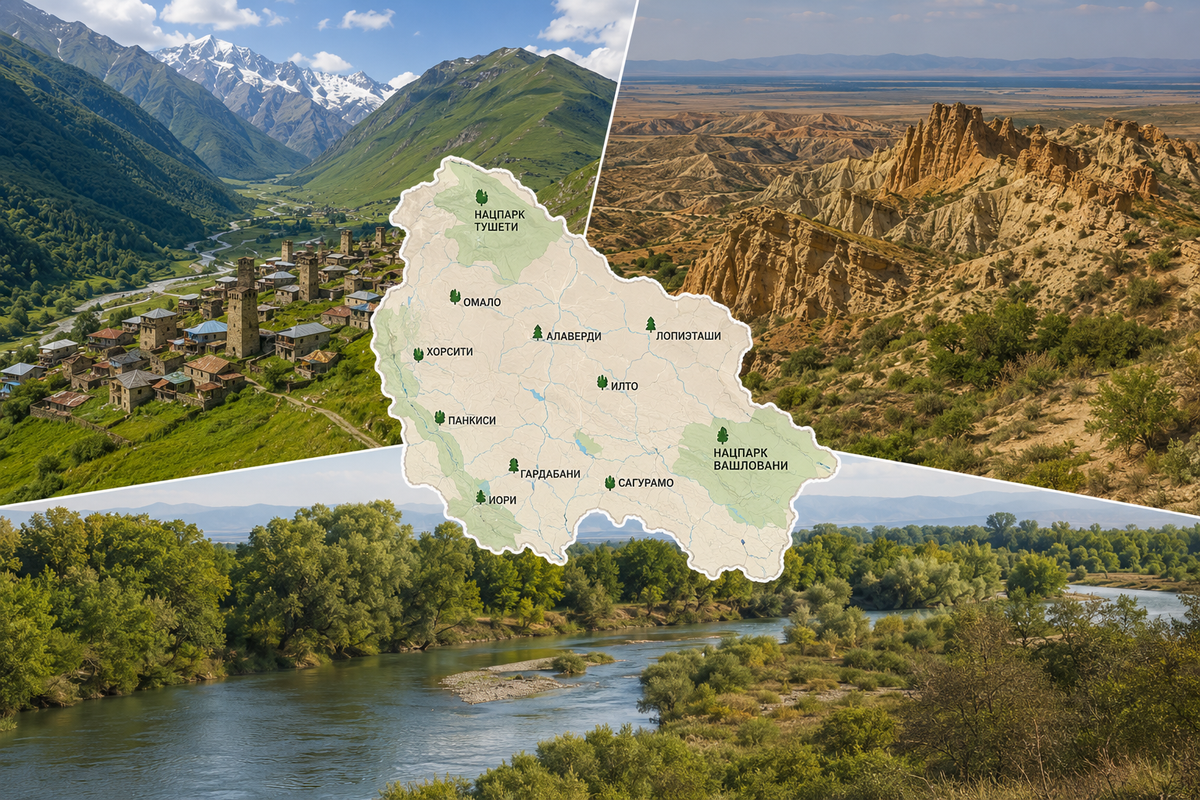
By the number of protected natural areas, Kakheti outpaces every other region of Georgia. Across a stretch of land running from the snowy passes of Tusheti to the semi-desert hills at the Azerbaijani border, ten protected sites sit side by side, each with its own status, its own ecosystem, and its own rules for visiting.
It's worth untangling terms that get blurred together in casual conversation and guidebooks alike. Under Georgia's 1996 law on protected areas, the statuses differ in substance: a national park implies tourist infrastructure and relatively open access along marked routes, a strict nature reserve is closed to mass tourism and exists primarily for conservation and research, and a managed reserve sits somewhere in between. In Kakheti, only two sites officially hold national park status, Tusheti and Vashlovani. The remaining eight are reserves and managed areas, which makes them no less worth visiting, just requiring a different approach.
This guide brings together all ten territories across three natural zones: mountain forest and alpine belts in the north, steppe and semi-desert in the south-east, floodplain forest along the Iori River in the centre of the region. Each section explains what the area is, how to visit it, and what to see there.
🗺️ Ten Territories, by Natural Zone
An overview of the three zones, full descriptions follow below.
🏔️ Mountain Forest and Highlands 6
🏜️ Steppe and Semi-Desert 2
💧 Floodplain Forest 2
🗺️ Kakheti's Protected Areas on the Map
Open in Google Maps🏔️ Mountain Forest and Highlands
Tusheti: Kakheti's Largest National Park
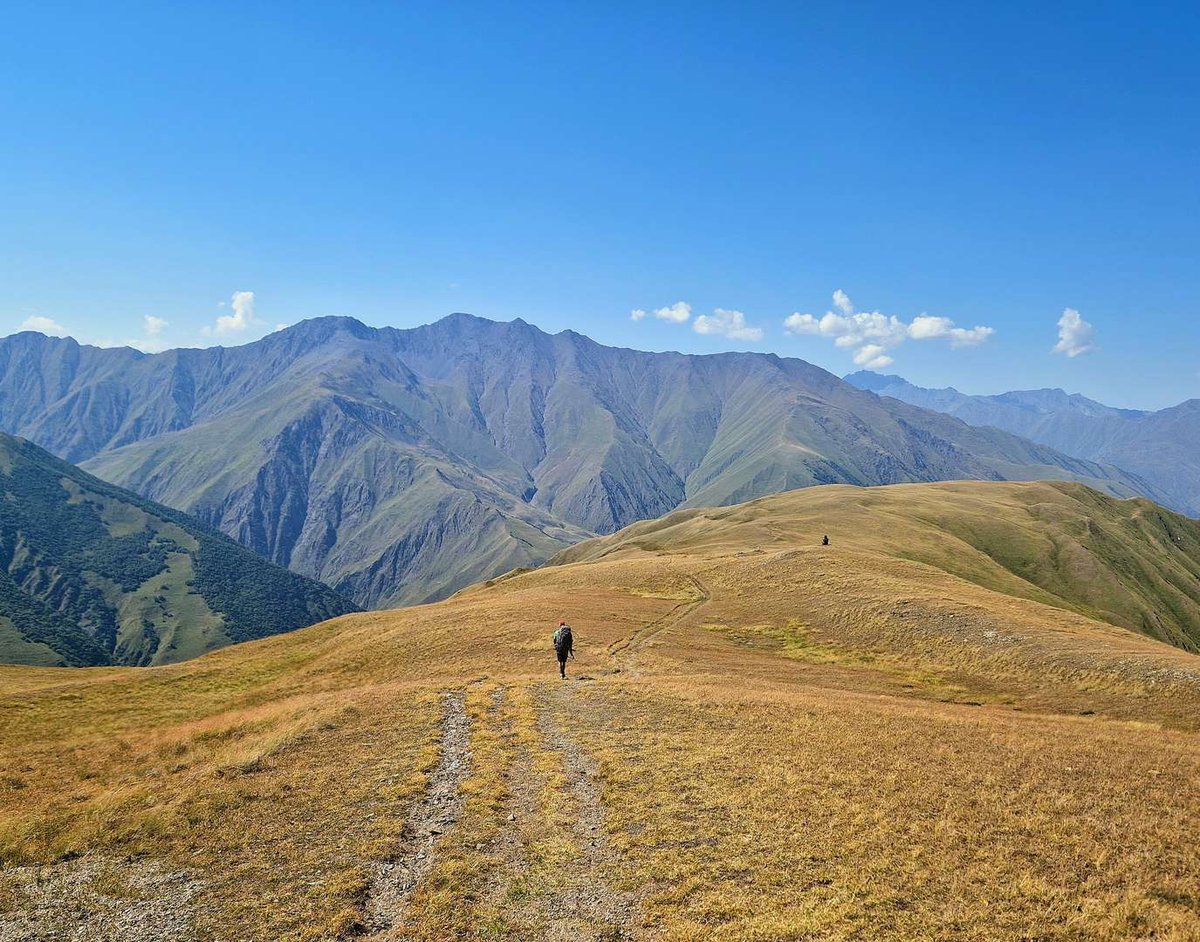
Tusheti, a high-mountain national park on the border with Dagestan and Chechnya, is one of Georgia's most remote and, at the same time, most iconic corners. The park was established in 2003 as part of a broader programme to protect the country's natural areas, and together with the Tusheti Strict Nature Reserve and the protected landscape, it forms a single system covering more than 113,000 hectares. Elevations here range from 900 to 4,800 metres.
Tusheti is known for more than just its nature: alpine meadows and pine and birch forests sit alongside stone watchtowers reminiscent of Svaneti and half-abandoned mountain villages. The region is the last remaining wild habitat of the bezoar goat, and home to brown bear, chamois, lynx and leopard.
Abano Pass, the only road into Tusheti, is open only during the summer months, which makes the region a strictly seasonal destination.
Lagodekhi: Georgia's Oldest Protected Area
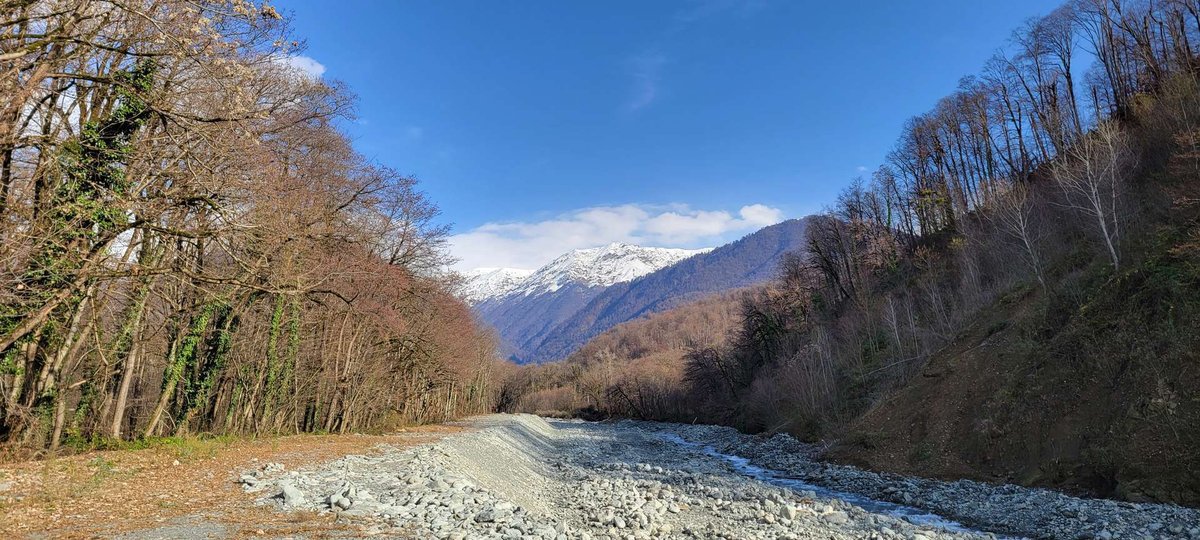
The entrance to Lagodekhi National Park leads to the oldest protected natural area not just in Kakheti, but in all of Georgia: it was established back in 1912, while the region was still part of the Russian Empire. The driving force behind its creation was Ludwig Mlokosiewicz, a Polish officer and naturalist who studied the local flora and fauna and pushed for protection of these Caucasus slopes long before the official decision was made.
Today Lagodekhi officially consists of two parts: a strict nature reserve and a managed reserve, split in 2003. It's the managed reserve that's open to tourists, with five marked routes, from a short 600-metre nature trail to a three-day trek to Black Rock and Lake Gdrzeli.
Lagodekhi is known for its waterfalls, glacial lakes and one of the highest concentrations of species per unit area in the country: around 150 bird species and more than 50 mammal species, including brown bear, lynx and the East Caucasian tur.
Batsara: Yew Groves Up to 700 Years Old
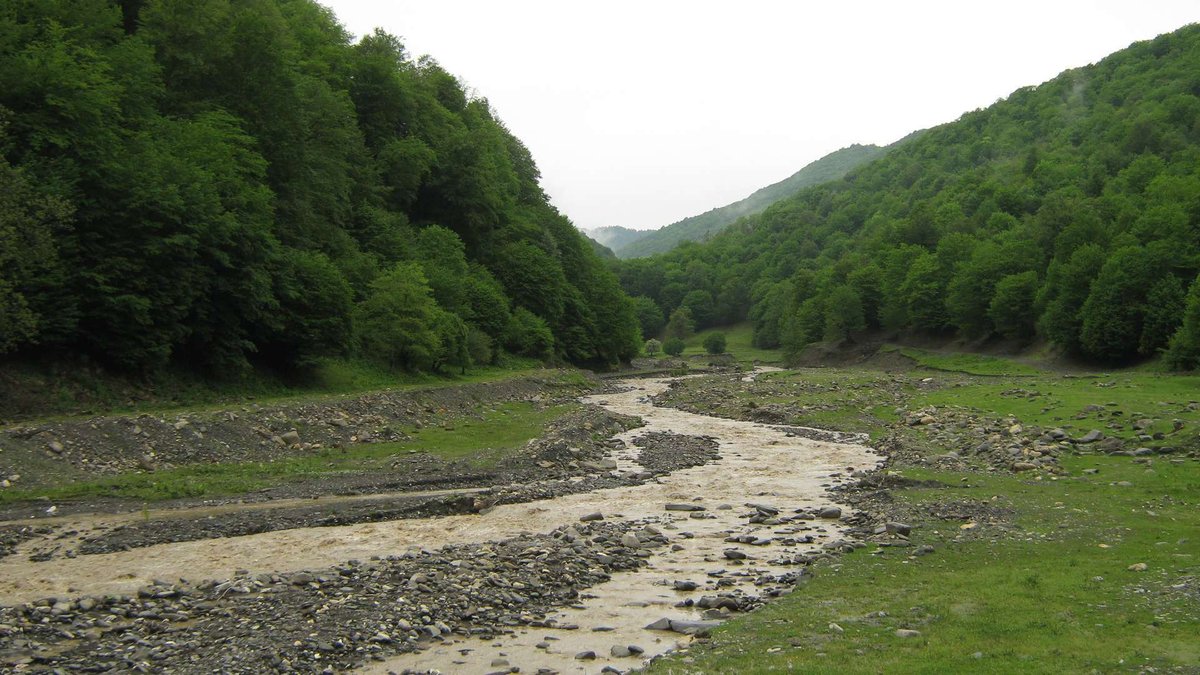
Batsari National Park (officially a strict nature reserve) was established in 1935 in the Pankisi Gorge, on the right tributary of the Alazani River, within Akhmeta municipality. Its main value lies in about 270 hectares of relict Tertiary-period yew forest, a stand of common yew with no equivalent anywhere else in the world. Individual trees are estimated by specialists at 400 to 700 years old, with canopies exceeding 40 metres in height.
The territory is classified as a strict nature reserve, meaning access is limited: visits are generally possible only for educational or scientific purposes, and typically require permission from the administration. For more on this area and neighbouring Babaneuri, see the combined feature on the Batsara-Babaneuri protected areas.
Babaneuri: Relict Groves of Caucasian Zelkova
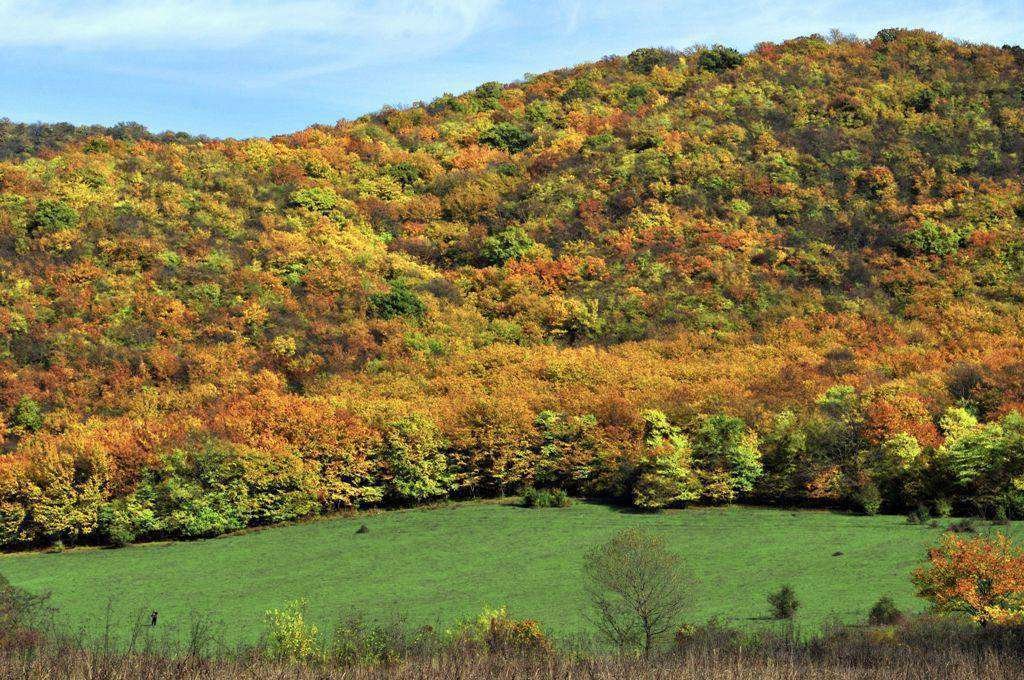
The Batsara-Babaneuri protected areas include a separate section at Babaneuri, a reserve near the village of the same name in the Alazani River basin. It was established in 1960, originally covering about 748 hectares, with the area now estimated at 862 hectares. It was created to protect a relict forest of Caucasian zelkova (Zelkova carpinifolia), a tree that grows here both in stands of its own and mixed with oak and hornbeam.
In 1969, the Babaneuri Reserve was merged with the Batsara Reserve into a single Batsara-Babaneuri Reserve, also known since 1980 as the Akhmeta Reserve, after the municipality. Like Batsara, this territory is a strict nature reserve and isn't intended for casual walking.
Ilto: a Buffer Reserve Between Rivers
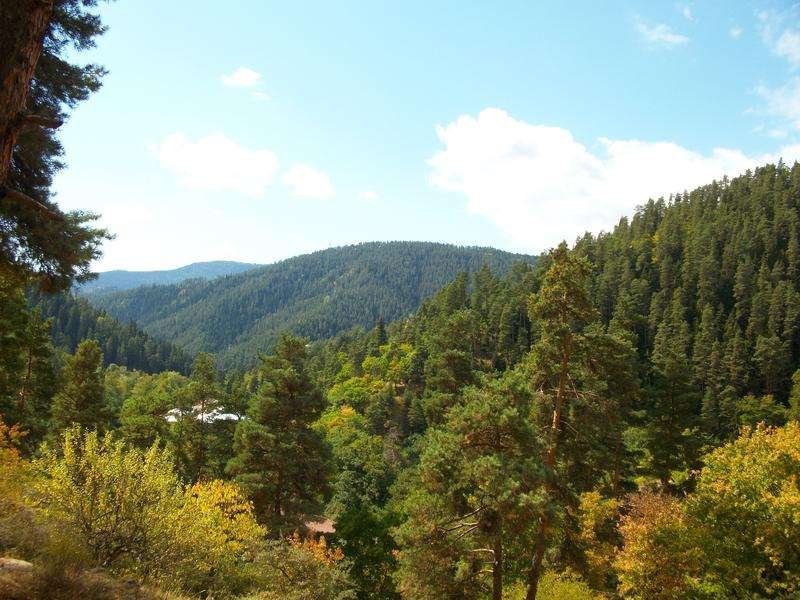
Ilto Managed Reserve lies at the mouth of the river of the same name, bordering the Batsara-Babaneuri protected areas to the east and forming part of the same administrative complex based in the town of Akhmeta. Unlike strict nature reserves, a managed reserve permits more forms of activity: botanical, educational and adventure eco-tours are possible here.
The reserve was created to protect and restore valuable forest ecosystems and animal habitats, from bear and lynx to chamois and otter. Ilto is only reachable by high-clearance vehicle, about 40 km from Akhmeta.
Mariamjvari: the World's Only Grove of Sosnowsky's Pine
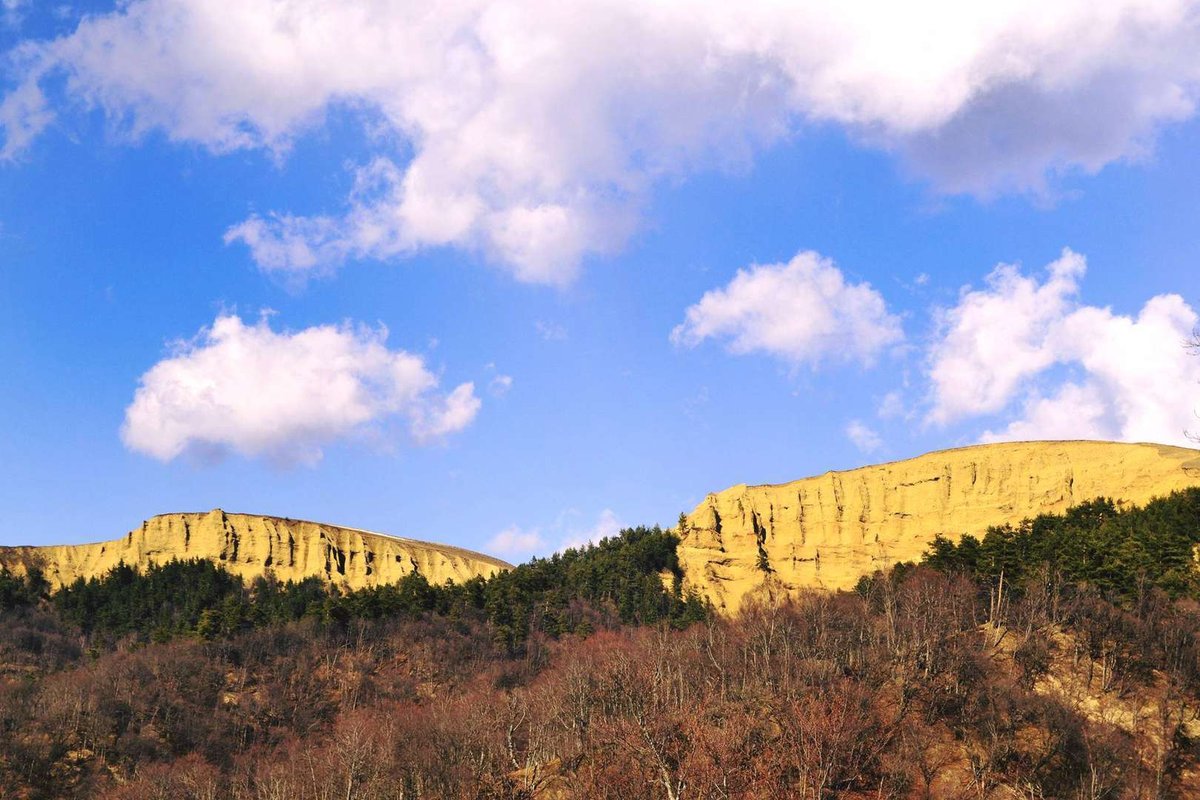
Mariamjvari Nature Reserve was established in 1935 on the southern slopes of the Tsivgombori Range, about 60 km from Tbilisi. It protects a unique relict grove of Sosnowsky's pine (Pinus sosnowskyi), a species found nowhere else in the world.
Small in area but scientifically significant, the reserve is classified as a strict nature area, with access limited and intended primarily for researchers. For a traveller, Mariamjvari is interesting more as a fact, a rare species of tree surviving on a single mountain slope, than as a place to walk.
🏜️ Steppe and Semi-Desert
Vashlovani: Semi-Desert and Mud Volcanoes on the Border
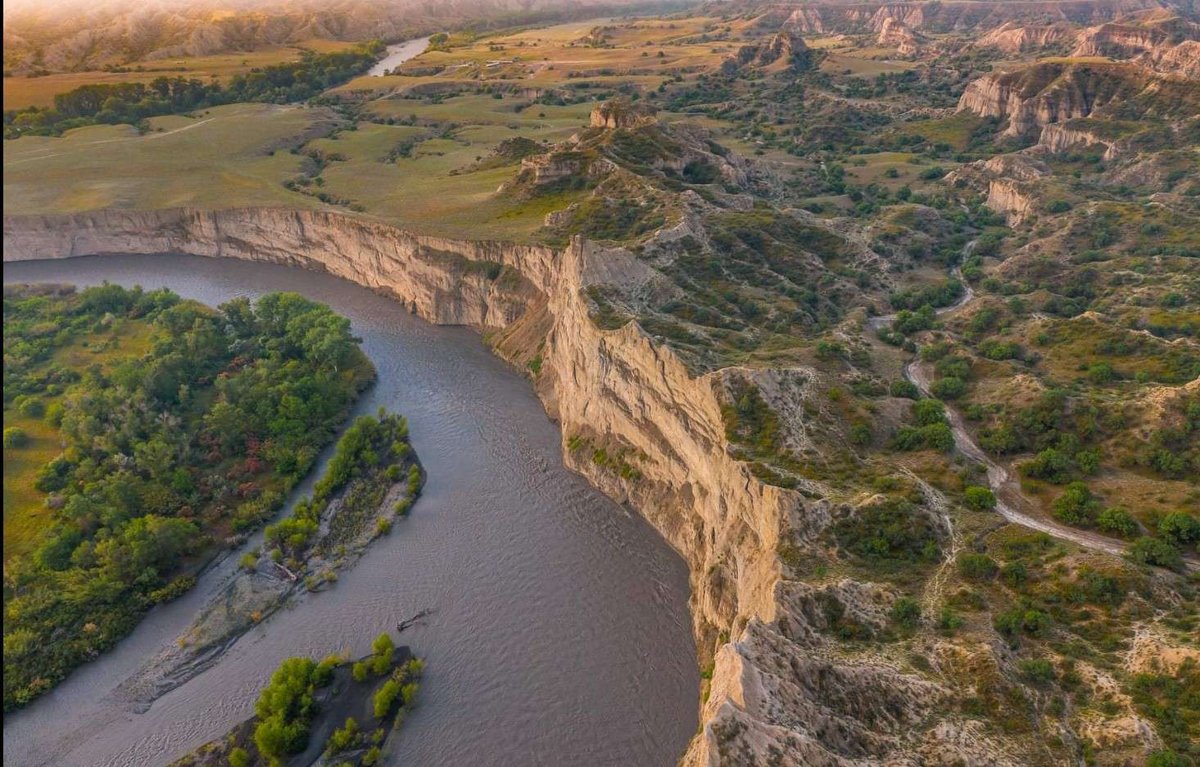
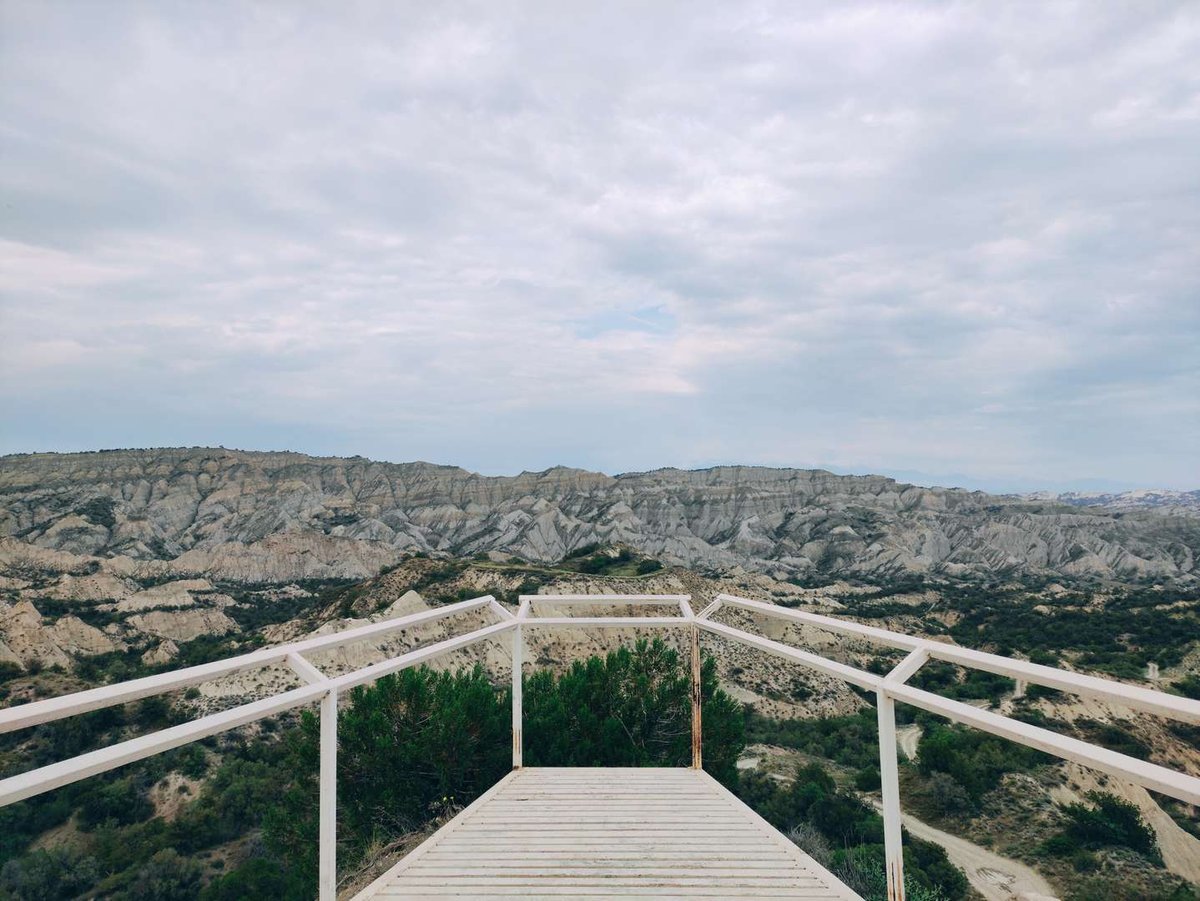
Vashlovani National Park, Kakheti's second true national park, holds one of the most unusual landscapes in Georgia. The territory, in Dedoplistsqaro municipality right at the border with Azerbaijan, first received protected status back in 1935, with its current national park status confirmed in 2003. The landscape is a sharp contrast to mountainous Kakheti: semi-desert, canyons, sparse woodland, and the famous Takhti-Tepa mud volcanoes.
The park is made up of several parts: the national park itself on the Azerbaijani border, a strict nature reserve, and several natural monuments. Eagle Gorge, one of those monuments, lies just half a kilometre north of Dedoplistsqaro, and the easy Eagle Valley route, 8 km long, is one of the most accessible ways to see the park in a single day. Vashlovani is home to striped hyena, Persian leopard and golden jackal, and its birdlife draws ornithologists from around the world.
Getting between trailheads requires a 4x4, and the best time to visit is spring or autumn: summer brings exhausting heat to the semi-desert, and rain turns the unpaved roads difficult to pass.
Chachuna: Riparian Forest Along the Iori
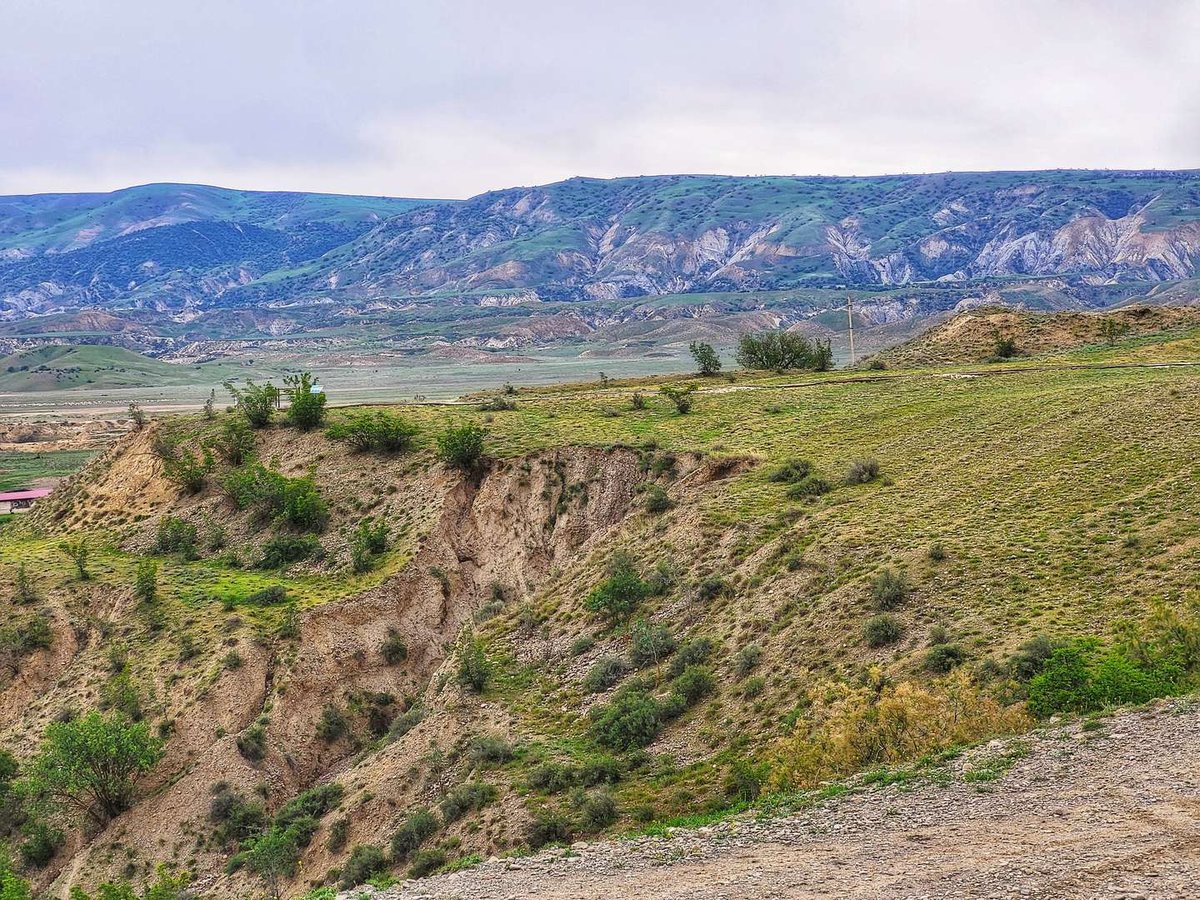
Chachuna Managed Reserve lies in the far south-eastern corner of Kakheti, in Dedoplistsqaro municipality, in the historic Kiziqi area, about 175 km from Tbilisi. The territory was created on the site of a former state forestry unit and covers 5,200 hectares.
Along the Iori River grows riparian forest of the tugai type, while the surrounding hills and terraces hold fragments of arid woodland, semi-desert and steppe vegetation. The reserve is home to as many as ten species of rare and threatened birds, making Chachuna a notable point on Kakheti's birdwatching map.
💧 Floodplain Forest
Iori: Floodplain Forest Near Sighnaghi
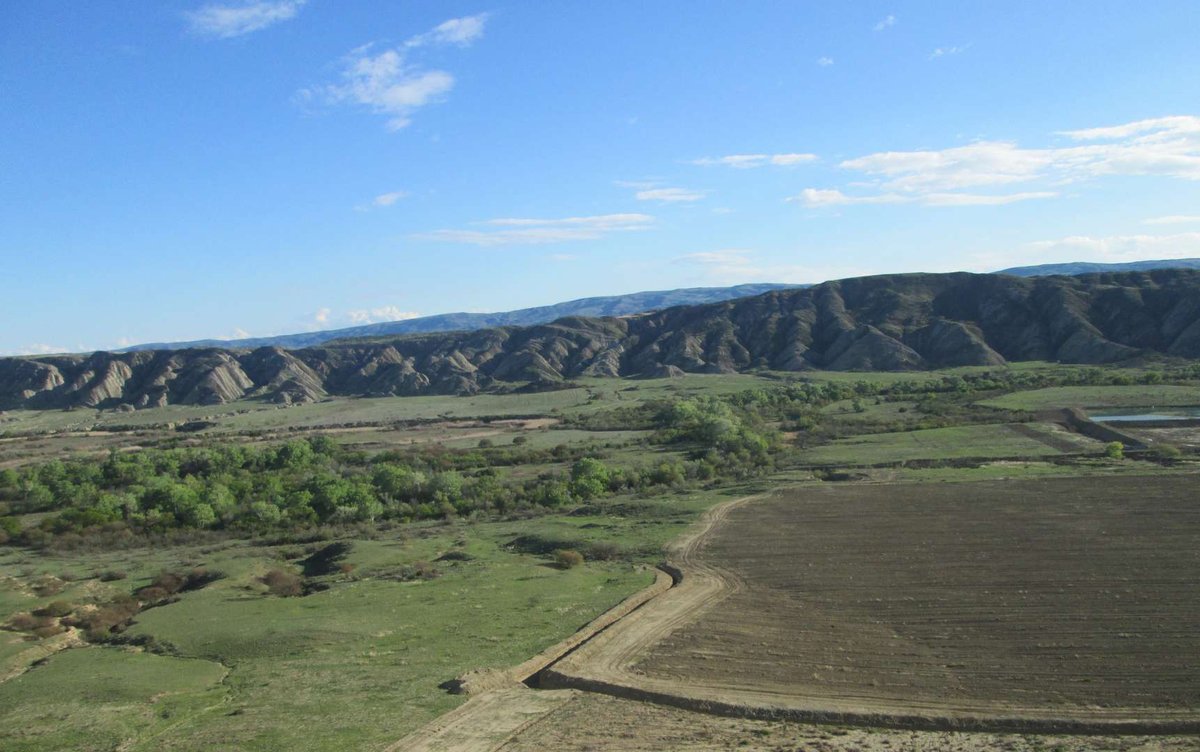
Iori Managed Reserve (sometimes spelled Izhri in older sources) lies in a historic area near the town of Sighnaghi and was established in 1965. It covers about 1,336 hectares. The valley of the river of the same name holds forest with rich vegetation, and farmland and pastures used by local livestock run along the reserve's borders.
The reserve's wildlife is varied: mammals include wild boar, wolf and otter, and birds include pheasant, francolin and chukar partridge. Among reptiles, the Mediterranean tortoise and the blunt-nosed viper have both been recorded here.
Korugi: a Managed Reserve in the Iori Valley
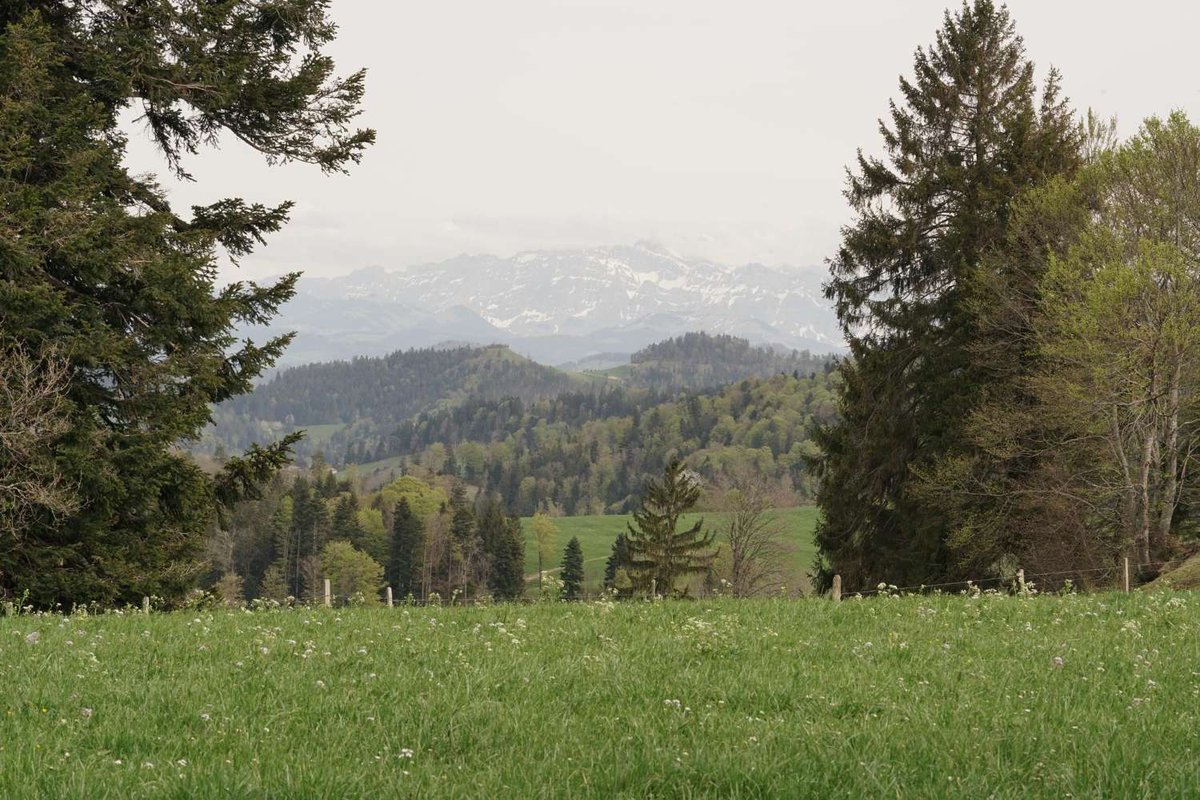
Korugi Managed Reserve lies in Sagarejo municipality, in the Iori valley, at the edge of historic Kakheti, and was established in 1996. It covers about 2,000 hectares. The territory borders Iori Reserve and continues the same natural complex along the Iori River.
Korugi's landscape and species composition closely resemble neighbouring Iori: floodplain forest giving way to drier terraces, and the wildlife typical of eastern Kakheti, from birds of prey to wild boar and jackal.
📋 Status and Access: Summary Table
📌 Before You Go
📄 Download the Offline PDF Guide
A location map, GPS coordinates for all 10 territories, access status, routes and a checklist. Works without signal on site.
Have you been to any of Kakheti's reserves or national parks? Tell us which territory left the strongest impression, the semi-desert of Vashlovani, the yew groves of Batsara, or the high country of Tusheti, and what's worth knowing for anyone just starting to plan a trip.
Information is current as of June 2026. Access rules, permits and seasonal restrictions for individual reserves can change, check with the protected areas administration before you go.
❓ FAQ
💬 Ten protected natural areas. Of these, only two, Tusheti and Vashlovani, officially hold national park status. The remaining eight are strict nature reserves (Lagodekhi, Batsara, Babaneuri, Mariamjvari) and managed reserves (Ilto, Chachuna, Iori, Korugi).
💬 Under Georgia's 1996 law, these are distinct protection statuses. A national park implies tourist infrastructure and relatively open access along marked routes. A strict nature reserve exists primarily for conservation and research, and visiting usually requires administration permission. A managed reserve sits in between.
💬 Lagodekhi Reserve, established in 1912, before the revolution, and still the oldest protected natural area in all of Georgia.
💬 Yes, at Vashlovani, in the region's south-east, right on the border with Azerbaijan. The landscape is a sharp contrast to mountainous Kakheti: semi-desert, canyons, sparse woodland, and the Takhti-Tepa mud volcanoes.
💬 In Batsara Reserve, home to relict Tertiary-period yew groves up to 700 years old, a stand of common yew with no equivalent anywhere else in the world.
💬 For Vashlovani and Chachuna, yes, a high-clearance vehicle is needed between trailheads. Ilto is also hard to reach without one. Tusheti and Lagodekhi are more accessible by regular car, though the road into Tusheti over Abano Pass is difficult and seasonal.
💬 The Iori, Korugi and Chachuna reserves are known for their bird diversity, including rare species. Vashlovani is also popular with ornithologists for its semi-desert and steppe species.
💬 No, this is a common mix-up. Gardabani lies within Tbilisi National Park in the Kvemo Kartli region, not Kakheti, though it's sometimes mentioned alongside the neighbouring Iori and Korugi reserves.

5 comments
Log in to leave a comment
ეს პარკები და ნაკრძალები განთქმულია, მაგრამ ეს ბუნების უხილავი ჯადოსნობა სრულიად სხვა დონის საქმეა.