



Add organization

Chiatura Local Lore Museum: History, Exhibits, and Visit

The Chiatura Museum of Local History is located in the Chiatura Cultural Center.

The museum houses over 13,000 exhibits, including bronze axes, spearheads, pins, and beads discovered during archaeological excavations in the Chiatura area and dating back to the 3rd millennium BC. Numismatic and ethnographic materials, including paintings and examples of applied art by local artists and craftsmen, photographs, and various documents, are also on display.

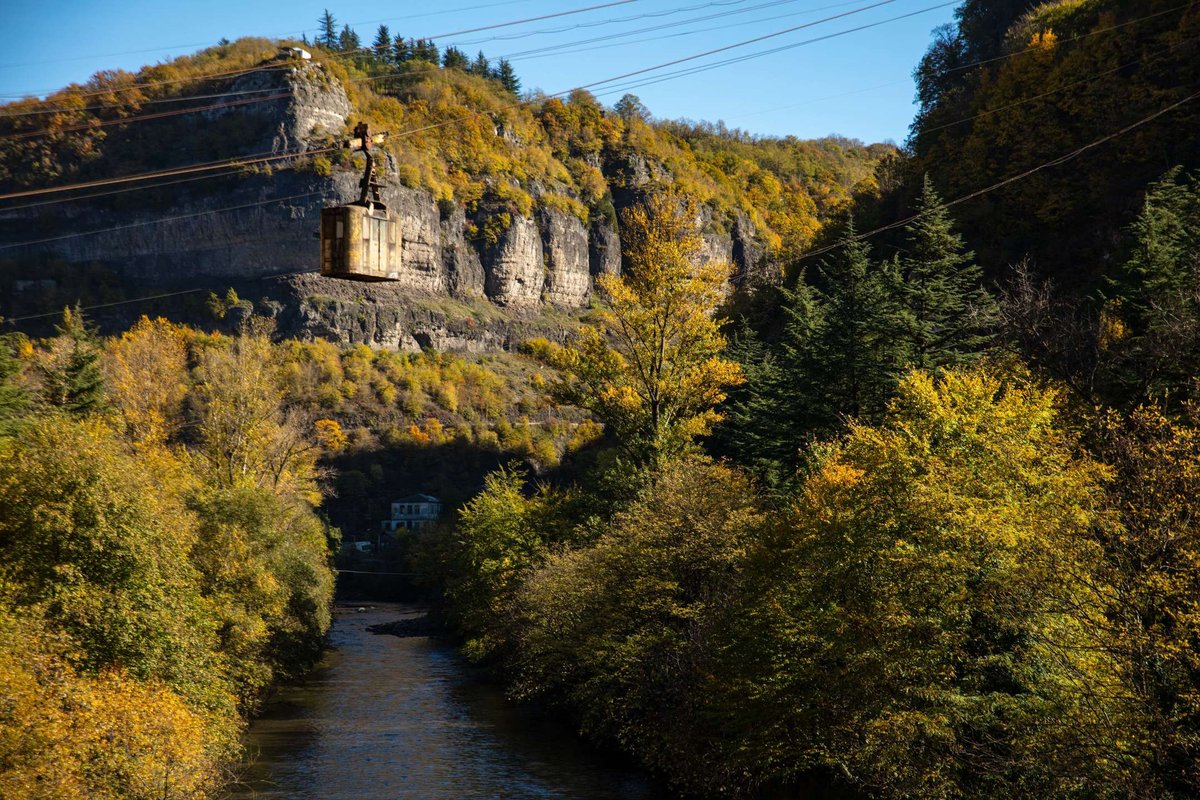
Of particular note are the materials documenting the discovery of manganese and its industrial development. Chiatura manganese was first discovered in 1846 by the German Hermann Abich, nicknamed the "Father of Caucasus Geology." In 1879, Akaki Tsereteli took charge of industrial manganese mining. In 1928, after the cancellation of the Harriman concession, the Chiatura Manganese Trust was established. In 1895, the first narrow-gauge railway was opened in Chiatura, and in 1900, the first freight cable car.

The Chiatura Museum of Local History is located in the town of Chiatura, located in the Caucasus region of Georgia. The museum was established in 1977, and since then, it has amassed over 13,000 exhibits reflecting the history and culture of the region.

Some of the most valuable items in the collection are bronze axes, spearheads, pins, beads, and other household items dating back to the 3rd millennium BC. These exhibits were discovered during archaeological excavations in Chiatura and provide unique evidence of the region's ancient history.

The museum not only preserves the material traces of Chiatura's history but also presents a wide range of arts and crafts. Here, you can see works by local artists and craftsmen reflecting traditional techniques and styles, as well as a variety of items made from local materials. Some of these are of great scientific and artistic value and can serve as objects of study for art historians, ethnographers, and historians.

One of the most interesting exhibits is the collection of numismatic materials. It features coins and other monetary units used in Chiatura and neighboring regions during various historical periods. These items not only reflect the economic history of the region but can also serve as a source of information for studying local trade relations and contacts with other peoples.

Hermann Abich, known as the "Father of Caucasus Geology," discovered manganese in the region, and Chiatura manganese became an important element of Georgia's economy. In 1879, Akaki Tsereteli took charge of industrial manganese mining, and in 1928, after the Harriman concession was cancelled, the Chiatura Manganese Trust was established.

Despite the significant role of manganese in the development of Chiatura, the region is also rich in other natural resources. In particular, deposits of minerals such as aluminum, iron, and gold have been discovered in Chiatura. Furthermore, the Chiatura Museum of Local History houses a rich collection of minerals and rocks, which attracts specialists from around the world.

Beyond its resources, Chiatura boasts other attractions. For example, in 1895, the first narrow-gauge railway was commissioned in Chiatura; it is still in operation and is one of the region's main tourist attractions. Chiatura also boasts several active waterfalls, attracting tourists with their beauty and grandeur.

An important element of Chiatura's culture is the traditions and customs of the people of this region. Many of these have survived to this day and are unique additions to Georgia's cultural heritage. Chiatura's historical monuments, including ancient churches and fortresses dating back to the Middle Ages, are also worth noting.
krayevedcheskiy-muzey-chiatura

The Chiatura Museum of Local History is one of the main attractions in the area. It contains a rich collection of exhibits reflecting the history of the town and its surrounding area, including archaeological finds, household items, documents, and photographs related to the lives and activities of local residents.

The Chiatura Museum of Local History is located in the historic building of the town's cultural center and is one of Chiatura's main attractions. The museum displays over 13,000 exhibits, including items found during archaeological excavations in Chiatura.

One of the museum's most valuable exhibits is a collection of bronze axes, spearheads, pins, and beads dating back to the 3rd millennium BC. These items testify to the existence of an ancient civilization in Chiatura that was skilled in the manufacture of high-quality metalwork.

The museum also displays examples of paintings and applied art by local artisans, demonstrating the high level of craftsmanship and creativity of the local people. Manganese mining plays a key role in the history of Chiatura and the surrounding area. The first manganese deposits in Chiatura were discovered in 1846 by the German geologist Hermann Abich. In 1879, Akaki Tsereteli took charge of industrial manganese mining, which generated enormous revenues for the Russian Empire.

Industrial manganese mining began in Chiatura and became one of the main economic sectors of the city and its surrounding area. In 1928, the Chiatura Manganese Trust was established, becoming the largest manganese company in the Caucasus.

An important part of Chiatura's history was the discovery of manganese in its territory. In 1846, the German geologist Hermann Abich discovered a manganese deposit here, and industrial mining began in 1879. Akaki Tsereteli, a native of Chiatura, led the industrial manganese mining industry and attracted investment to the region. In 1895, the first narrow-gauge railway was built in Chiatura, and in 1900, the first freight cable car. In 1928, after the Harriman concession was cancelled, the Chiatura Manganese Trust was established, overseeing manganese mining and processing in the region.

Although manganese mining was Chiatura's primary industry, the town is also rich in cultural and historical attractions. For example, the Chiatura Museum of Local History is an important part of the town's cultural life. Housed in the cultural center, it houses over 13,000 exhibits reflecting the history and culture of Chiatura. Among these are bronze axes, spearheads, pins, and beads discovered during archaeological excavations in Chiatura and dating back to the 3rd millennium BC, as well as numismatic and ethnographic materials, paintings and examples of applied art by local artists and craftsmen, photographs, and various documents.

One interesting fact about the history of Chiatura is that it is home to one of the oldest churches in Georgia—the Chiatura Monastery. It was founded in the 5th-6th centuries and then rebuilt in the 10th-11th centuries. The monastery is located on a mountain and offers stunning views of the surrounding area. It was founded in the 9th century and has undergone a long historical journey since then. In the 10th century, the monastery was destroyed by Arab invaders, but was rebuilt in the 11th century thanks to donations from the Georgian Queen Tamar. In the 17th century, the monastery was destroyed again, this time as a result of the war between Persia and the Ottoman Empire, but was restored again in the 18th century. In the 19th century, the monastery was extensively rebuilt in the Georgian Baroque style. Numerous icons and relics are preserved in the monastery, among which the cross of St. Nino and her skull are particularly notable.

The cross of St. Nino is one of the most significant Christian holy artifacts in Georgia. According to legend, Nino, who lived in the 4th century, brought the cross on which Jesus Christ was crucified to Georgia. The cross became a symbol of Christianity in Georgia, and its veneration is associated with many miracles and healings. The skull of St. Nino is also considered a holy artifact; it is kept in the monastery and is an object of veneration for believers. Gelati Monastery is also famous for its ancient manuscripts and books. It houses one of the oldest Georgian manuscripts, "Merilo Sakartvelo," written in the 10th century in the Georgian language and Georgian alphabet. This is the first Georgian work on geography and encyclopedia, describing Georgia's borders, as well as its customs, plants, animals, and famous figures. The monastery also houses numerous other ancient manuscripts, including illuminated ones. Gelati Monastery was founded in the 12th century by Prince David of Georgia, also known as David the Builder. This monastery is one of the main cultural and heritage monuments of Georgia and was inscribed on the UNESCO World Heritage List in 1994.

Gelati Monastery is renowned for its architecture, which combines elements of Georgian and Byzantine styles. The monastery contains numerous works of art, such as frescoes, icons, and wood carvings. Particular attention is given to the books housed in the monastery library, which are unique monuments of Georgian culture and literature.

Gelati Monastery also served as an important center of education and science. It was home to one of the oldest academies in Eastern Europe, the Gelati Academy, founded in the 12th century and operating until the 18th century. The Gelati Academy is known for its renowned scholars, such as George of Mephesus, a distinguished geometer and scholar of his time.

Besides its cultural and scientific significance, Gelati Monastery is an important religious center in Georgia. Thousands of pilgrims flock to the monastery annually to venerate its relics and express gratitude for its grace and blessing.

A visit to Gelati Monastery is a must for anyone interested in Georgian history and culture. Tourists can explore the monastery and learn about its rich history and heritage.

Please feel free to leave your comments and ask any questions below our article. Your opinion is important to us and we will be happy to answer all your questions!

Daria Kharchenko
By:

Daria Kharchenko

Post: Georgia Guide

Greetings! I'm Asya, a licensed guide, and your guide to the wonderful world of Georgia. I am delighted to show you the most vivid and memorable places of this…

Visit author

33 comments


Log in to leave a comment


  • E
    Emre Özdemir
    chiatura'nın geçmişi beni hep büyülemiştir. müze hakkında okuduğumda, 13.000'den fazla serginin olduğu düşünüldüğünde, buranın ne kadar derin bir tarih barındırdığını hayal edebiliyorum. bronz balta ve madenlerin keşfi, bölgenin endüstri tarihini o kadar canlı hale getiriyor ki, sanki o günleri yaşayıp o humuslu topraklarda yürür gibi hissediyorum. yerel sanatçılara ait eserlerin sergilendiği bu müze, geçmişle bugünü harmanlayan bir köprü gibi. chiatura'da bir gün geçirme hayali beni hep çekmiştir; belki bu müze onu gerçekleştirmemi sağlayacak. geçmişin sesleri hâlâ havada, onları duymaya hazır bir kalple gitmek gerek.
  • P
    Pauline Cruz
    The museum in Chiatura sounds like a remarkable place to visit, especially for those interested in history and archaeology. I'm particularly fascinated by the ancient artifacts such as the bronze axes and spearheads from the 3rd millennium BC. The focus on manganese history and its impact on the region's economy is also intriguing. It's wonderful to know there's a place dedicated to preserving and exploring the cultural and historical richness of the area.
  • Н
    Наталья Князева
    Чиатурский краеведческий музей впечатляет своим разнообразием экспонатов и захватывает внимание историей региона. Особенно интересно, что история марганца так подробно освещена. Хотелось бы больше узнать о роль узкоколейной железной дороги в развитии добычи марганца и как она повлияла на экономику города в то время. Есть ли какие-то материалы, которые иллюстрируют жизнь рабочих или предпринимателей в этот период?
  • T
    Tiko_Adventure
    Чиатурский краеведческий музей поражает разнообразием своих коллекций. Удивительно узнать, что здесь собраны археологические находки, которые относятся к III тысячелетию до н.э. Бронзовые топоры и наконечники копий открывают нам дверь в далекое прошлое. Важность промышленной добычи марганца под руководством Акакия Церетели действительно подчеркнута в экспозиции. История этой отрасли и строительство узкоколейной железной дороги вызывают гордость за наш регион. Приятно видеть, что музей активно занимается исследовательской деятельностью, сохраняя культурное наследие и привлекая туристов.
  • B
    BorisVx759g
    Каким образом музей занимается исследовательской работой? Было бы интересно узнать больше о конкретных проектах или публикациях, связанных с изучением археологических находок или этнографических материалов.
  • M
    Mark
    The Chiatura Local History Museum is a fascinating place to explore. It houses over 13,000 artifacts, with collections ranging from ancient archaeological finds like bronze axes and spearheads to beautiful paintings and ethnographic materials. The section about manganese history caught my attention, especially the part about Akaki Tsereteli's role in industrial mining and the establishment of the first narrow-gauge railway in 1895. The museum's commitment to research and preserving regional heritage makes it a cultural gem. Visiting there, I learned so much about the local traditions and historical landmarks, including ancient temples and churches.
  • კ
    კახე
    Чиатурский краеведческий музей всегда вызывает у меня гордость за нашу культурно-историческую наследие. Особенно впечатлили археологические находки, которые возвращают нас в глубину веков. Уникальна и история марганца в нашем регионе, когда такой известный деятель, как Акакий Церетели, начал развивать эту важную отрасль. Этот музей – место, где переплетаются геология и культура. Каждый экспонат словно рассказывает свою историю, и это делает посещение особенно ценным.
  • Д
    Диана
    Как архитектора, меня заинтересовала информация о строительстве узкоколейной железной дороги в 1895 году. Не слишком ли это рано для такой масштабной инженерной инициативы в регионе? Хотелось бы узнать больше о том, как тогда решались технические вызовы и кто был архитектором этого проекта.
  • ნ
    ნინა
    Чиатурский краеведческий музей удивляет своим богатством и многообразием коллекций. Узкоколейная железная дорога и добыча марганца показывают, как важна промышленная история для региона. Впечатляет количество экспонатов и внимание к археологии. Это место действительно важно для культуры и туризма Грузии.
  • A
    Adriana
    The Chiatura Museum sounds like a fascinating place to visit. The collection of over 13,000 artifacts, including ancient bronze axes and spearheads from the III millennium BC, is impressive. The focus on manganese history is intriguing—it's fascinating how it became a cornerstone for the region's economy. I also appreciate the museum's dedication to research and its role as a cultural and tourist hub. Learning about the city's archaeological treasures and historical monuments, like old temples and churches, would be an enriching experience.
  • Н
    Наталья
    Хотелось бы узнать, есть ли в музее интерактивные экспозиции или какие-то мероприятия для посетителей? Интересна роль Акакия Церетели в индустриализации региона — может, в музее проводятся лекции об этом?
  • ვ
    ვიოლეტა ვაშლაძე
    Какие из представленных археологических находок на ваш взгляд наиболее значимы для культуры региона, и как они помогают лучше понять историю Грузии?
  • Y
    Yann1sMiller
    Are there any guided tours available in the museum, especially concerning the archaeology and manganese mining history? Also, how accessible is the museum for non-Georgian speakers?
  • Ф
    Федор Волконский
    Заинтересовало разнообразие коллекций в музее: от археологических находок до произведений живописи. Особенно впечатлило внимание к истории марганцевой промышленности, важной части экономики региона. Отличная возможность глубже узнать культурное и историческое наследие Чиатуры.
  • Е
    Елена Дубровская
    Удивительная коллекция археологических находок впечатляет, особенно бронзовые топоры и наконечники копий, а также интересная история развития промышленной добычи марганца в регионе.
  • B
    Boston Irving
    It's fascinating how the museum not only showcases ancient archaeological finds but also delves into the history of manganese and its economic impact on the region.
  • D
    Damira
    Visiting the museum in Chiatura was a fascinating experience. I was particularly impressed by their extensive collection of archaeological artifacts that date back to the third millennium BC. The bronze tools and weapons truly showcased the rich history of the region. I was also intrigued by the exhibits on manganese mining, which played a significant role in the local economy. Learning about the contributions of Akaki Tsereteli and the historical narrow-gauge railway was enlightening. The museum is not just a collection of objects but a vital center for cultural and historical insights into the area.
  • D
    Damira
    Visiting the museum in Chiatura was a fascinating experience. I was particularly impressed by their extensive collection of archaeological artifacts that date back to the third millennium BC. The bronze tools and weapons truly showcased the rich history of the region. I was also intrigued by the exhibits on manganese mining, which played a significant role in the local economy. Learning about the contributions of Akaki Tsereteli and the historical narrow-gauge railway was enlightening. The museum is not just a collection of objects but a vital center for cultural and historical insights into the area.
  • A
    Anastasia
    ჩиатურის მუზეუმი საოცრად მრავალფეროვანია თავისი მდიდარი არქეოლოგიური და ეთნოგრაფიული კოლექციებით, რაც გვაძლევს უნიკალურ შესაძლებლობას გავეცნოთ ჩვენი რეგიონის ისტორიას. მაინტერესებს, ჩატარდება თუ არა უახლოეს პერიოდში რაიმე სპეციალური ღონისძიება ან გამოფენა, რომელიც უფრო დეტალურად გაგვაცნობს ჩიათურის მარგანეცის ინდუსტრიის ისტორიას? ეს თემა ძალიან საინტერესოა და ვფიქრობ, ბევრი სხვა დამთვალიერებელიც სიამოვნებით დაესწრებოდა ასეთ ღონისძიებებს.
  • A
    Anastasia
    ჩиатურის მუზეუმი საოცრად მრავალფეროვანია თავისი მდიდარი არქეოლოგიური და ეთნოგრაფიული კოლექციებით, რაც გვაძლევს უნიკალურ შესაძლებლობას გავეცნოთ ჩვენი რეგიონის ისტორიას. მაინტერესებს, ჩატარდება თუ არა უახლოეს პერიოდში რაიმე სპეციალური ღონისძიება ან გამოფენა, რომელიც უფრო დეტალურად გაგვაცნობს ჩიათურის მარგანეცის ინდუსტრიის ისტორიას? ეს თემა ძალიან საინტერესოა და ვფიქრობ, ბევრი სხვა დამთვალიერებელიც სიამოვნებით დაესწრებოდა ასეთ ღონისძიებებს.
  • Y
    Y. Ellesmere
    Does the museum offer guided tours in English for those of us who don't speak Georgian or Russian? It would be fascinating to learn more about the archaeological finds and the history of manganese mining from a knowledgeable guide.
  • ზ
    ზაზა ცხვედიანი
    მუზეუმში წარმოდგენილი მასალის დათვალიერებისას საინტერესო იქნებოდა, თუ როგორია ჩიათურის ქანდაკებებისა და არქიტექტურული ძეგლების კოლექცია. არის თუ არა დეტალური ინფორმაცია ამ საკითხებზე წარმოდგენილი მუზეუმში? ასევე, გამიკვირდა, რატომ არ არის უფრო დეტალურად განხილული მარგანეცის ისტორია ცნობილ არქეოლოგიურ კონტექსტში. იქნებ არსებობს სხვა საინტერესოსწყაროები აქედან მოპოვების შესახებ?
  • A
    Anna Mikhailovna
    Недавно посетила Чиатурский краеведческий музей и была впечатлена тем, как бережно сохраняют в нем историю региона. Археологические находки, особенно бронзовые топоры и наконечники копий, потрясают воображение и переносят в древние времена. Интересно было узнать о значении марганца для экономики Грузии и о роли Акакия Церетели в этом процессе. Экспозиции, посвященные местной культуре и ремеслам, позволяют лучше понять традиции и искусство региона. Порадовало, что музей занимается еще и исследовательской работой, ведь это помогает сохранять и развивать знания о нашем общем прошлом.
  • E
    Elvina
    Чиатурский краеведческий музей – это настоящая сокровищница истории региона. Бронзовые артефакты, нумизматическая коллекция, работы местных мастеров – все это помогает погрузиться в прошлое и ощутить дух Чиатуры. Интересно, что музей также уделяет внимание развитию промышленности, особенно добыче марганца, которая сыграла важную роль в истории города. Отличное место для тех, кто хочет узнать больше о культурном и историческом наследии Грузии.
  • О
    Ольга
    Краеведческий музей Чиатура — это настоящая сокровищница истории и культуры региона. В его экспозиции представлено богатое разнообразие экспонатов, отражающих жизнь и традиции местного населения на протяжении веков. Здесь можно увидеть предметы быта, одежду, украшения, документы и фотографии, которые рассказывают о прошлом Чиатуры и её жителей. Особое внимание уделяется искусству и ремеслам региона — вы сможете оценить мастерство местных художников и ремесленников.
  • А
    Аделина
    Эта статья прекрасно раскрывает богатство и уникальность музея, расположенного в Чиатуре. Читая её, я прониклась глубоким уважением к историческому наследию и культурным традициям Грузии, которые музей так чудесно сохраняет и представляет. Великолепно, как автор описывает экспозиции и события, происходящие в этом удивительном месте. После прочтения возникает искреннее желание посетить его и лично погрузиться в атмосферу прошлого. Большое спасибо за такой интересный рассказ!
  • a
    alinakus1095
    Любого любителя истории привлечет краеведческий музей Чиатуры. Здесь собраны предметы быта, документы, фотографии- все это рассказывает о жизни народа. Изюминкой музея является коллекция топоров, датированных III тысячелетием до нашей эры.
    Отличное место, чтобы познакомиться с историей Грузии!
  • y
    yshorts0.078
    Статья о Краеведческом музее Чиатуры представляет этот интересный музей в Грузии. Краеведческий музей Чиатуры позволяет посетителям погрузиться в историю и культуру этого региона. Это отличная возможность узнать больше о традициях, промышленности и архитектуре Чиатуры. Рекомендую посетить этот музей всем, кто интересуется местной историей и желает расширить свои знания о Грузии.
  • g
    gjfroksit228
    Интересная статья, про музей Чиатура, замутил небольшую опечатку в тексте "хранит у себя более тринадцати тысяч самых" наверное автор имел ввиду в себе*, исправьте пожалуйста, а в целом очень интересный музей, который хранит в себе бронзовые топоры, наконечники копий, булавки, бус и многое другое времен до нашей эры
  • g
    galina.gurikova
    Интересный такой себе музей: и экспонаты посмотришь, и на историческую канатную дорогу. Я думаю предметы археологических раскопок не всех заинтересуют. Подобных экспонатов и музеев много. А вот про добычу марганца, узкоколейную дорогу и канатную грузовую дорогу будет интересно всем узнать. А интересно, на канатной дороге сейчас катают? Я бы с удовольствием проехала. Наверняка там открываются красивые виды.
  • b
    bikteeva94
    Очень красивое здание музея, сразу видно что это культурная достопримечательность! Чиатурский краеведческий музей хранит у себя более тринадцати тысяч самых разнообразных экспонатов, вживую их можно посмотреть в любое время года, поэтому обязательно приезжайте туда. Спасибо автору за статью!
  • b
    bikteeva94
    За стенами краеведческого музея в городе Чиатура находятся более тринадцати тысяч самых разнообразных экспонатов: бронзовые топоры, наконечники копий, булавки, бусы (которые датированы третьим тысячелетием до нашей эры)! Музей расположен в здании культурного центра Чиатура. Приходите, здесь есть на что посмотреть)
  • И
    Ира
    Если изъясняться кратко, то в музее хранятся более 13000 экспонатов, среди которых следует выделить обнаруженные в результате археологических раскопок на территории Чиатура и датированные III тысячелетием до н.э. бронзовые топоры, наконечники копий, булавки, бусы, а также нумизматические и этнографические материалы: произведения живописи и образцы прикладного искусства местных художников и мастеров, фотоматериалы, разнообразные документы.