




Merab Kostava House Museum: History and Exhibits
🏠 House-Museum · ⏱️ 45–90 minutes · 📍 1 Zandukeli St (near Rustaveli Metro Station)
🎹 What You Need to Know Before Visiting
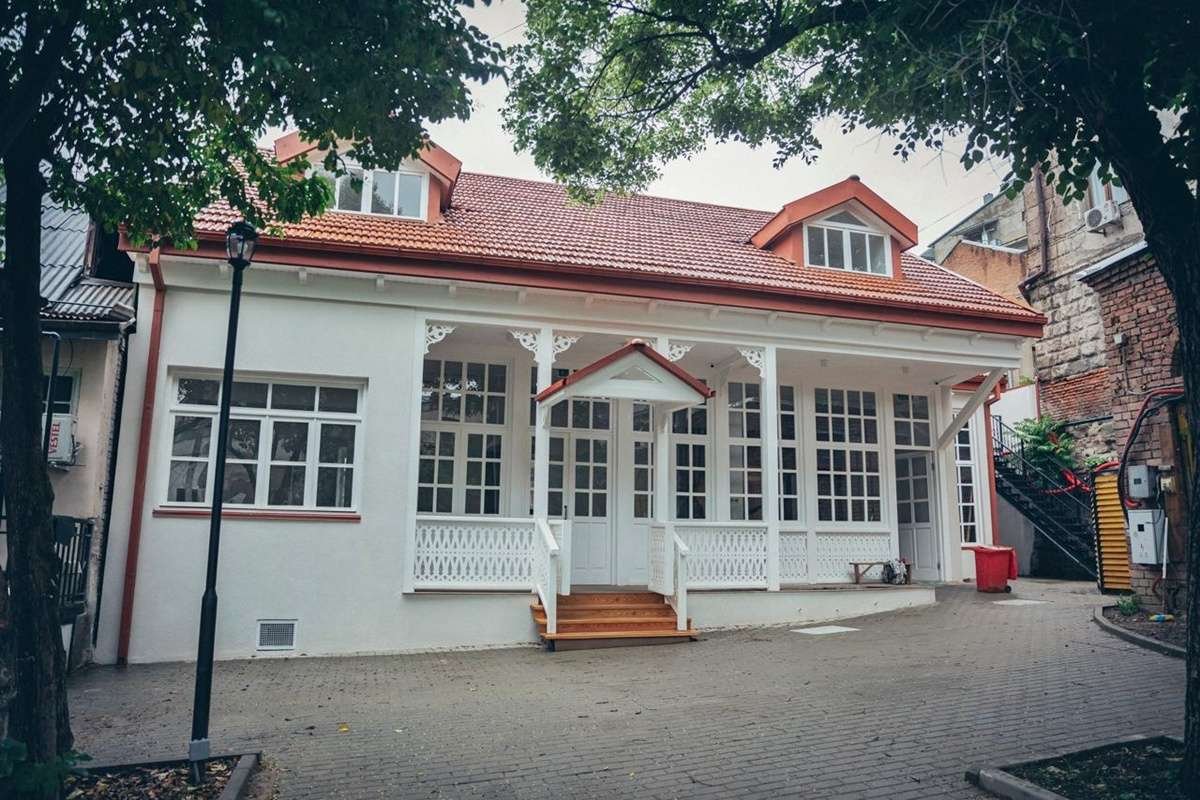
| 📍 Address | 1 Zandukeli St, Tbilisi. Between the Rustaveli monument and McDonald's. Entrance through the small garden |
| 🚇 How to get there | Rustaveli metro station, 2–3 minutes on foot. There is no sign outside, but there are posters near the entrance |
| 💰 Admission | Free |
| 🏠 Museum | A small house with a garden. 2 rooms: one living area, the other an imitation of a prison cell |
| 🎓 Tours/Lectures | Tue–Fri at 15:00: "Secret Letters", "Time Travel", "History of the Printing Press", "Flags Tell Stories" |
| 🕐 Opening Hours | Please verify before visiting |
🧭 Who This Article Is For
The Merab Kostava Museum is not for everyone. The curators themselves put it this way: "it's rather for locals." Foreigners know almost nothing about it unless they are specifically interested in the history of Georgia's struggle for independence. But that is exactly the point: spending two hours in this small house will give you a deeper understanding of what independence meant to Georgians than any standard tourist route. This article is for those who want to touch real history, not just the postcard version of the country.
👤 Who Was Merab Kostava
Merab Kostava (1939–1989) was one of the key figures in the Georgian independence movement. A musician, writer, poet, director, and human rights activist—all combined in one person who spent most of his adult life in Soviet prisons and exile.
Together with Zviad Gamsakhurdia, he became a co-founder of the Georgian Helsinki Group in 1977—an organization that openly challenged Soviet authority by publishing information about human rights violations. Both were arrested for this.
The 1977 arrest: three years of imprisonment, three years of exile. The 1982 arrest: another four years in prison and two years of exile. In total, more than ten years of deprivation of liberty.
After his release in 1987, he returned to active public life. Shortly before Georgia declared independence, Merab Kostava tragically died on October 13, 1989, in a car accident in the Zestafoni district. He was 50 years old. He never lived to see the independence he fought for.
🏠 The House: Small but Meaningful
The house at 1 Zandukeli St is neither a palace nor a mansion. It is indeed a small two-room dwelling with a garden where Kostava lived and worked. The entrance is through the veranda. It is quiet, free from tourist crowds, and away from the hustle and bustle.
The Living Room
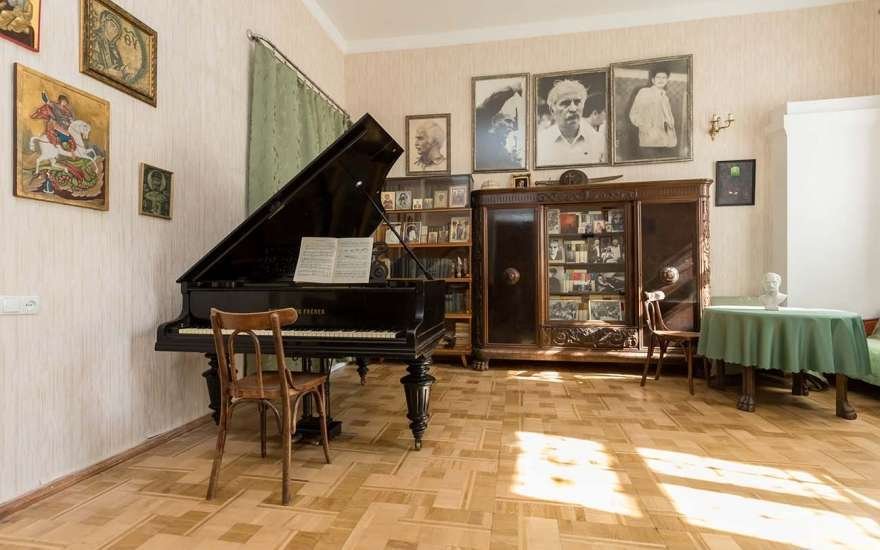
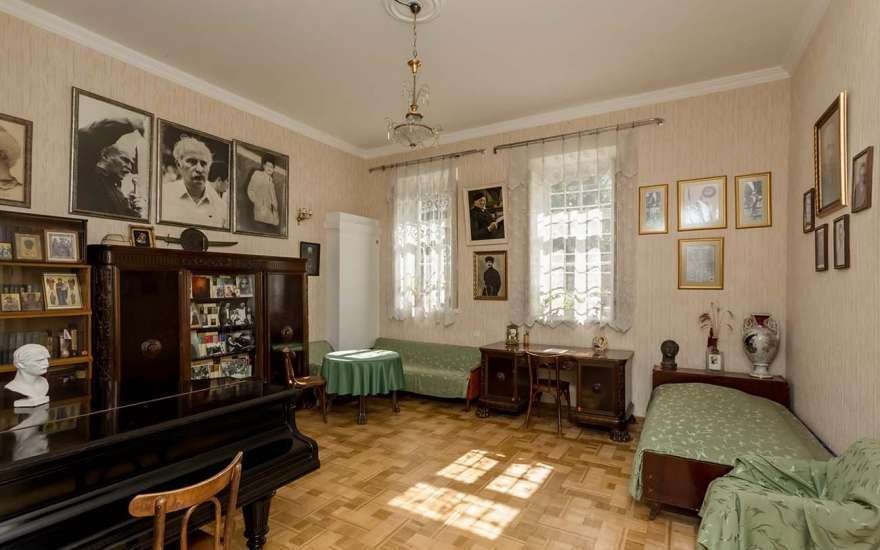
Traditional furniture, bookshelves, paintings, and photographs on the walls. The setting reflects the lifestyle of an educated Soviet Georgian with deep cultural roots.
The central exhibit is the piano. Merab was a serious musician who loved Chopin, Beethoven, and Schubert. His interest in music was not superficial—according to recollections of his contemporaries, he played with genuine inspiration.
The same room houses Kostava's manuscripts, underground newspapers (the very ones he was imprisoned for), photographs from various periods of his life, and personal belongings.
The Prison Room
The second room is styled as a prison cell—faithfully recreating the conditions of Soviet confinement. This is not an artistic choice for atmosphere; it is a document. The room reflects the reality that Kostava endured: bare walls, a complete lack of personal space, and total isolation.
Those who come to the museum out of mere curiosity often leave with a completely different feeling—precisely because of this room.
Try to catch one of the themed lectures that take place Tuesday through Friday at 15:00. We especially recommend "Secret Letters"—a story about how dissidents passed information past censors during the Soviet era. After hearing it, the manuscripts and underground newspapers in the exhibition are perceived in a completely different light. The guides know about Kostava firsthand—it's not just a retelling of Wikipedia.
🗺️ How to Find the Museum
1️⃣ Exit the "Rustaveli" metro station and walk towards Rustaveli Avenue.
2️⃣ Find the Shota Rustaveli monument and the nearby McDonald's. The street you need—Zandukeli—runs between them.
3️⃣ Enter the garden. There is no sign outside—look for the posters near the entrance.
4️⃣ Entrance is through the veranda. Admission is free.
5️⃣ If you want to attend a lecture, come between Tue–Fri by 15:00. It is recommended to check the current schedule in advance.
💬 What Visitors Say
"This museum is truly a special place! Although it is small and modest, the atmosphere is dense with history. I especially liked the piano and the rooms that capture the spirit of the time. I didn't know he was such a multifaceted person: a musician, a writer, and a political figure."
"I want to visit this museum in person and experience its atmosphere. The walls remember that Merab Kostava lived and created here."
"Styling the room as a prison cell feels like a powerful reminder of a difficult past. It is very touching that his love for music has been so carefully preserved."
"Even though it is small and modest, it is house-museums like this that create that special feeling of a person's presence. The piano, the books, the photographs—everything here works toward a single purpose."
🏁 Why You Should Go
The small house at 1 Zandukeli St holds a history that is hard to find on official Tbilisi tourist routes. This is not Narikala or the sulfur baths. This is a place where—through a piano, underground newspapers, and a prison room—the story of what it meant to fight for independence in Soviet Georgia is told in a very tangible way. Admission is free. There are almost no tourists. The guides know the history from the inside. In an hour and a half here, you can understand more than you would from many books.
ℹ️ Admission to the museum is free. Lectures are held Tuesday–Friday at 15:00—please verify the current schedule before visiting. The museum is located at 1 Zandukeli St. There is no sign outside, entrance is through the garden between the Rustaveli monument and McDonald's. Information is accurate at the time of publication.
Have you been to the Merab Kostava House-Museum? What left the biggest impression on you—the piano, the prison room, the underground newspapers, or the story from the lecture? Tell us—we read all the comments ❤️
❓ Frequently Asked Questions
💬 Address: 1 Zandukeli St, near Rustaveli metro station. To find the entrance, you need to walk between the Shota Rustaveli monument and the McDonald's building. The entrance is through a small garden; there is no sign outside, but there are posters at the entrance.
💬 Merab Kostava (1939–1989) was a Georgian musician, writer, poet, and human rights activist, one of the leading figures in Georgia's struggle for independence. Together with Zviad Gamsakhurdia, he founded the Georgian Helsinki Group in 1977. He spent more than 10 years in Soviet prisons and exile. He died in a car accident in 1989—shortly before Georgia's declaration of independence.
💬 Merab Kostava was arrested several times by Soviet authorities and spent a total of more than 10 years in confinement and exile. The prison room in the museum is a documentary recreation of his detention conditions, not an artistic device. For many visitors, it is this room that leaves the strongest impression.
💬 Admission is free for all visitors.
💬 Yes. Guided lecture-tours are held Tuesday–Friday at 15:00 on the following topics: "Secret Letters", "Time Travel", "History of the Printing Press", and "Flags Tell Stories". Please check the current schedule before your visit.
💬 A piano (Merab was a musician who loved Chopin, Beethoven, and Schubert), Kostava's manuscripts, underground newspapers of the Soviet period, photographs from different years, and personal belongings. One room is a living area with traditional furniture and books, while the second is a recreation of a prison cell.
💬 It is worth it—in fact, that's exactly when you should go. The museum is small (two rooms) but concentrated. The lecture-tour provides clear context for those who are just beginning to learn about the history of Georgia's struggle for independence. It is most interesting for those who want to understand the country beyond standard tourist routes.
💬 The main tours are conducted in Georgian and Russian. It is recommended to check the availability of English-speaking guides in advance directly with the museum.

33 comments
Log in to leave a comment