






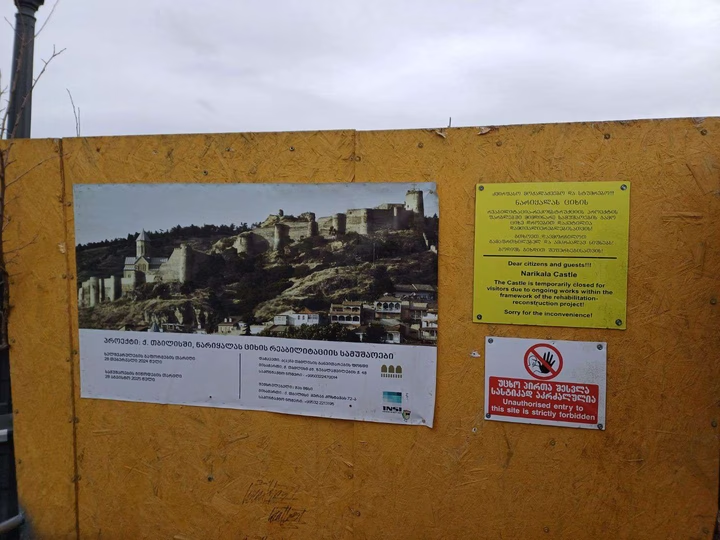
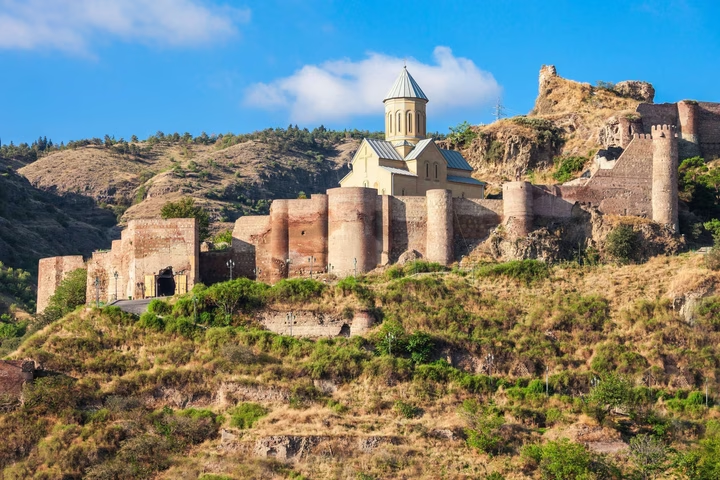
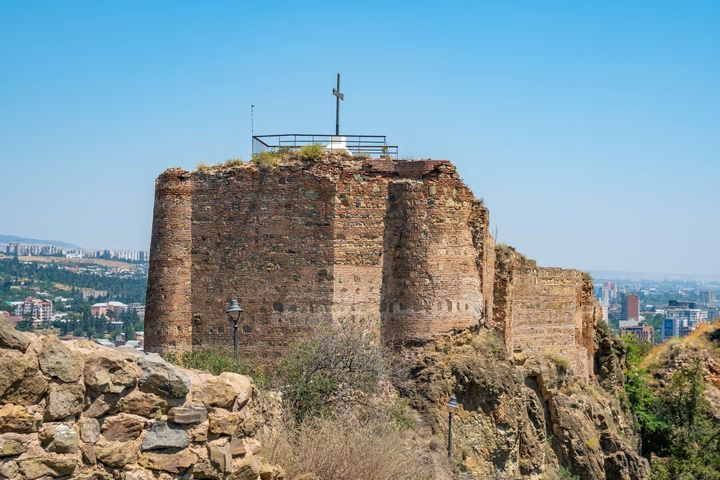

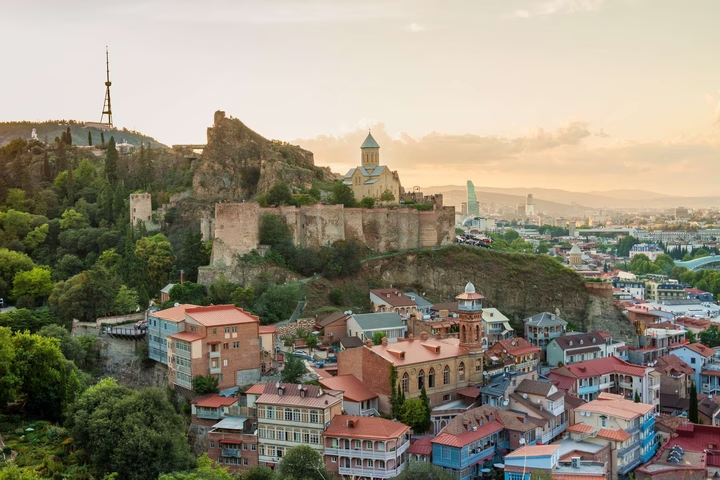

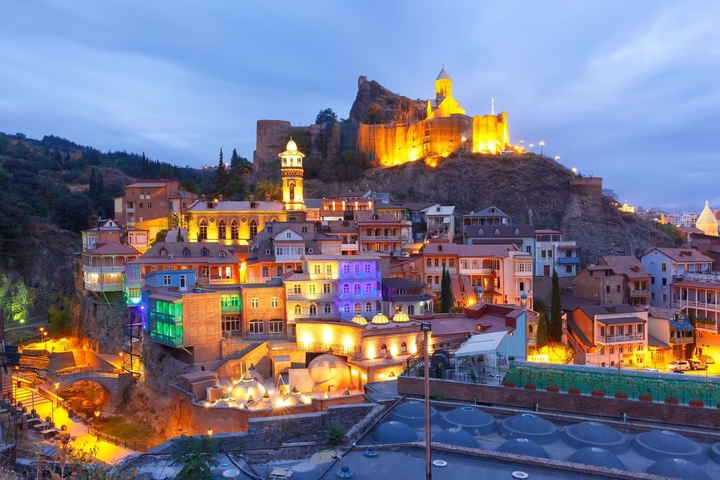
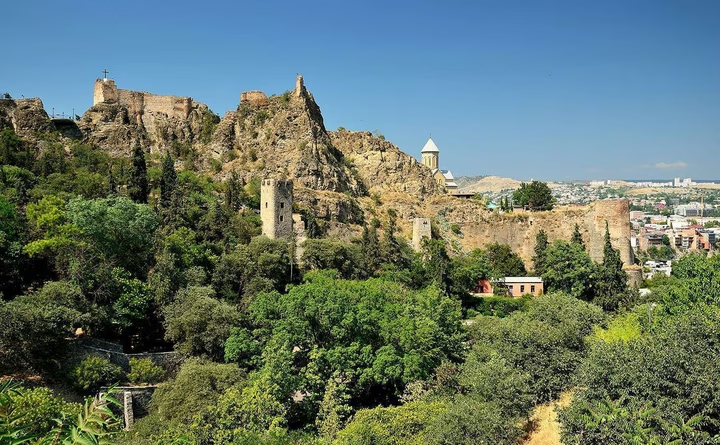
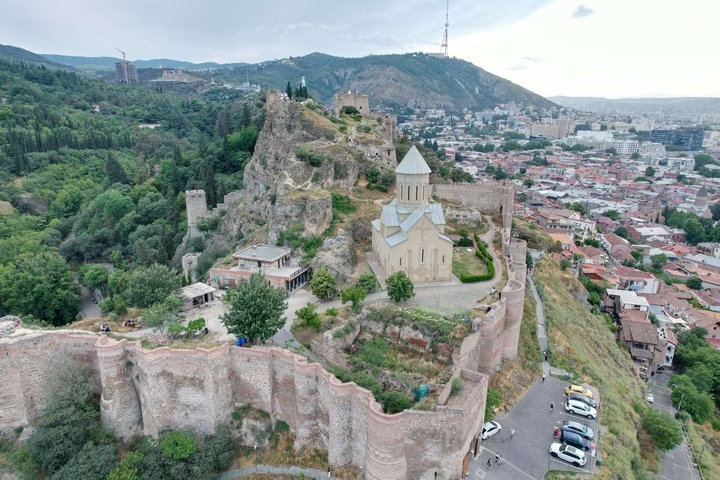
When traveling to Georgia, do not miss the opportunity to visit the Narikala fortress, located in a picturesque corner of Old Tbilisi. This majestic fortress complex, rising on the right rocky bank of the Kura River, is evidence of the centuries-old history and culture of Georgia.
The history of the fortress goes back centuries, until the 4th century, when it was known as Shuris-Tsikhe, which means “rival fortress.” In the era of late feudalism, Narikala, originally the name of the lower tower, came to designate the entire citadel. Under the control of David the Builder, the famous Georgian king, the fortress was significantly strengthened and expanded.
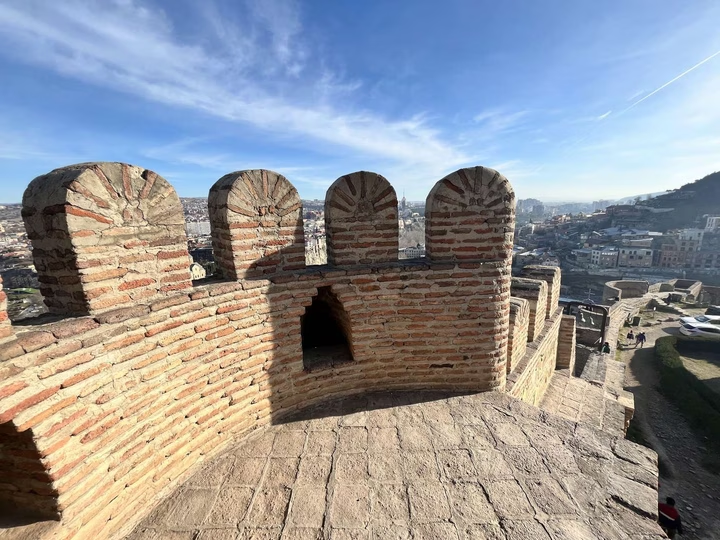
In the 16th-17th centuries, the fortress underwent reconstruction, giving it a unique appearance. A visit to the fortress is especially interesting because of its majestic walls, which descend to the river, creating, together with the Metekhi fortress on the left bank, a dominant position in the region.
Despite the fact that in 1827 the explosion of a gunpowder warehouse caused serious damage to the fortress, it still remains an important part of the historical heritage of Georgia. Among the surviving elements are part of the 16th-century Istanbul Tower, the skeleton of the Shakhtakhti tower fort, as well as other historical buildings.
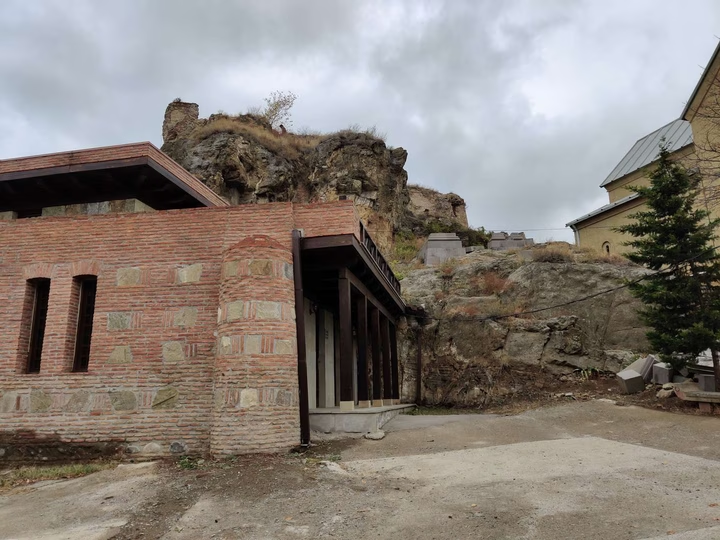
In 1996-1997, restoration attempts were made, during which the Church of St. Nicholas, dating from the 12th century, was restored. These efforts highlight the fortress's significance as a cultural and historical symbol.
For the convenience of tourists, a cable car is stretched to Narikale from Rike Park, offering stunning views of the old city. This is a great opportunity to see the beauty of Tbilisi from a bird's eye view and truly feel the spirit of ancient Georgia.
A visit to the Narikala fortress is a journey into history that will leave an unforgettable impression and allow you to better understand the culture and traditions of Georgia.

