




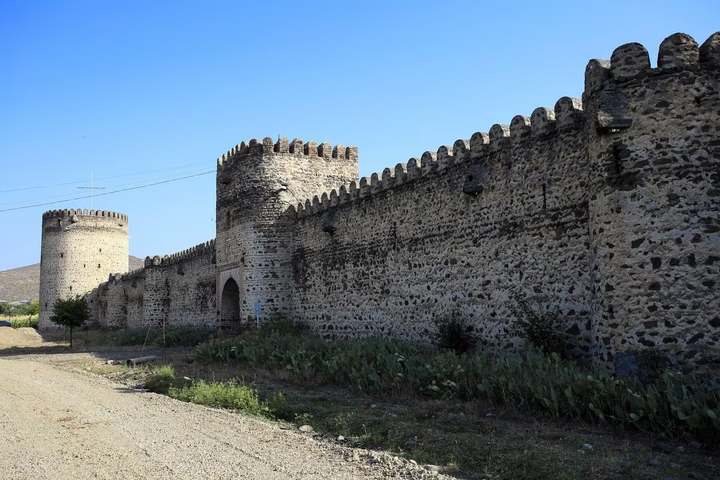
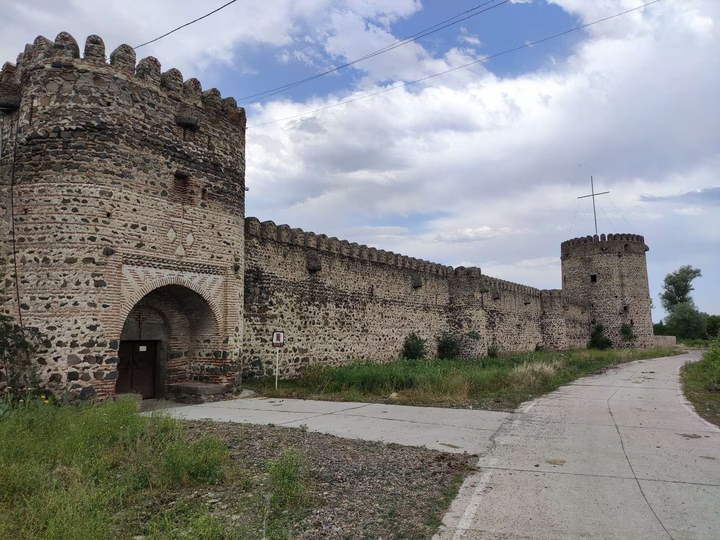
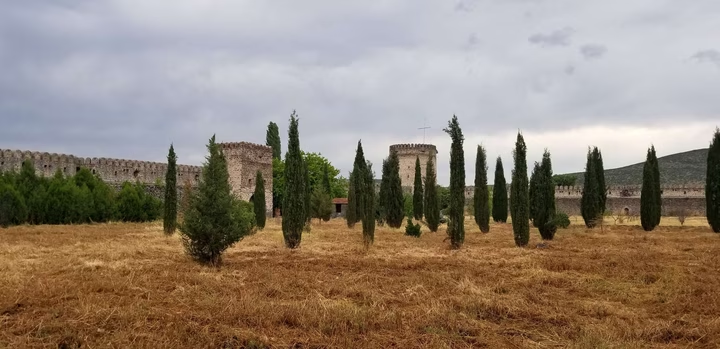
In the picturesque region of Kvemo Kartli, among centuries-old hills and historical villages, rises the unique Kolagiri Fortress, also known as Tsurtavi Fortress or Queen's Fortress. This majestic structure was erected by Queen Darejan in the period from 1788 to 1798, during difficult times when Kvemo Kartli overcame difficult trials. Built to protect the Christian population from oppression, the fortress becomes a testimony of strength and strategic importance.
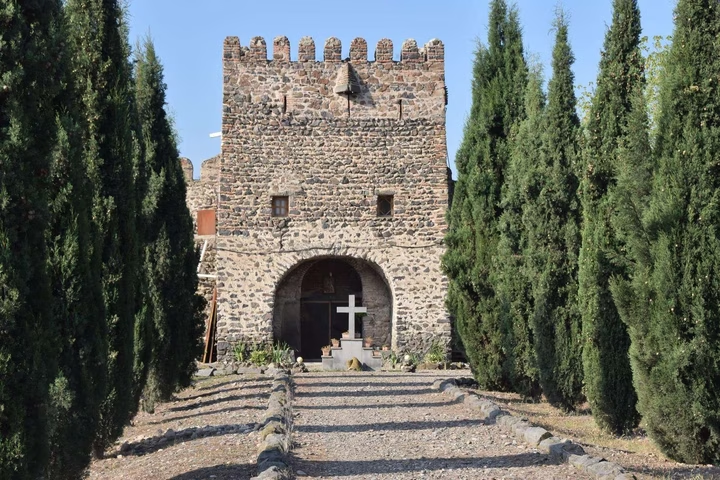
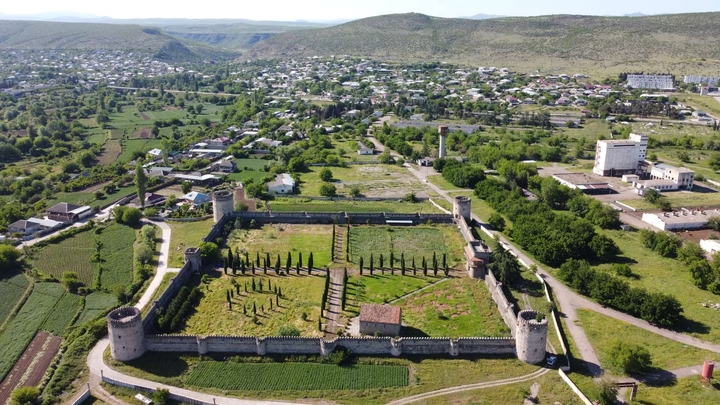
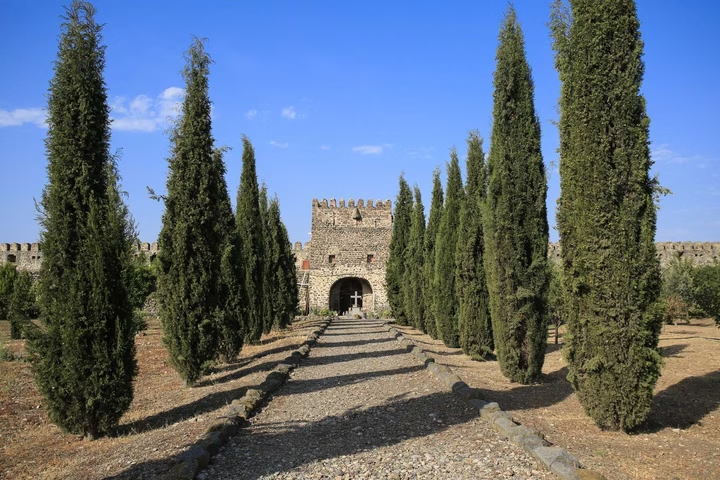
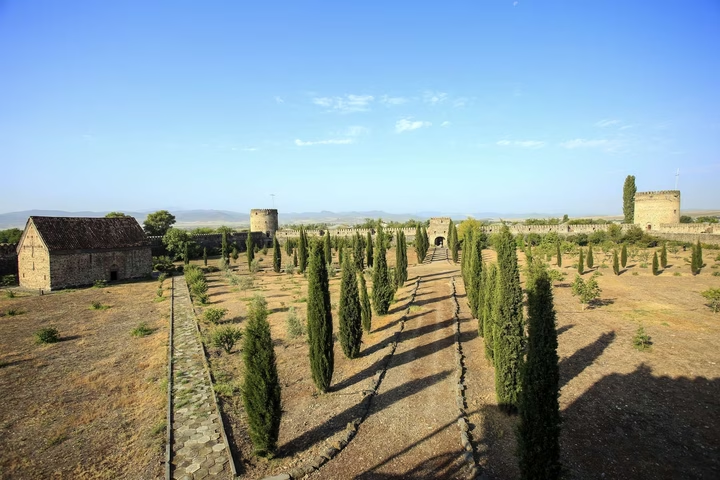
Architecturally stunning, the Kolagir Fortress is a square structure covering a vast area. The main entrance, decorated with exquisite lion carvings and diamond-brick designs, is located in the center of the north-east wall. At the opposite end of the fortress there is a second entrance, creating a majestic impression as you approach.
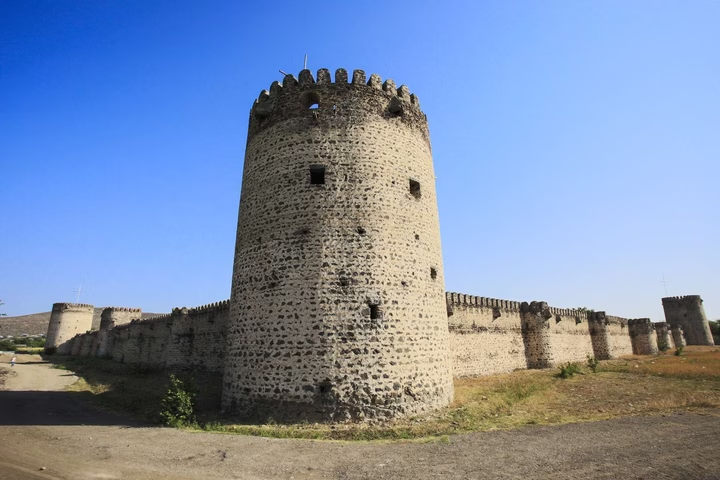
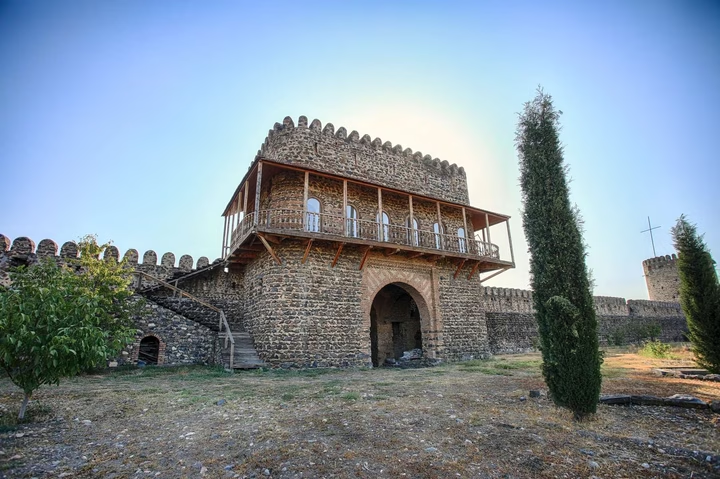
The walls of the fortress fence are double-leveled: the first tier is blank, the second serves as a battle path and a defensive wall. The corner towers, majestic four-story round and three-story rectangular, became not only living quarters, but also places of battle. With fireplaces and latrines inside, these towers represent a combination of comfort and military strategy. Loopholes, embrasures and cannon muzzles fill the fortress with elements of defense.
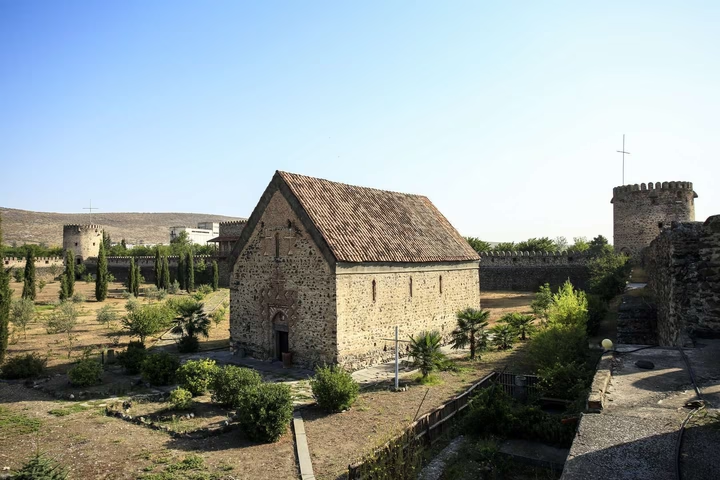
However, with the beginning of the 19th century, the Kolagir fortress lost its original function and became the place for a new beginning - a convent named after the Holy Queen Ketevan is located on the territory of the fortress. This place is not only the embodiment of history and military architecture, but also a source of spiritual inspiration, inviting everyone who wishes to feel a connection with the past and present.
So if you are looking for an immersion in history, admiring architectural splendor and seeking spiritual inspiration, a visit to the Kolagiri Fort is your gateway to an incredible journey through centuries and cultures.

