




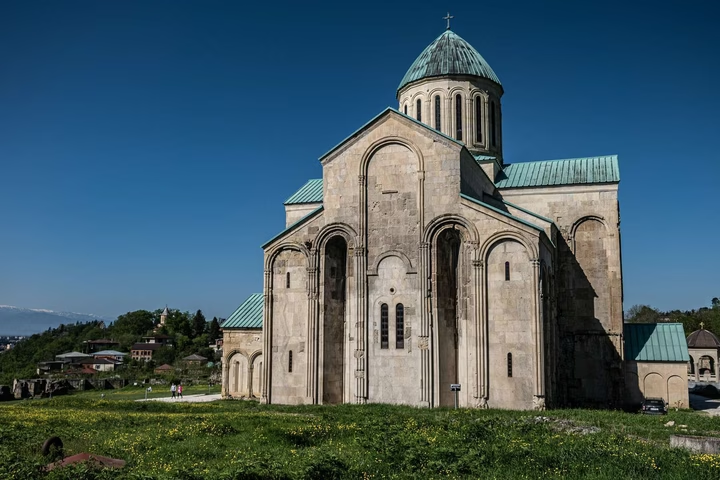

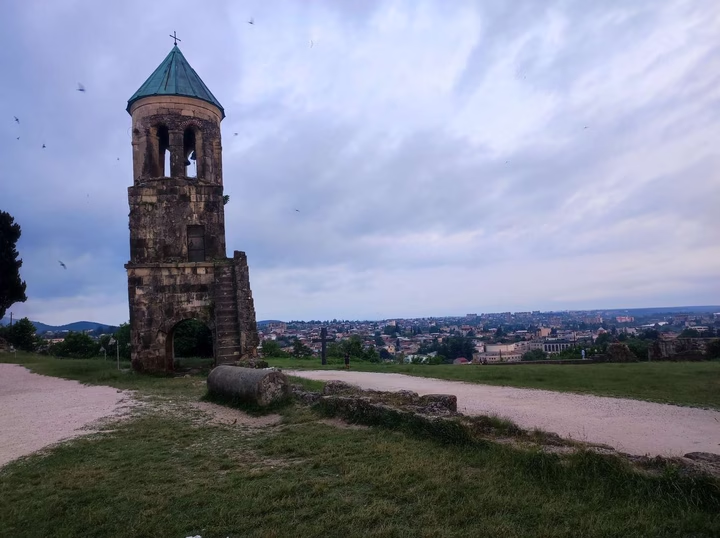
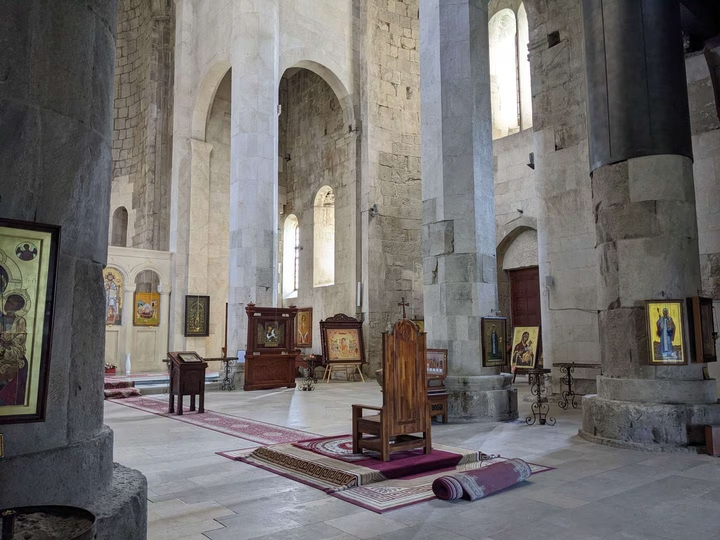

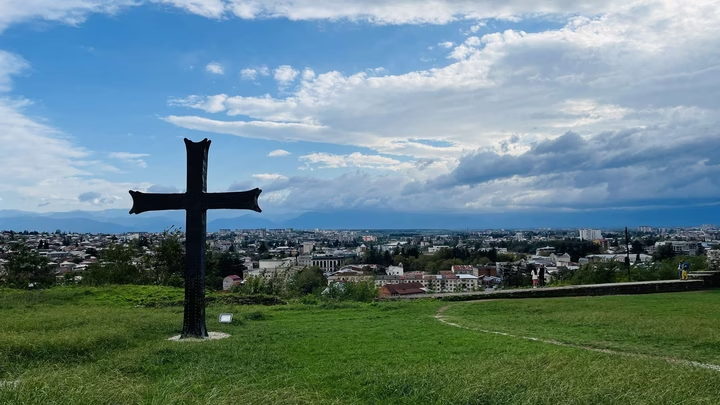
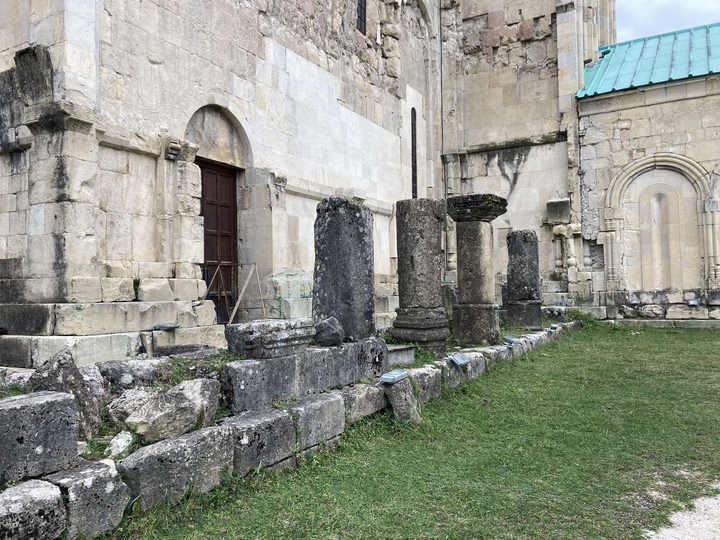

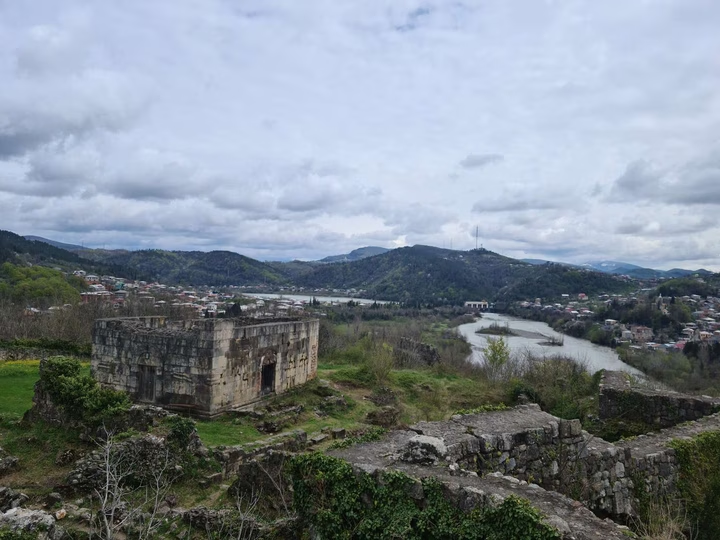
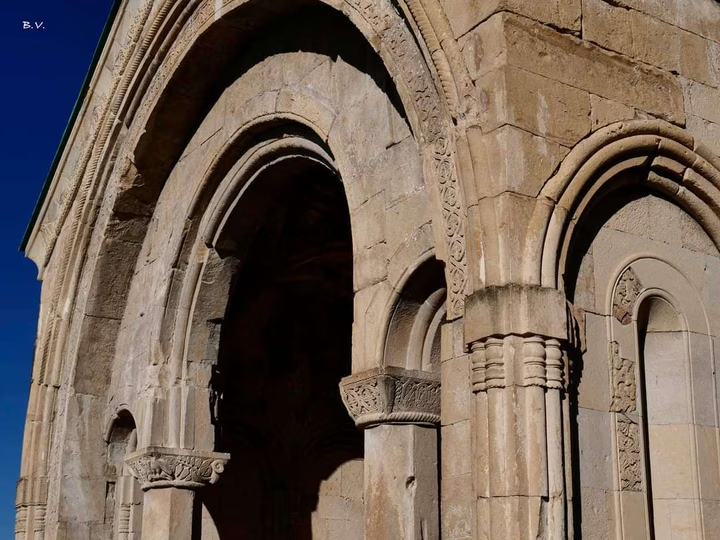
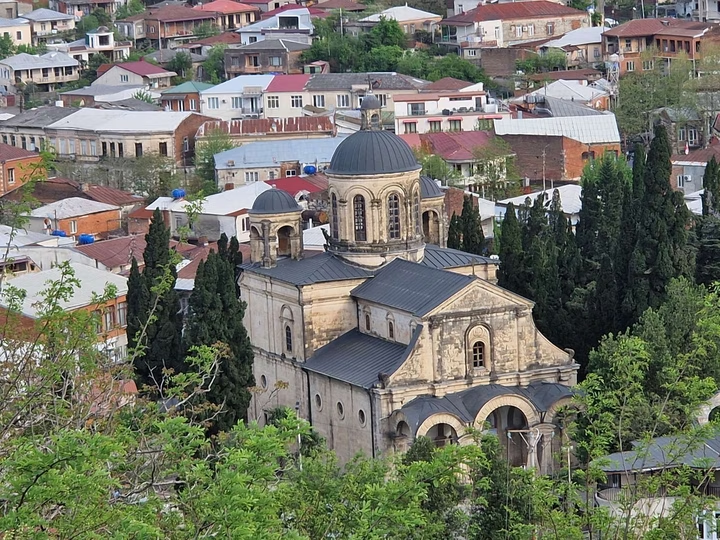
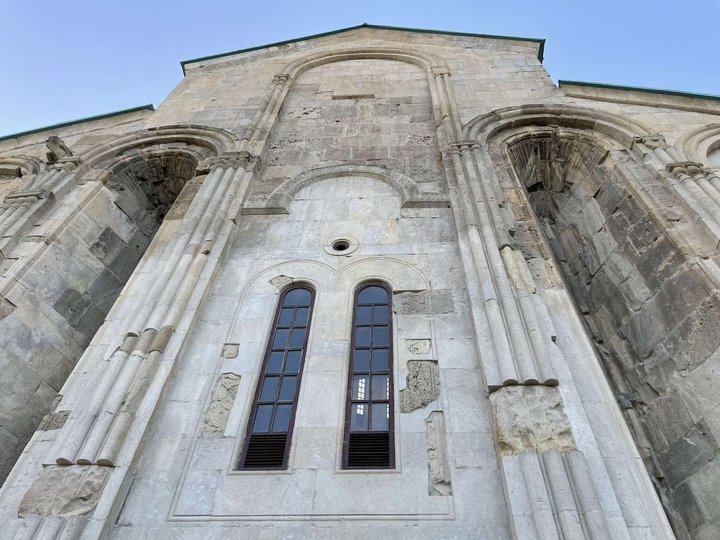
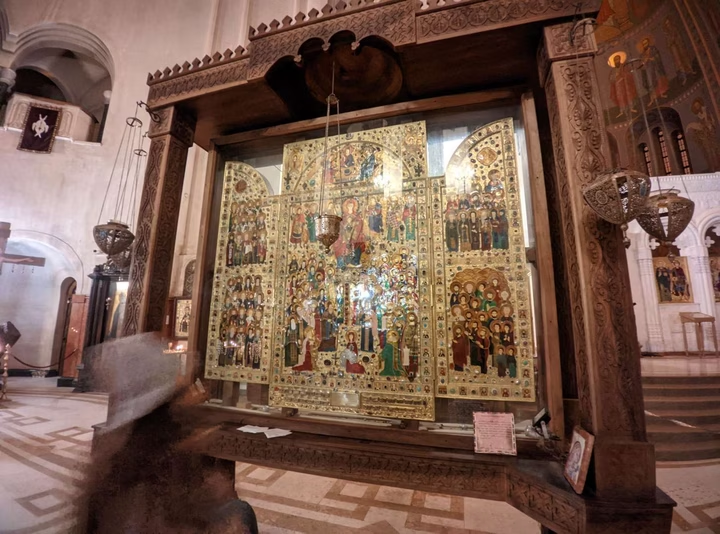
Bagrati Cathedral, rising on the Ukimerion hill in Kutaisi, Imereti region, is a majestic creation of architectural art, personifying the glorious pages of Georgian history. This temple, erected in honor of the Mother of God, glorified by the ruler of the Abkhazians and Georgians Bagrat III in the period from 978 to 1014, is not only a symbol of the unity of the country, but also the embodiment of its spiritual and cultural traditions.
The path to Bagrati Cathedral begins with a visit to Kutaisi, accessible by various means of transport from Tbilisi, Mestia and Ambrolauri. Buses, minibuses and trains travel regularly to this historic city, passing through scenic spots such as Didube before reaching the central bus station.
The history of the Bagrati Cathedral is closely connected with the era of the X-XI centuries, the period of the reign of King Bagrat III. Built in 1003, this majestic temple stands as a witness to the unity and power of the nation. Although the structure has been damaged over time, its significance remains unchanged.
In 1692, the Ottoman Empire, having invaded Georgia, caused serious damage to the cathedral, including destroying the dome of the temple. However, efforts to restore and preserve this historical monument do not stop. Since its inscription as a UNESCO World Heritage Site in 1994, the Georgian government and local organizations have actively undertaken restoration work. In 1995, the cathedral was partially restored, and in 2009, a complete reconstruction of the monument began.
Bagrati Cathedral is not only a historical landmark, but also a spiritual symbol that attracts both fans of art and architecture, and those who seek to understand and appreciate the rich cultural heritage of Georgia. To visit this majestic temple means to plunge into the atmosphere of ancient Georgia, to feel its grandeur and historical significance, and also to contribute to the preservation of the national heritage of this beautiful country.

