






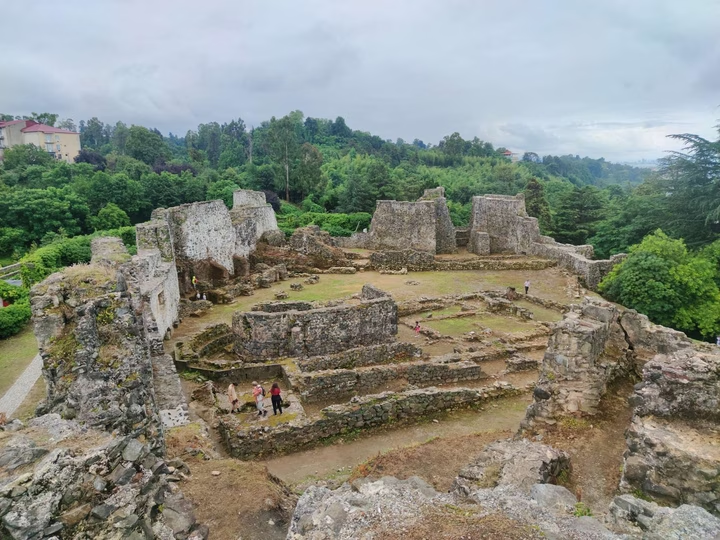
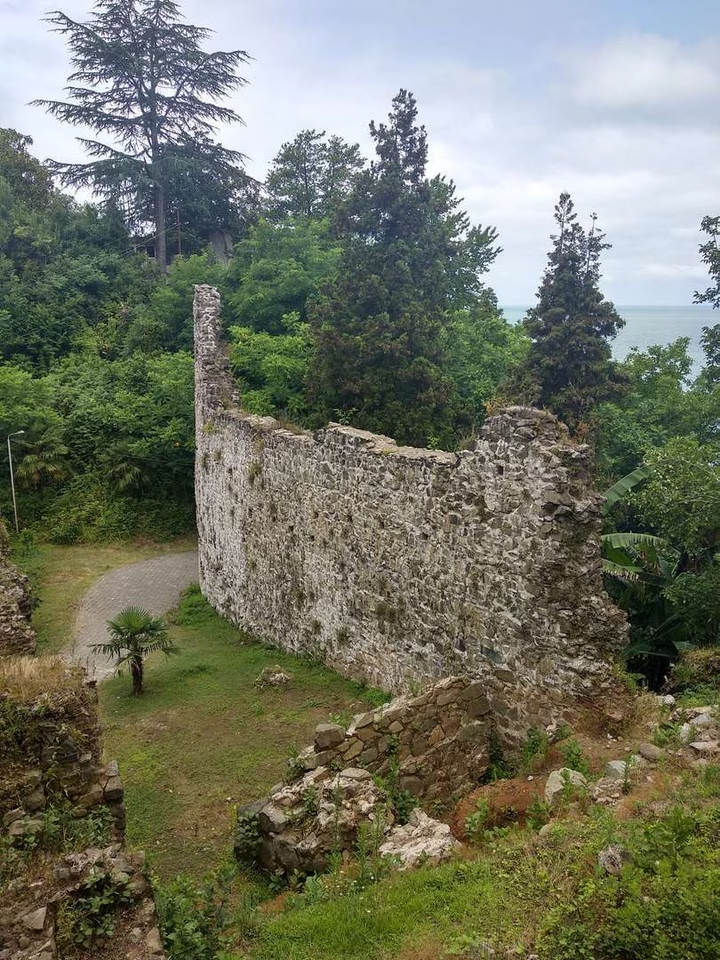
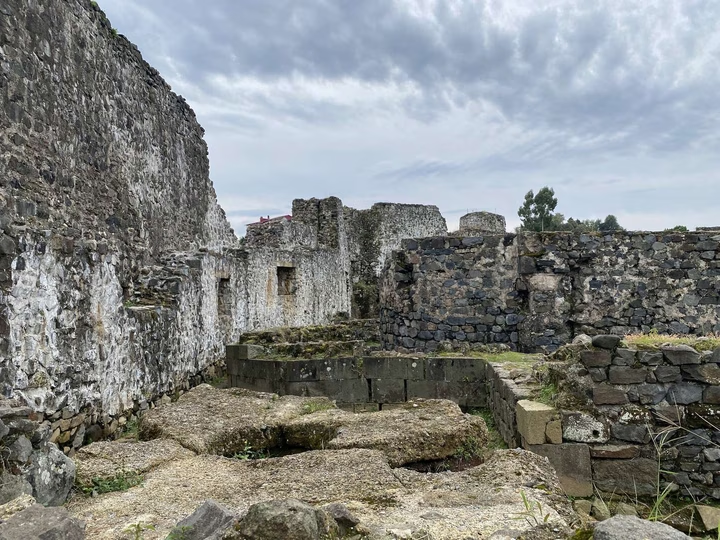
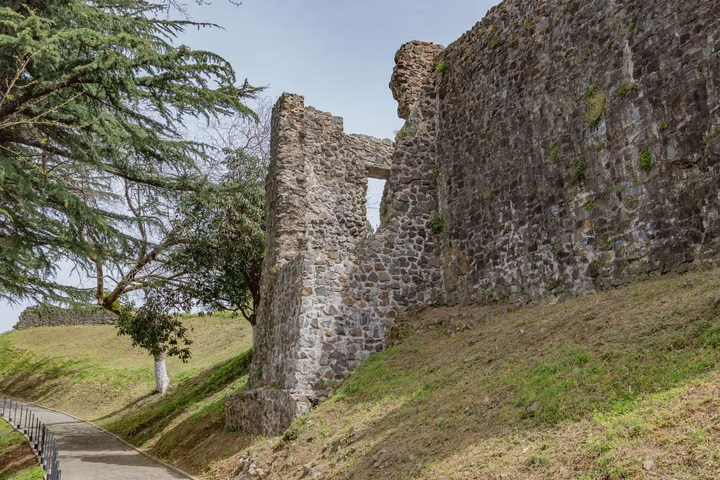
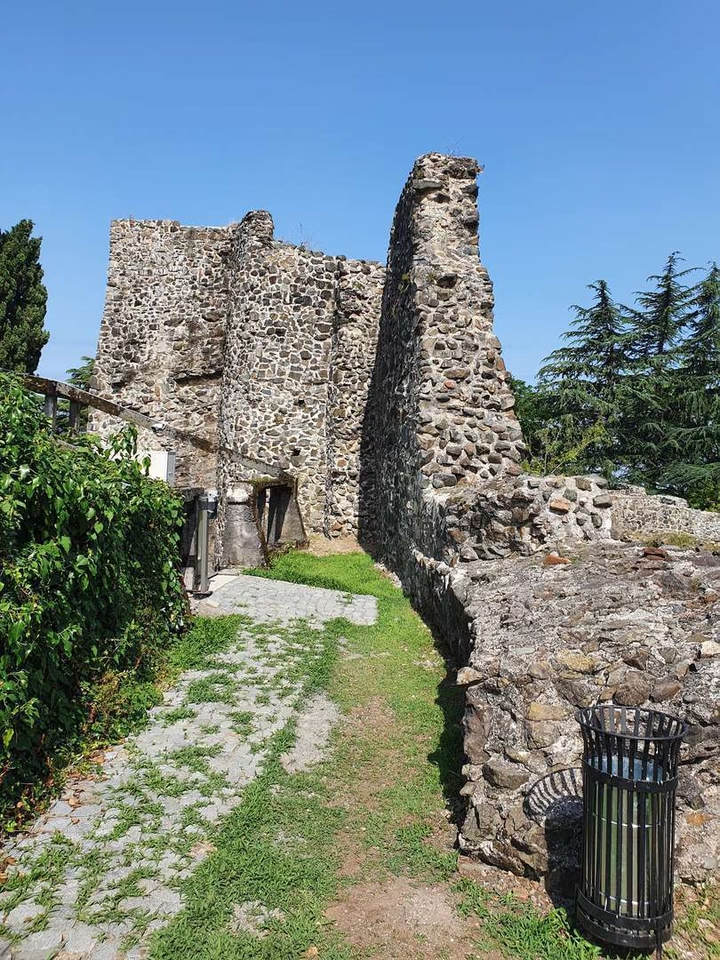

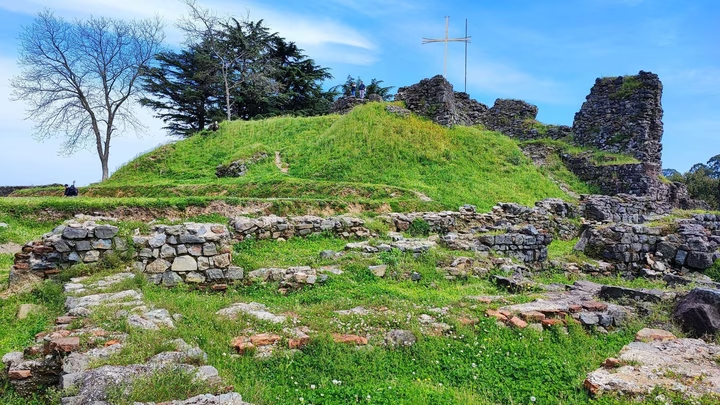
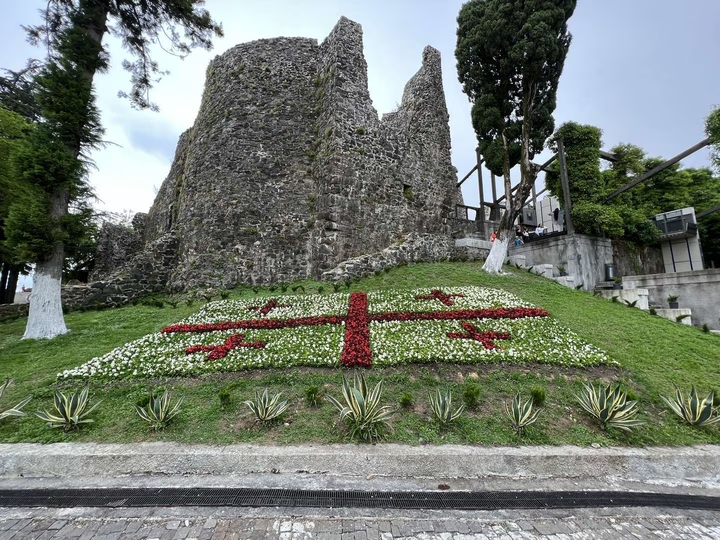

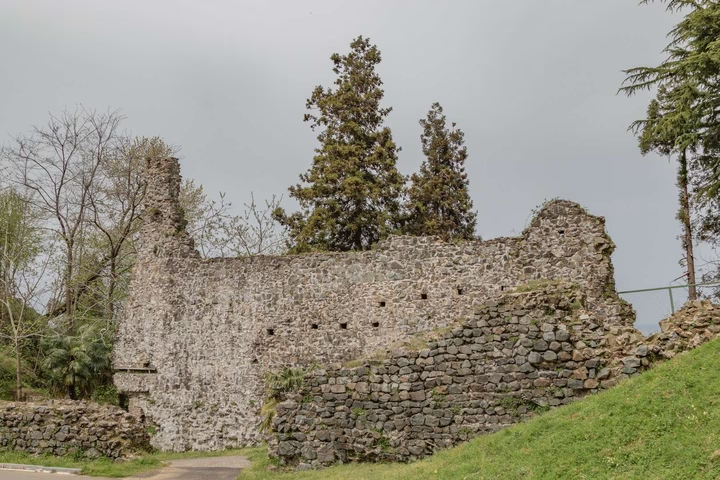
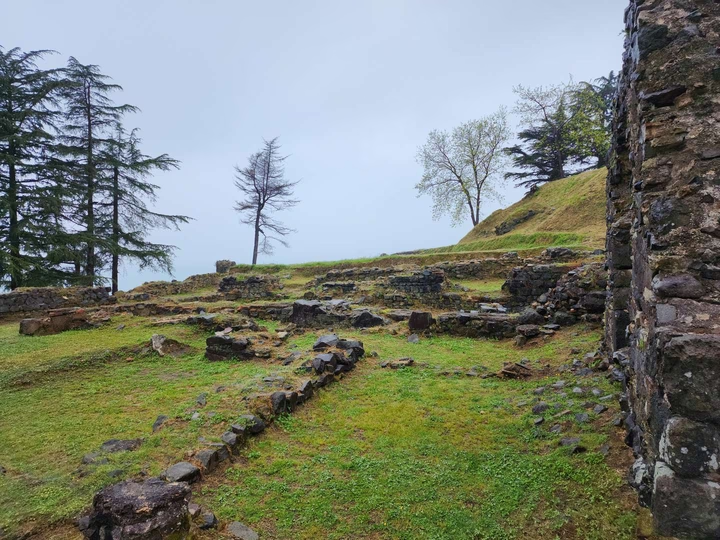
Forgotten in time and steeped in history, the Petra-Kadzheti Fortress in Adjara is not only a site of majestic ruins, but also a window to the ancient world. Built by Joanna Strategos in 535, it stands proudly on a rocky slope washed by the waves of the Black Sea, like a guardian of time.
Originally called “Petra” by the Byzantines (which translates as “stone” or “rock”), and for the Georgians this stone city bears the proud name “Fortress-Kadzheti”. Under its protection are a citadel, a courtyard, and many other archaeological artifacts that resurrect the mysterious past.
The citadel surprises with its inaccessibility, where the ancient palace, bathhouse and ruins of outbuildings tell their fascinating story. The foundation of the basilica of the 6th-7th centuries, a remnant of the Chair of Peter, evokes reverent admiration for the majestic era.
From this moment on, the history of the Petra-Kadzheti Fortress is intertwined with political dramas and strategic vicissitudes. Controlling the narrow coastal road linking western Georgia with the Byzantine provinces, Iran and Armenia, Petra played a key role in the great Egrisi War of the 6th century.
Today, the Petra-Kadzheti Fortress is not only a magnet for researchers, but also for those who seek to immerse themselves in the atmosphere of antiquity. Among the ruins and artifacts, the mystical energy of the past lingers here, attracting history buffs and those seeking unique experiences.
Travelers who have discovered the Petra-Kadzheti Fortress describe it as a magical combination of natural beauty and ancient history. Majestic ruins soaring above the Black Sea provide incredible views, and archaeological finds recreate the mysterious life of the city in the past. By visiting the Petra-Kadzheti Fortress, you are immersed in centuries of antiquity, leaving behind traces of the great fortress city that resisted time.
🆕 New life of antiquity
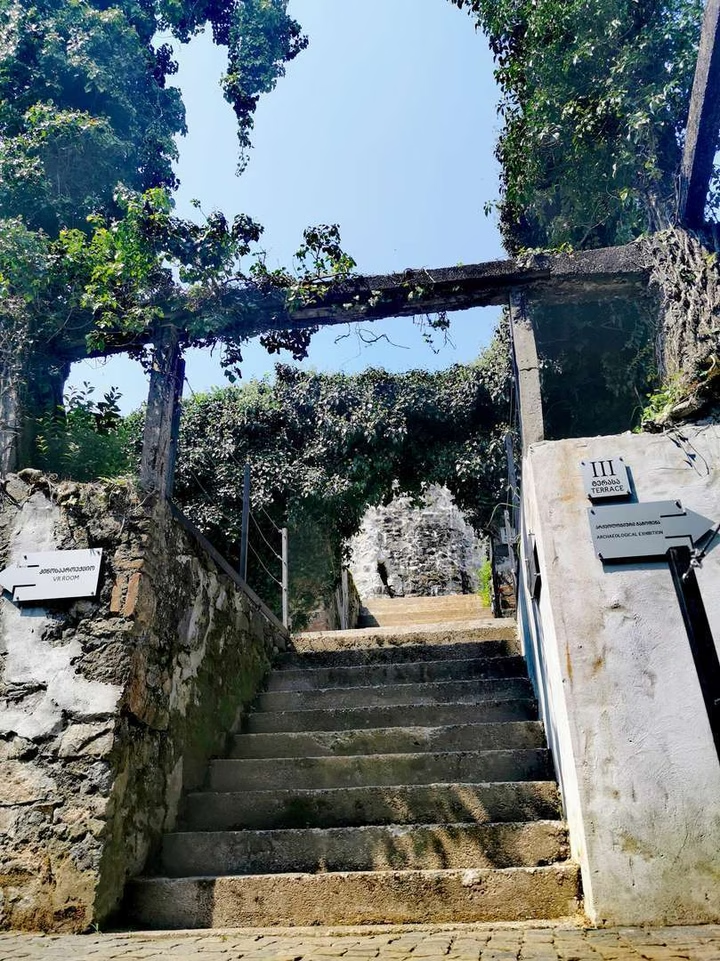
In July 2025, a new museum hall appeared in the Petra Fortress. The main pride of the exhibition is the restored antique mosaic of the 6th century, discovered during archaeological excavations on the territory of the fortress. Its restoration was carried out under the supervision of specialists from the Agency for the Protection of Cultural Heritage with the participation of an expert from Poland.
💡 By the way, tickets can now be purchased online on the website tkt.ge. The price for adults is 8-10 GEL, for children - 2 GEL. An audio guide is also available.

