



History of the Georgian national costume
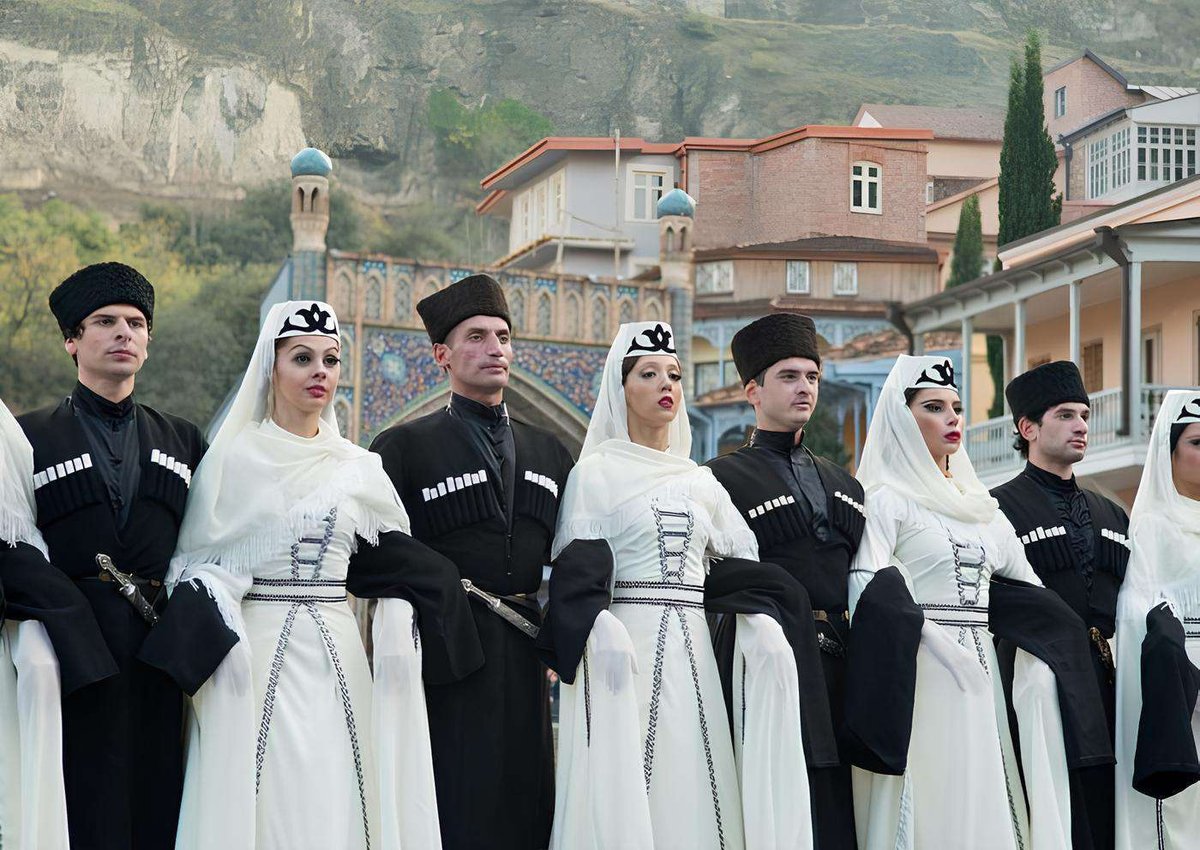
✨ Georgian national clothing reflects the country's rich history and cultural heritage. Each region, from mountainous Svaneti to warm Adjara, has its own unique outfits that demonstrate local traditions and lifestyle. These costumes are not only beautiful, but also carry deep symbolism expressed through colors and patterns.
Over the centuries, the Georgian national costume has evolved, preserving traditions and adapting to new trends. Men's and women's outfits differed not only in cut, but also in the fabrics and decorations used, reflecting social status and regional affiliation. White symbolized purity, red - joy and wealth, and black was associated with strength and courage.
🌄 In the modern world, we are seeing a revival of ancient traditions: designers are inspired by historical costumes when creating new collections, and national clothing is once again taking center stage at festivals and cultural events. Workshops and studios offer authentic outfits, allowing everyone to touch the rich cultural heritage of Georgia.
For those who want to see or buy Georgian national costumes, museums, specialized stores and online resources are available. These outfits remain an important symbol of the people's identity, connecting the past and the present, tradition and modernity.
Georgian National Clothes
National costume is not only an element of the wardrobe, but also a symbol of the identity and way of life of the people. Each outfit, from headdress to shoes, keeps the memory of its time, reflecting the life, traditions and social status of the owner.
In Georgia, traditional clothing ensembles were an integral part of everyday life until the early 20th century, when they were replaced by European fashion. For many years, national costumes could only be seen at performances by creative groups performing folk songs and dances. Today, traditional Georgian culture is experiencing a revival: craftsmen create reconstructions of ancient outfits, inspired by historical sources. These outfits have not only retained a connection with history, but have also become part of modern culture, combining the traditions of the past with the inspiration of the present.
History of Georgian national costume
Antiquity
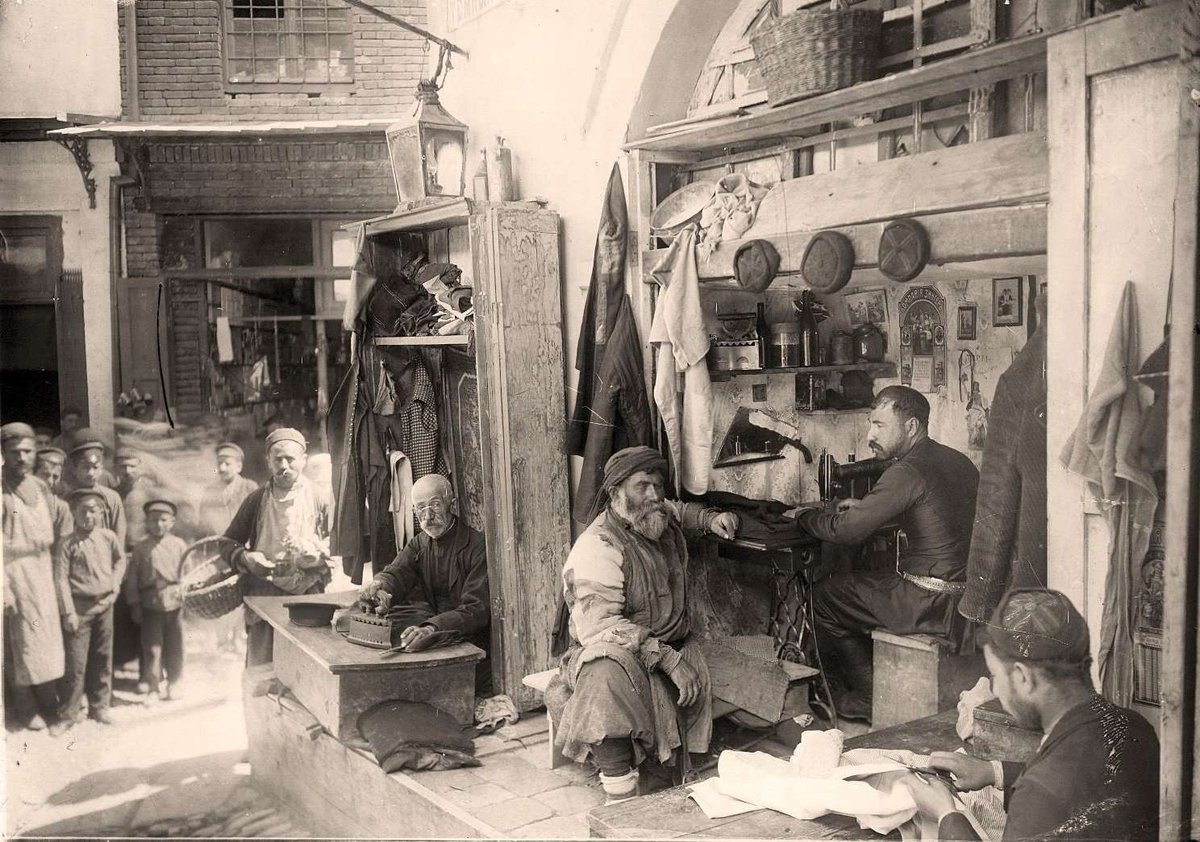
The origins of the Georgian national costume go back centuries, when clothes performed a mainly utilitarian function. Outfits were created from natural materials - wool, linen and cotton. Mostly simple and practical, clothes still had differences depending on the social status of the owner. The nobility used expensive fabrics such as silk and velvet, decorating them with embroidery with gold and silver threads.
Middle Ages
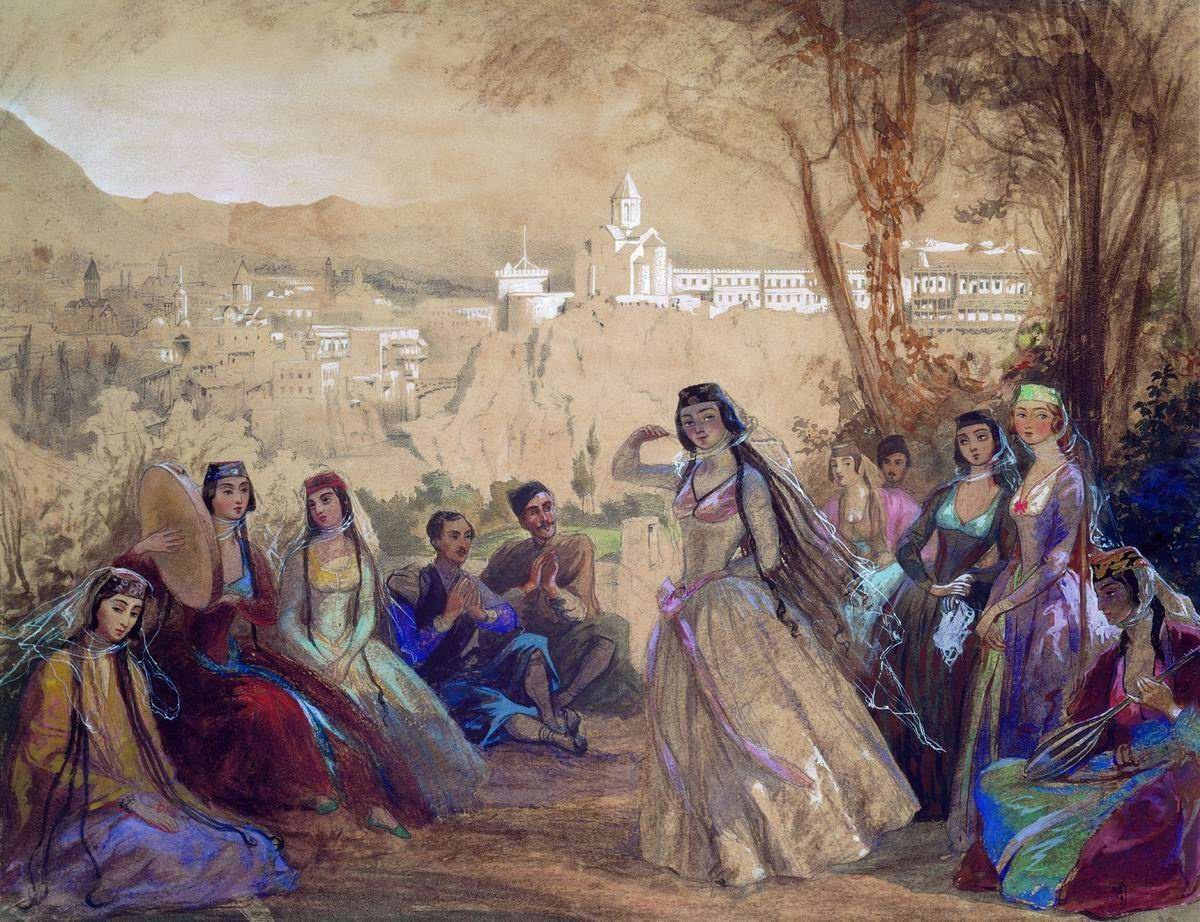
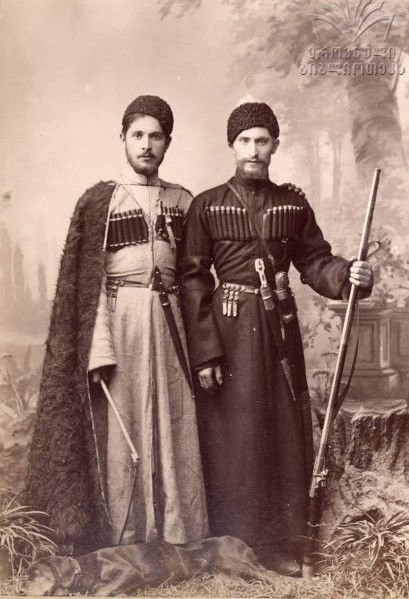
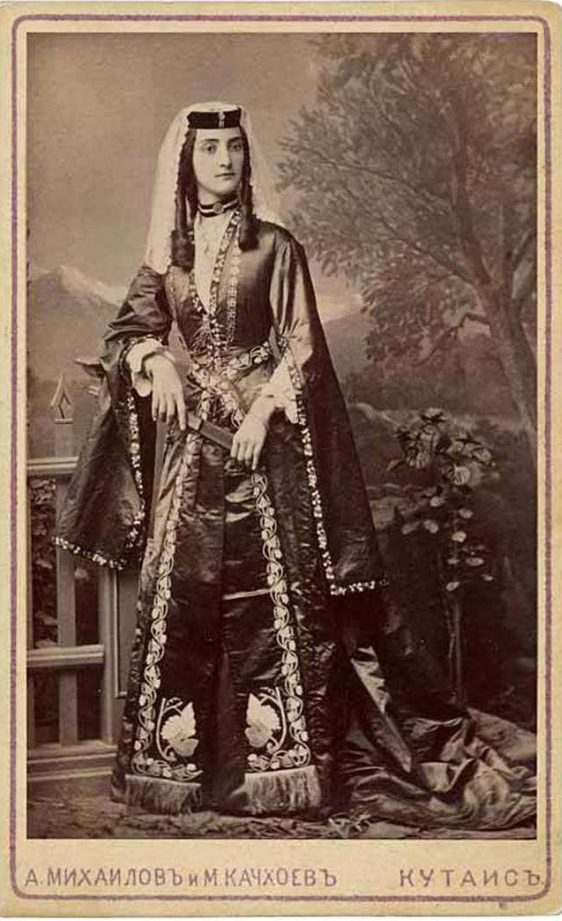
In the Middle Ages, the costume became an important status symbol. Men wore a chokha, which emphasized their masculinity and warrior spirit. Women chose elegant dresses with long sleeves, decorated with pearls and precious stones. This period is characterized by the influence of Persia and Byzantium: luxurious fabrics and complex sewing techniques were borrowed and adapted by Georgian craftsmen.
New time
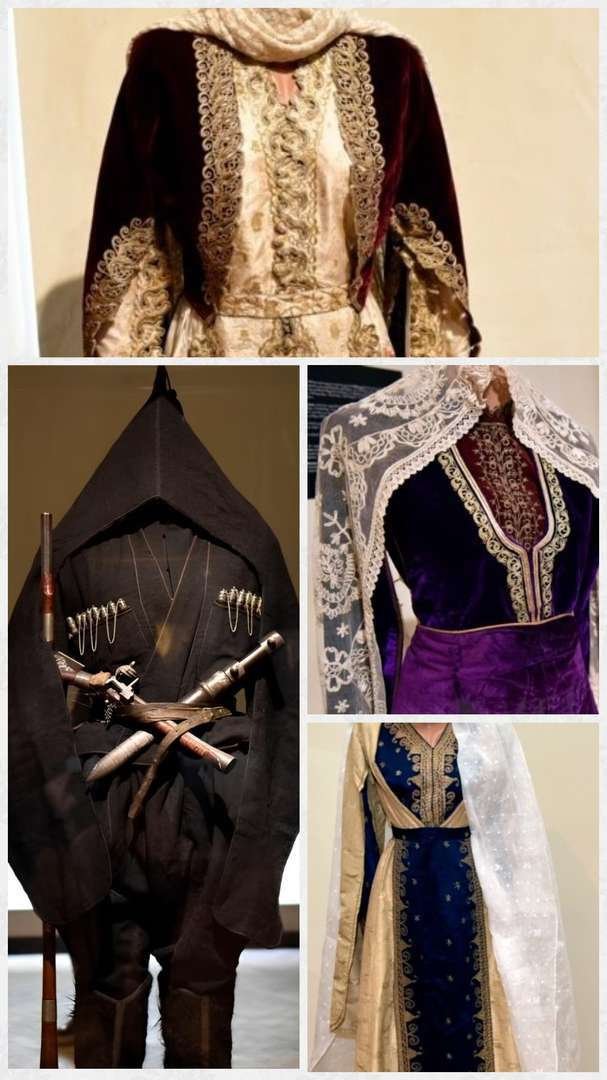
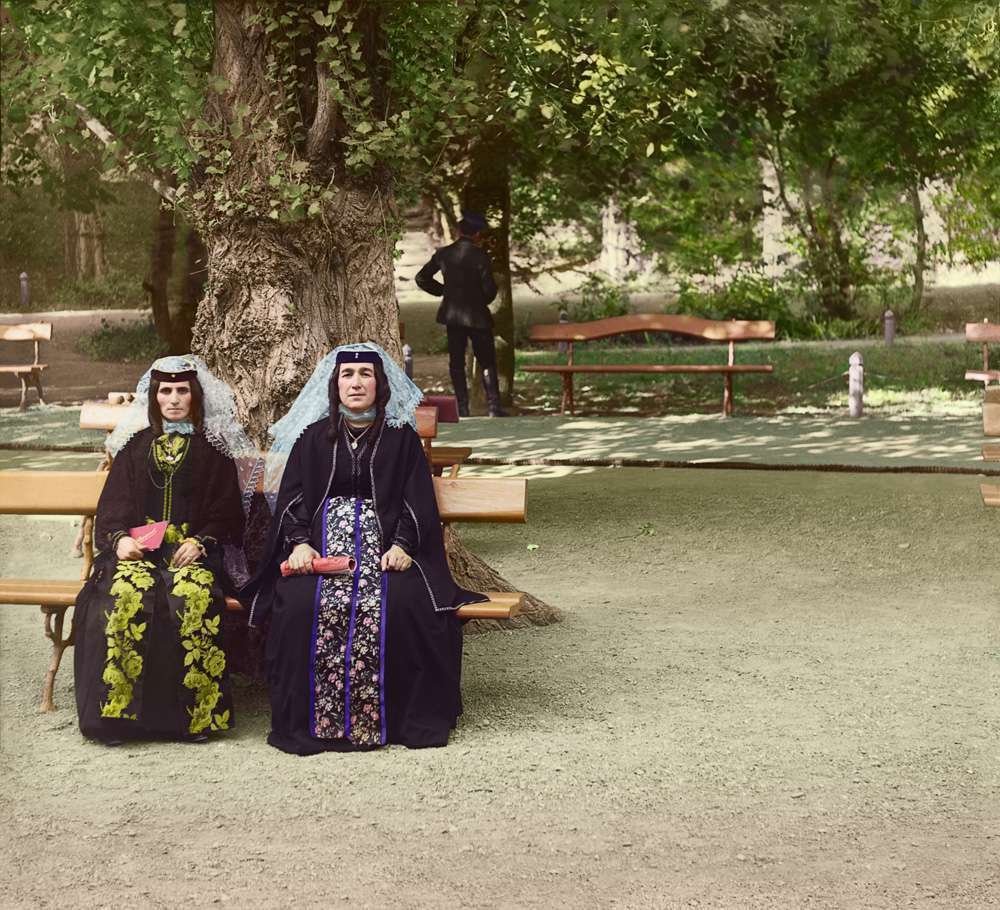
By the 19th century, Georgian clothing began to be influenced by European fashion. However, many traditional elements remained. Men's clothing emphasized strength and dignity, emphasizing broad shoulders and a narrow waist. Women's dresses remained a symbol of sophistication, distinguished by exquisite cut and trim.
Modernity
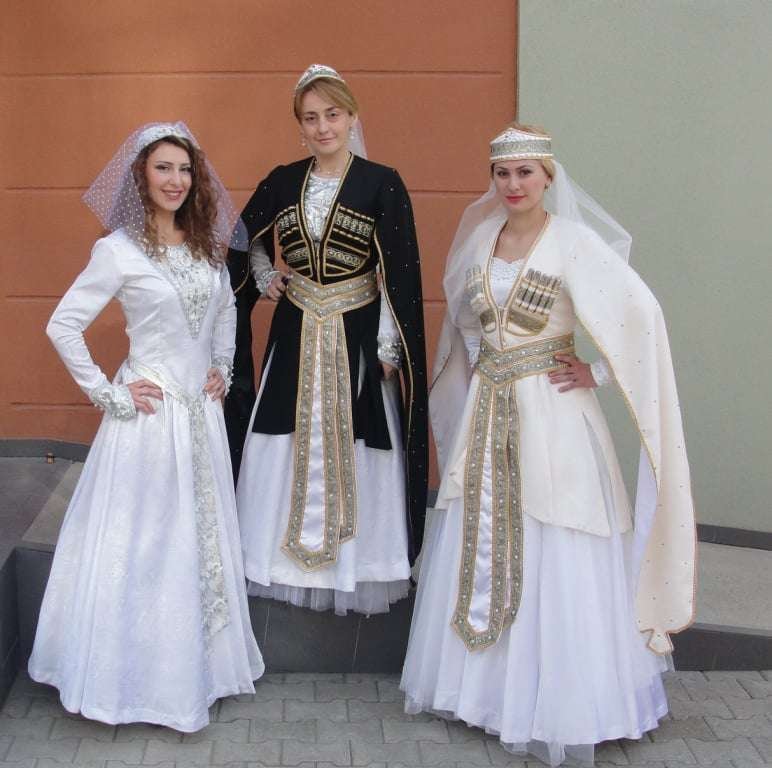
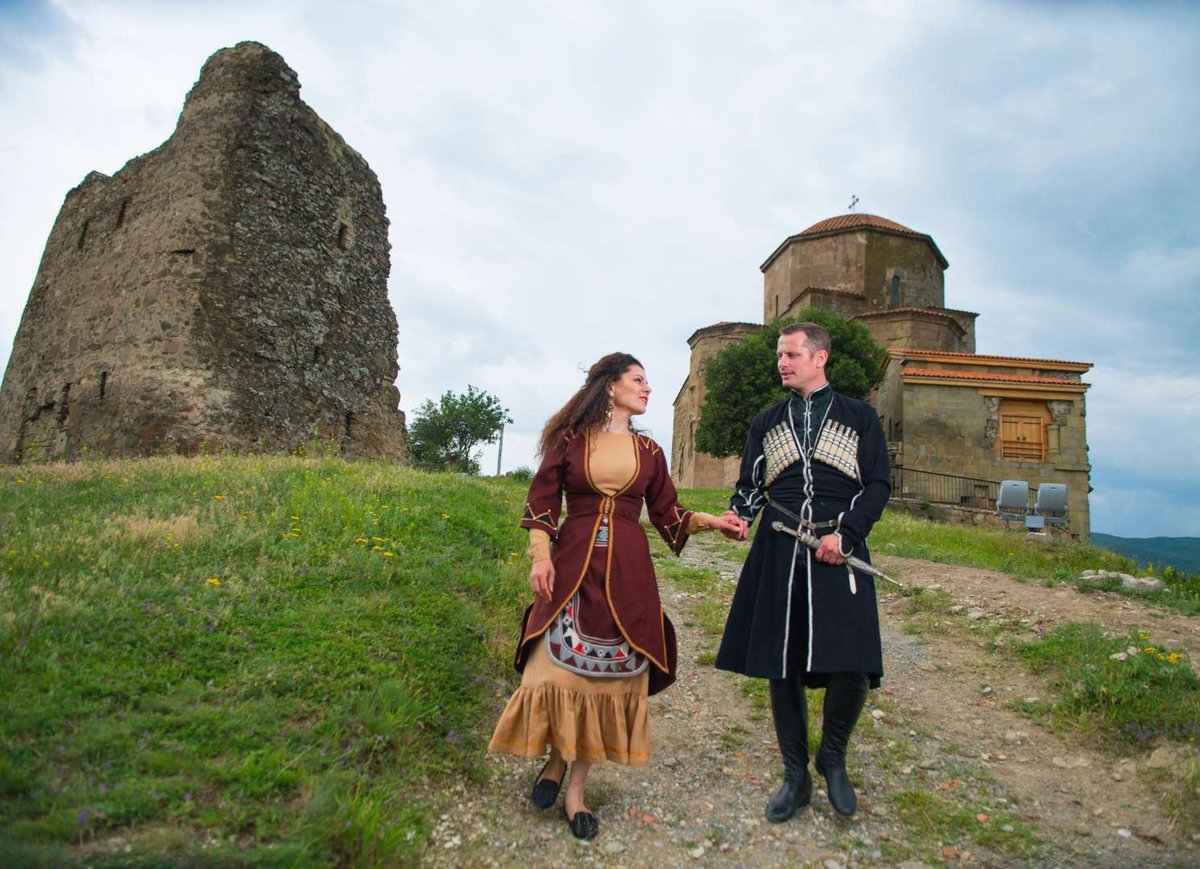
In the 20th century, national clothing gave way to European style and practically disappeared from everyday life. However, in recent decades, Georgian costume has experienced a rebirth. Craftsmen recreate traditional outfits, and designers adapt their elements for modern collections. Today, national clothing is an integral part of cultural events, demonstrating the richness of heritage and the uniqueness of Georgian identity.
Evolution of costume depending on class
Georgian national clothing has always reflected the social status of its owner, demonstrating the difference between the upper classes, the middle class, commoners and even professional groups. The variety of materials, cuts and decorative elements emphasized belonging to a certain class.
Upper classes
The clothes of the nobility were intended not only to protect, but also to impress. They were made of luxurious fabrics such as silk, velvet and satin, which were often imported from Byzantium and Persia. They were complemented by gold and silver threads, inlaid with pearls and precious stones.
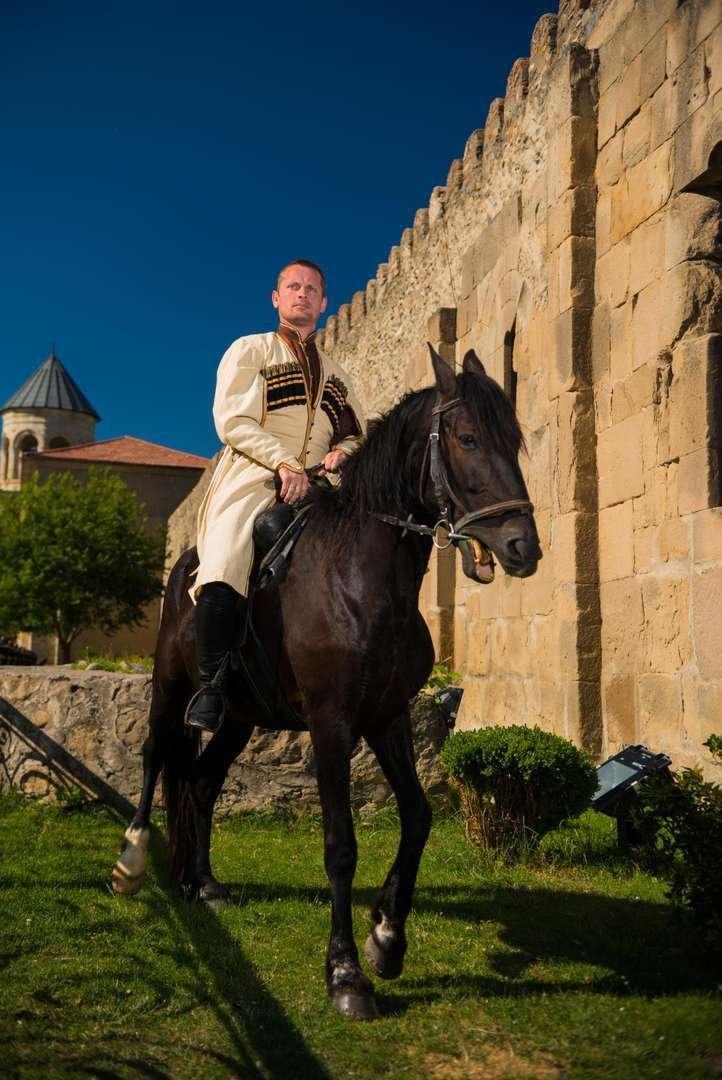
- Upper-class men wore ahalokhis and chokhas, which emphasized their physical strength and masculinity. Broad shoulders, a narrow waist, and long hems created an impressive effect. Chokhas were decorated with cartridge belts, symbolizing readiness to defend their family and country. Weapons, such as daggers and sabers, often became part of the image.
- Women wore elegant dresses with long sleeves, richly decorated with embroidery and metal threads. Velvet or silk belts embroidered with precious stones completed the image. Headdresses made of satin or silk emphasized high status.
Middle class
Middle-class clothing was less luxurious, but still stylish and high-quality. More affordable fabrics such as cotton and broadcloth were used for sewing, but decorative elements such as embroidery added uniqueness.
- A simple chokha made of wool or cloth, decorated with minimal embroidery, was popular among middle-class men. They also wore leather belts and woolen cloaks to protect themselves from the cold.
- Women's attire included dresses made of cotton or wool, often with simple ornaments. For festive occasions, they used shawls and belts with decorative elements such as metal buckles.
Commoners
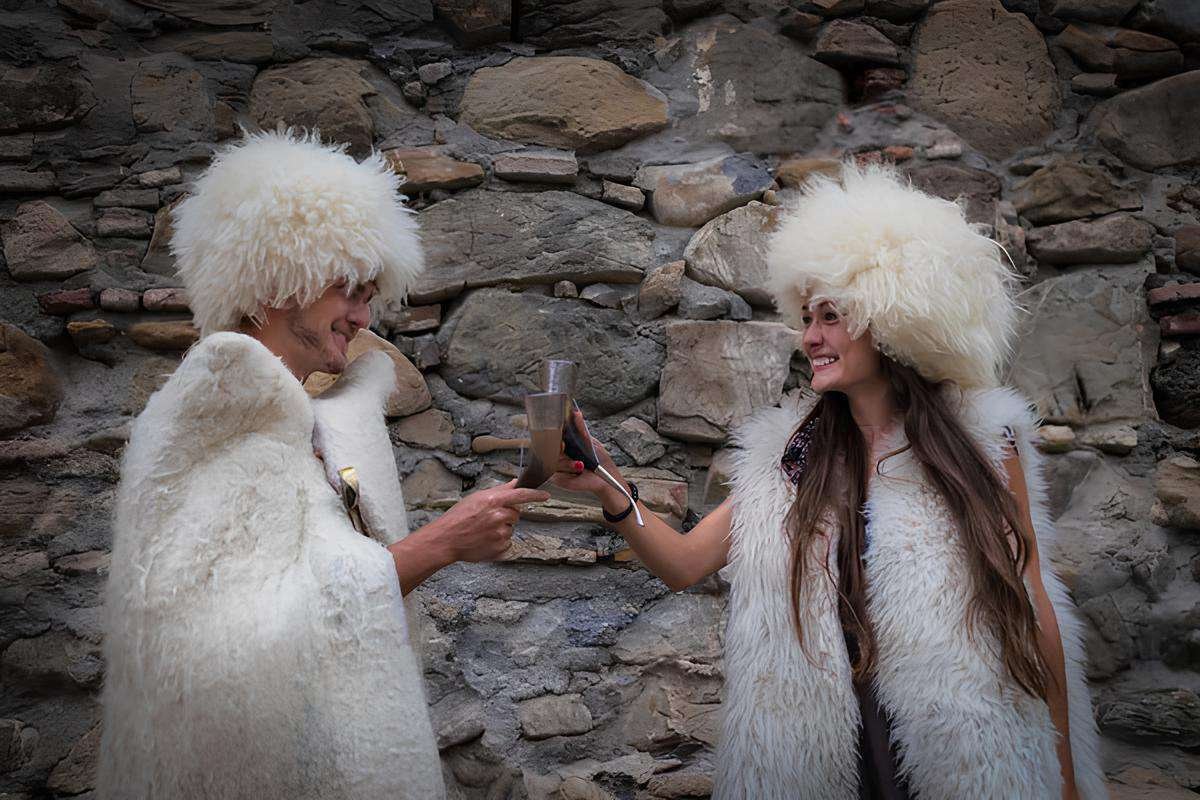
Commoners wore practical and durable clothing made from inexpensive materials such as linen and wool. The outfits were designed with an emphasis on comfort and functionality.
- Men's simple shirts, linen trousers and woolen capes were everyday clothing. Shoes were most often handmade from leather.
- Women wore long dresses made of coarse fabric, often decorated with elements of simple weaving. Woolen scarves or shawls were used to protect against the cold.
Professional groups
Some professions required special clothing adapted to their activities:
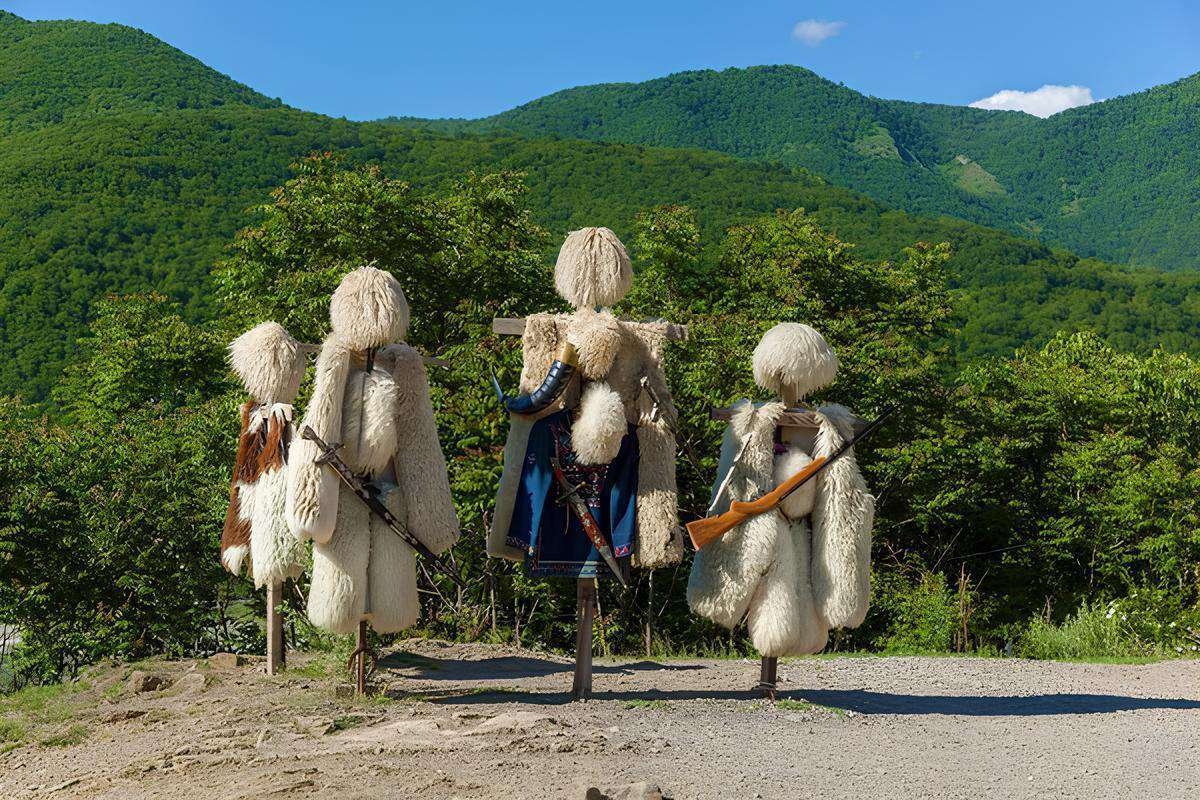
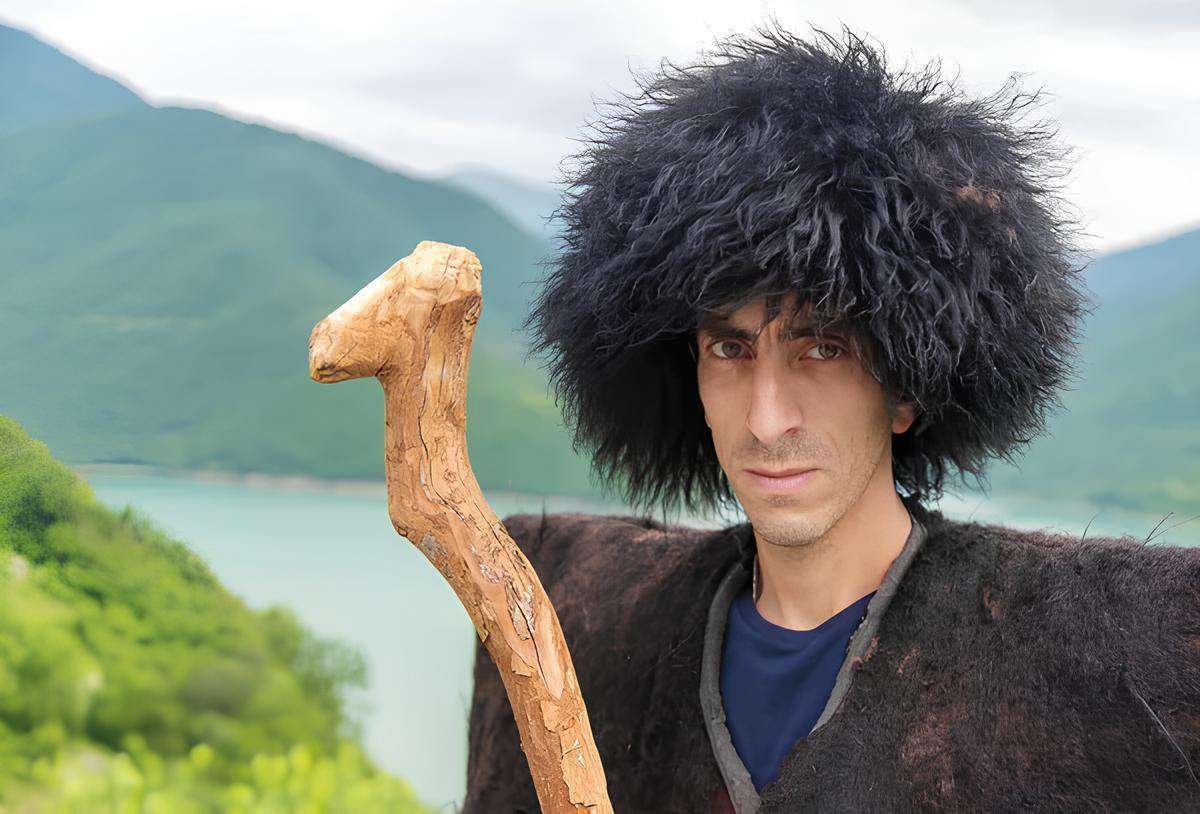
- Shepherds: Wore felt capes and hats to protect themselves from rain and wind. Their shoes were made of rawhide, making them light and practical.
- Hunters: Used leather vests and belts to carry weapons and other tools. Often, such costumes were decorated with symbolic elements reflecting their profession.
- Craftsmen: Wore leather aprons to protect their clothes while working, as well as comfortable shirts and trousers made of rough fabric.
Each social group contributed elements to the costume that reflected its role in society. This versatility creates a rich palette of Georgian national clothing, which remains a source of inspiration for modern designers.
The meaning of colors in Georgian national costumes
The color palette of Georgian national clothing not only emphasized the beauty of the outfit, but also played a symbolic role. Each color had its own meaning, reflecting the social status, emotional state or purpose of the costume. In addition, the choice of color often depended on the region, traditions and the specific event for which the outfit was made.
White
White symbolized purity, holiness, and the beginning of a new life. This color was often used in wedding dresses, especially in women's dresses. White was also associated with spirituality, so it was often chosen for religious ceremonies.
📌 In the traditional wedding costume of the bride, white symbolized her purity and a new stage in life.
Black
Was associated with strength, courage, and determination. This color was often used in men's suits, especially in the outfits of warriors and nobles. Black was also used for mourning clothes, emphasizing grief and respect for the departed.
📌 Men's chokha was often made of black fabric, emphasizing the status and strength of its owner.
Red
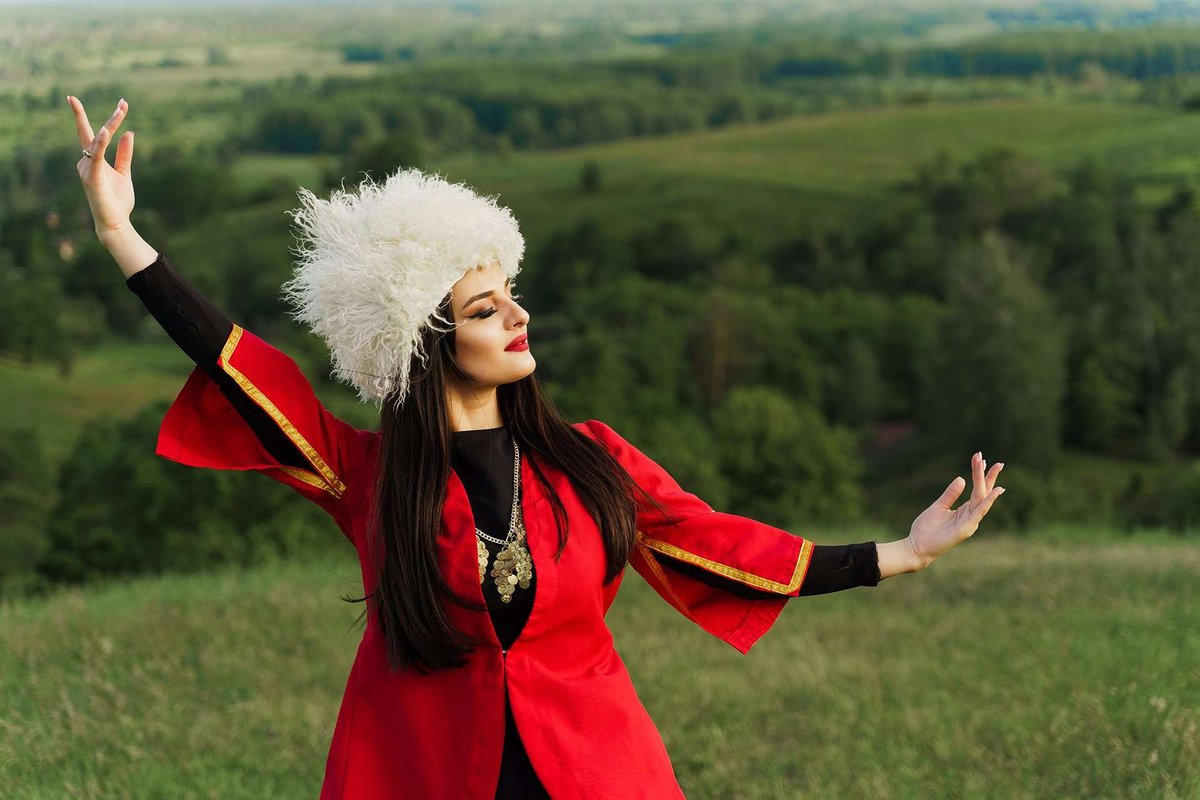
Symbolized joy, wealth, and energy. It was often found in festive and formal costumes. Red was also considered the color of power and was used in the clothing of the nobility.
📌 In festive costumes, red was used to decorate sleeves, belts, and headdresses.
Blue and light blue
Symbolized calm, nobility, and heavenly purity. These colors were often used in women's costumes, emphasizing sophistication and elegance.
📌 In some regions, blue shades were found in traditional dresses intended for religious holidays.
Gold and silver
Were symbols of wealth, status and power. These colors were used in embroidery, decorations and details of the upper classes' outfits.
📌 Gold thread was used to embroider patterns on the velvet dresses of the nobility.
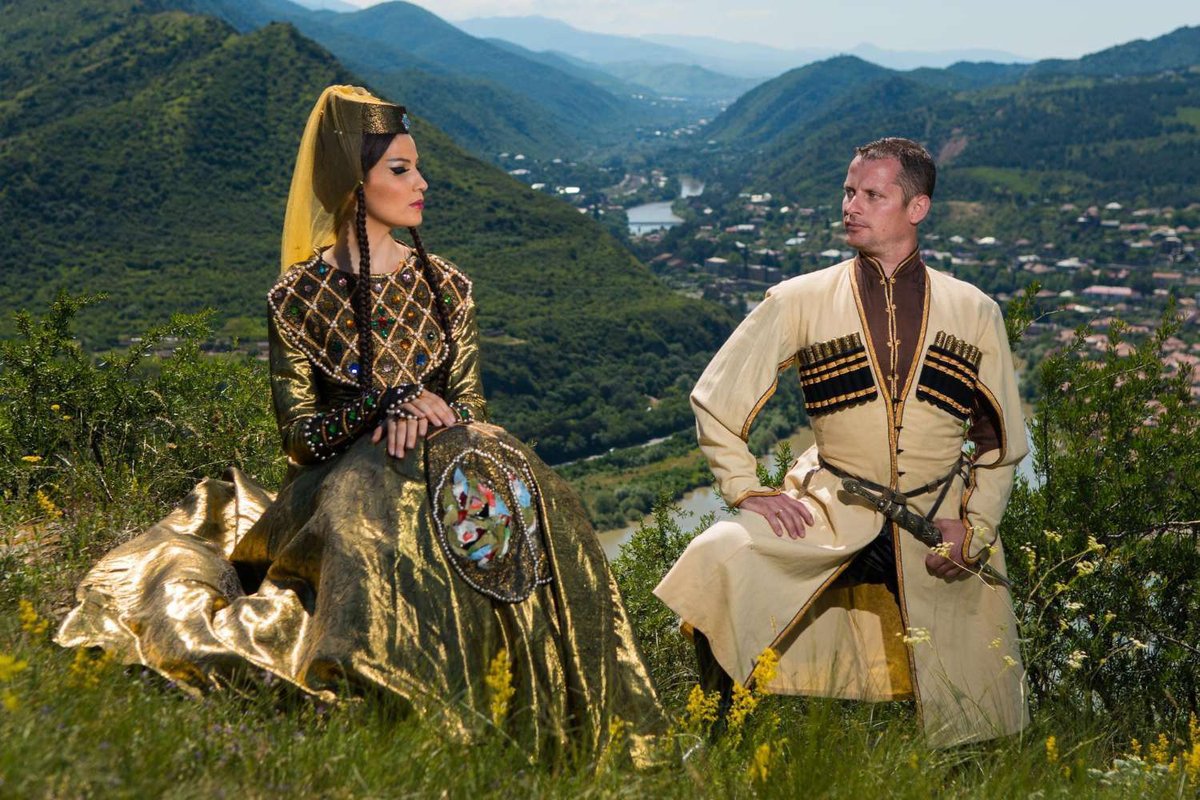
National men's costume of Georgia
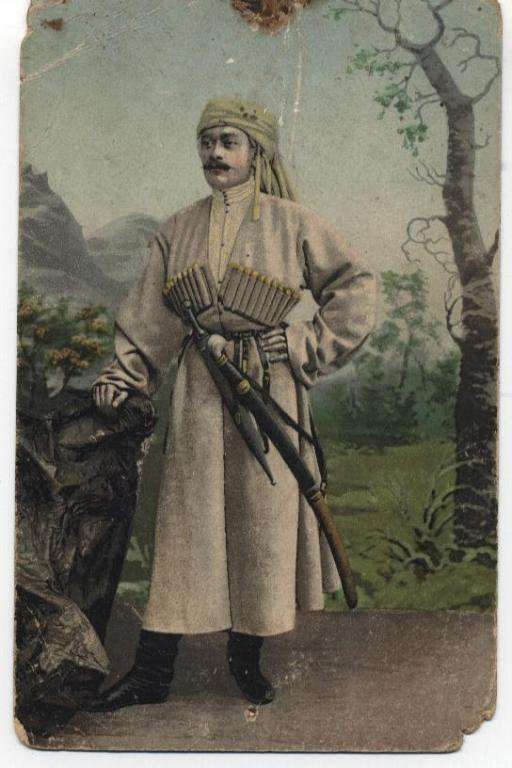
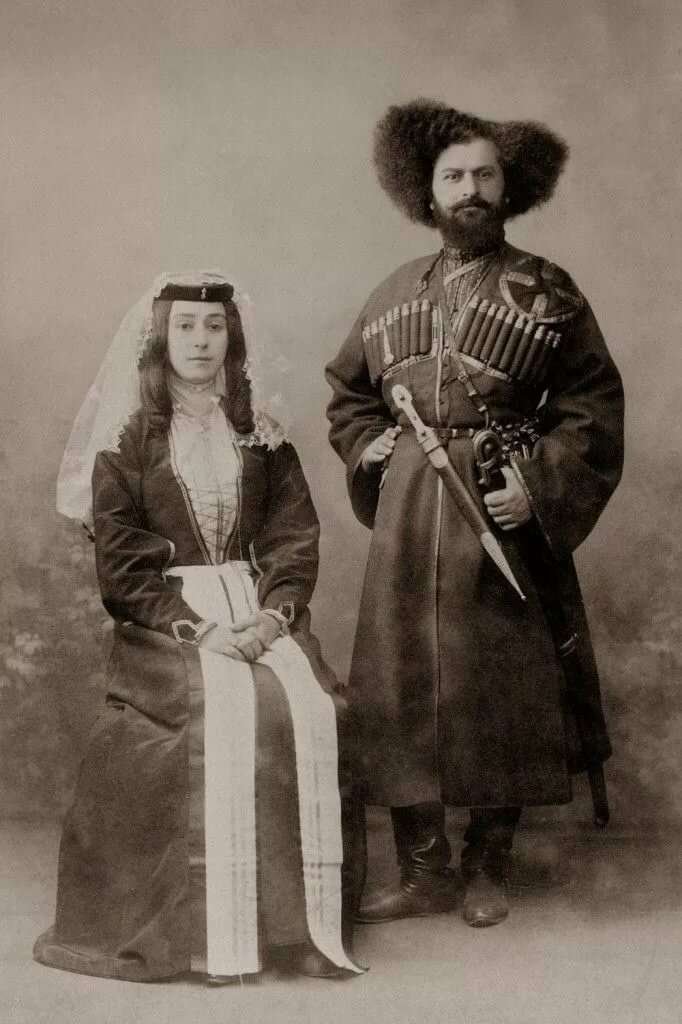
The Georgian men's national costume has always emphasized the strength, masculinity and status of its owner. The central element was the ahalokhi, which was sewn from silk or canvas and tightly fitted the body. It was fixed at the waist with a narrow belt with a silver buckle.
A woolen chokha was worn over the akhalokha - a characteristic garment that became a symbol of the Georgian man. The chokha was distinguished by its cut: a narrow waist, wide and long sleeves, and knee-length hemlines. This design emphasized the broad shoulders and created a visual contrast with the waist, giving the owner's figure an impressive look. Wealthy Georgians, in order to demonstrate their high status, sewed a silk kaba instead of a chokha.
The festive attire of the wealthy classes – kulandzha – was made of velvet and fur.
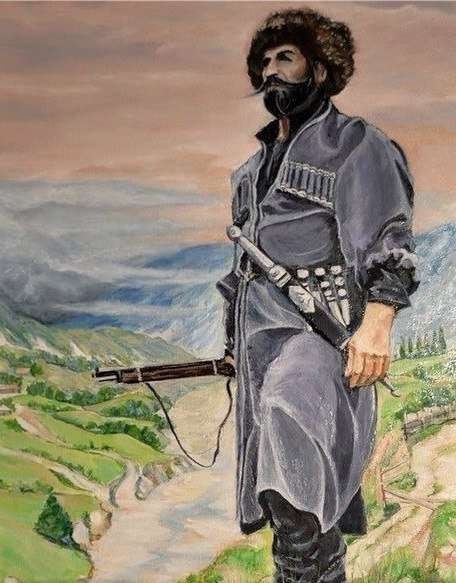
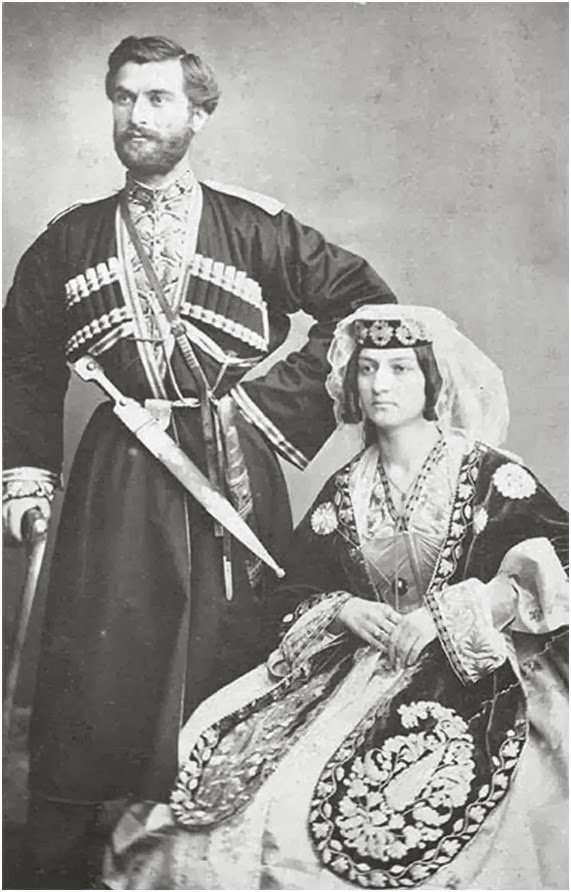
The headdress was a papakha made of sheep wool. Depending on the region, different shapes and materials could be used, but the papakha was invariably associated with pride and dignity.
The footwear was made of soft leather. The boot shaft was narrow and the toes were sharp. An elastic sole was a must. The poor rural population wore bast shoes made of rawhide - kalamani and boot shafts made of coarse homespun wool.
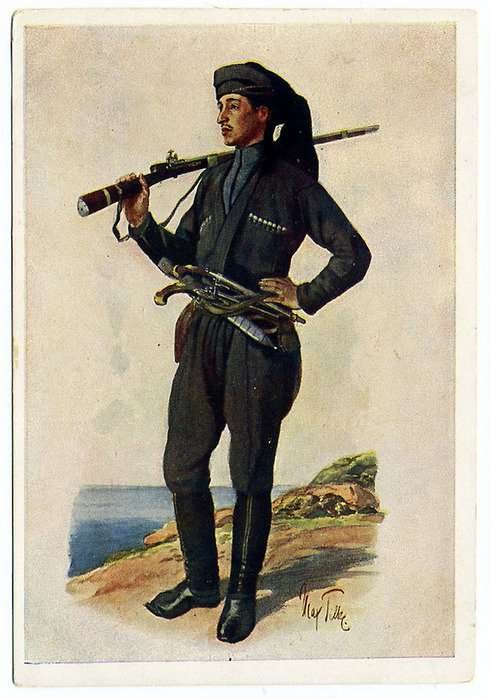
A mandatory attribute of traditional Georgian attire is a weapon. Daggers, sabers and knives were fastened to the belt, symbolizing the readiness to protect the family and homeland. Wealthy Georgians decorated their weapons with engravings and inlays of precious stones. Some of these unique exhibits can be seen in historical and ethnographic museums, including the Borjomi Museum of Local History, as well as in other regions of Georgia, where rare historical examples are presented.
GEORGIAN WOMEN'S DRESS
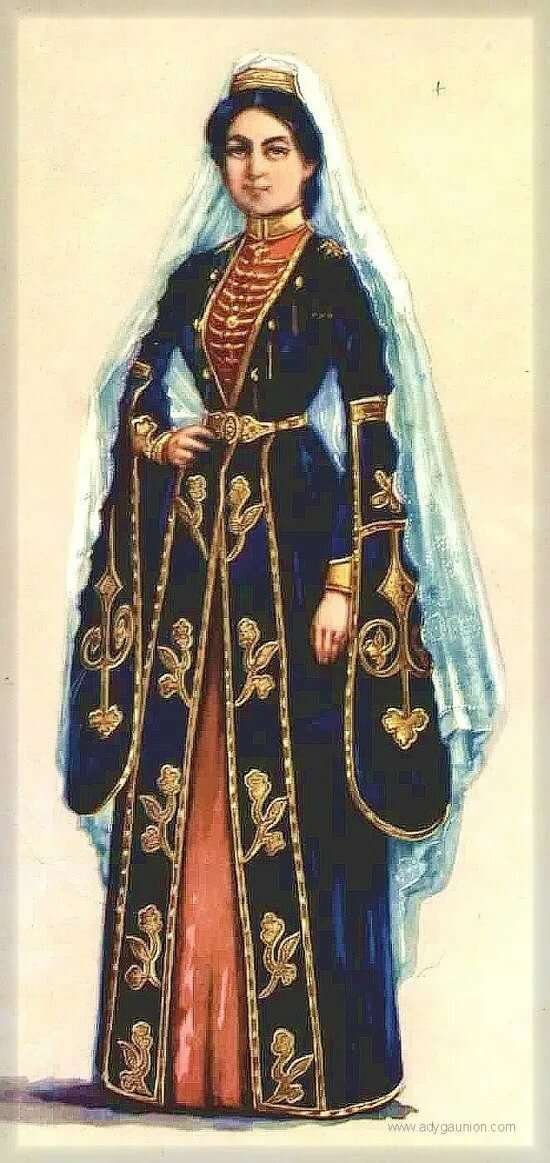
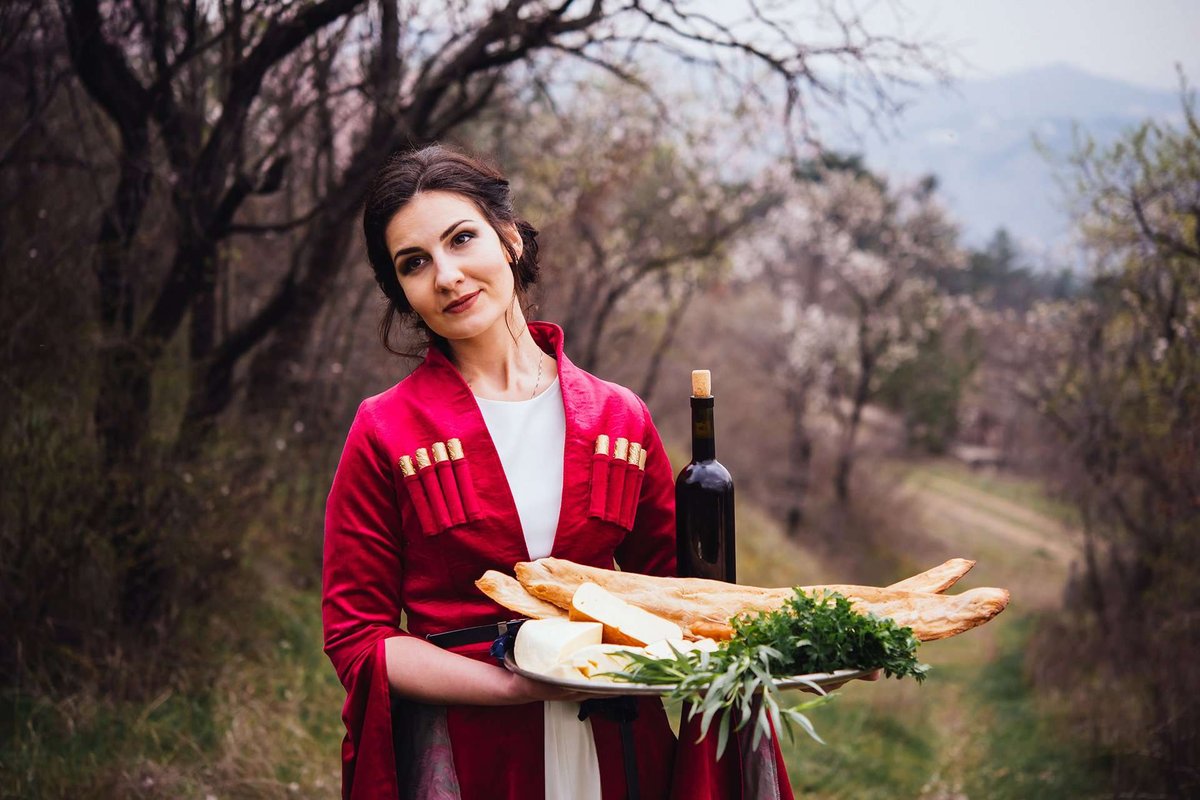
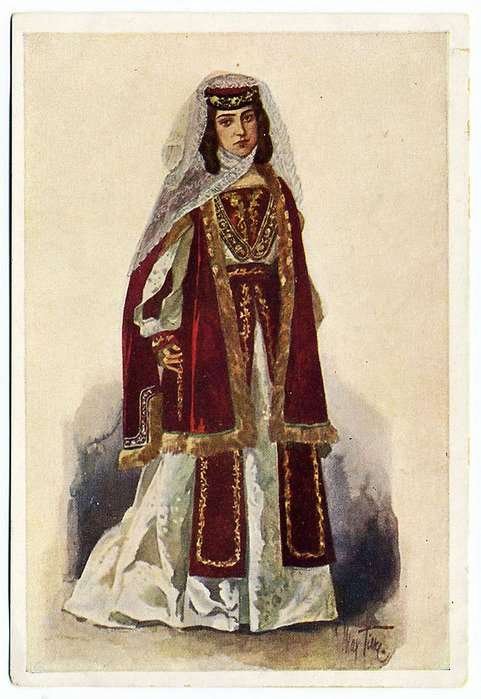
The basis of the women's national costume was a long dress, tightly fitting the chest and waist. The most common women's dress was called kartuli-kaba. It was sewn from smooth fabrics of light colors with velvet inserts on the sleeves and chest, necessarily tightly pulled in at the waist with a ribbon or a long, almost floor-length velvet belt. An obligatory detail was a belt - made of velvet or silk, embroidered with gold or silver threads. The ends of such a belt often fell almost to the floor, emphasizing the elegance of the female silhouette.
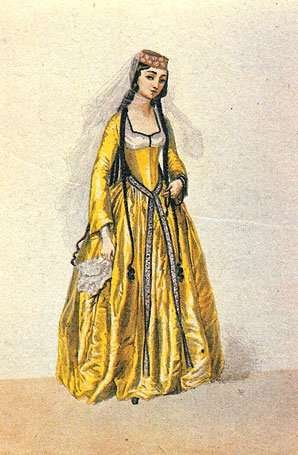
Expensive fabrics such as silk and velvet were used for sewing. Outerwear, such as katibi, was made of silk or velvet, and the lining was insulated with quilted cotton wool or fur.
Leather shoes served as footwear. Characteristic features: sharp curved toes, no back, heel. Shoes were decorated with precious stones and threads. Commoners made do with shoes made of rough leather.
Particular attention was paid to the headdress of the women's costume. It was quite complex. A cotton roll covered with a silk ribbon - kopi - was put on over a thin white triangular veil called lechaki. The head was covered with a dark-colored kerchief on top. To keep such a complex structure on the head, it was secured with a narrow velvet headband, which in turn was decorated with pearls and silk.
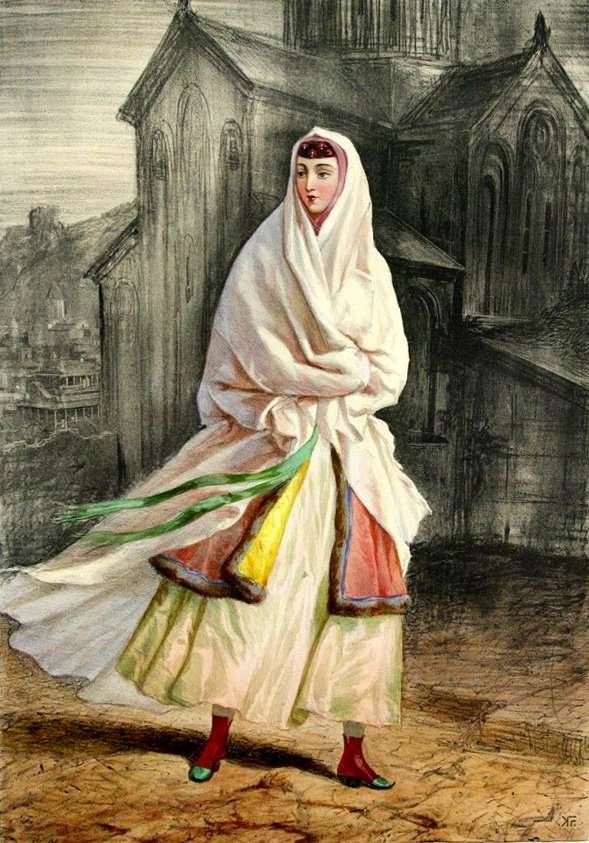
Women's costumes often had a multi-layered structure, which emphasized the wealth and status of their owner. The colors of the dresses varied from classic white and black to bright green, yellow, blue and red. Beads, pearls, gold braid and embroidery were used in ornaments and decoration. Each element of the costume carried a symbolic meaning, reflecting both the aesthetic and cultural traditions of the region.
Types of national costumes
Georgian national clothing was distinguished by its diversity and multifunctionality, meeting the requirements of everyday life, special events, wedding ceremonies and even children's parties. Each type of costume had its own materials, cut and decorations.
Wedding suits
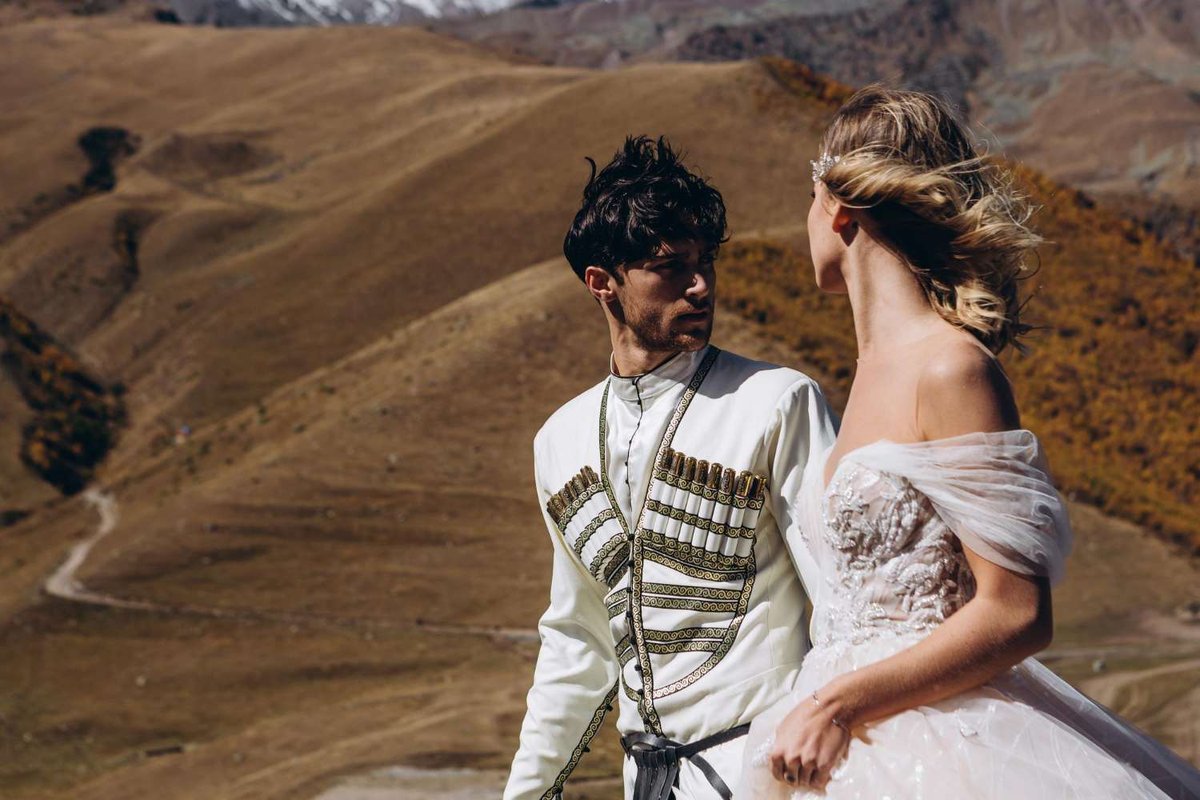
Wedding attire was one of the most exquisite. Women's wedding attire included a long dress in light shades, embroidered with gold or silver threads. The bride wore a veil, symbolizing purity, and a velvet or silk belt completed the look. Men's wedding attire consisted of an akhalokha and a chokha, complemented by festive weapons and accessories. Such attire was an integral attribute of a traditional Georgian wedding, in which every detail of the costume played an important role.
📌 Wedding attire was often passed down from generation to generation as a family heirloom.
Casual suits
Everyday clothes were simple and practical. They were made from materials that were available in each region: linen, wool or canvas. The clothes provided freedom of movement and comfort in everyday life. Men wore a simple chokha, and women wore light dresses with minimal decoration.
Formal suits
Formal clothing was intended for holidays, religious ceremonies, and social events. Such costumes were made from expensive fabrics, including silk and velvet, and decorated with intricate embroidery, beads, and metal elements. Bright colors, such as red and gold, emphasized the festive nature of the outfit.
📌 The ceremonial chokha of the nobility was decorated with gold threads, and women's dresses were complemented with jewelry. The atmosphere of such holidays was often complemented by Georgian choirs with their unique polyphonic chants.
Children's national costumes
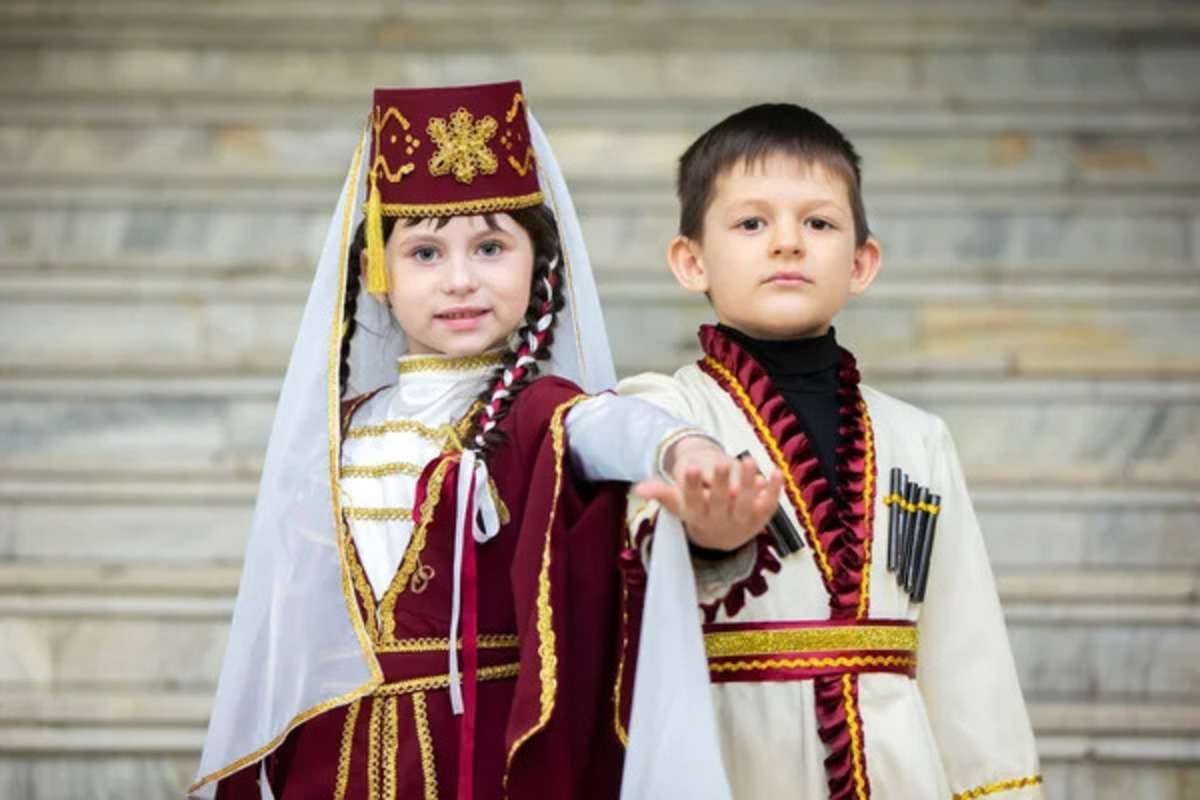
National clothes were also created for children, starting from the age of seven. Children's outfits were smaller copies of adult costumes, but with simplified decor and brighter colors, emphasizing their youth. Dresses resembling women's outfits, but less puffy and shorter, were sewn for girls. These costumes were often used at family celebrations and festivals, introducing children to Georgian traditions and culture.
Regional features of national clothing
Georgia is a country with rich cultural diversity, which is clearly reflected in the regional features of national costumes. Each region contributed its own unique features to traditional clothing, reflecting the climate, way of life and historical influences.
- Kartli and Kakheti
In the eastern regions of Georgia, Kartli and Kakheti, clothing was reserved and functional. Men wore woolen chokhas with minimal decoration, while women's dresses were elegant and simple, mostly in light and calm shades. In Kakheti, men often wore comfortable felt caps for working in the fields.
- Svaneti
In mountainous Svaneti, where the climate is harsh, costumes adapted to cold conditions. Men wore insulated chokhas and woolen capes, while women preferred dresses with long sleeves and bright embroidery. Thick fabrics were used for additional protection. A distinctive feature of the region was cone-shaped headdresses with small brims.
- Adjara
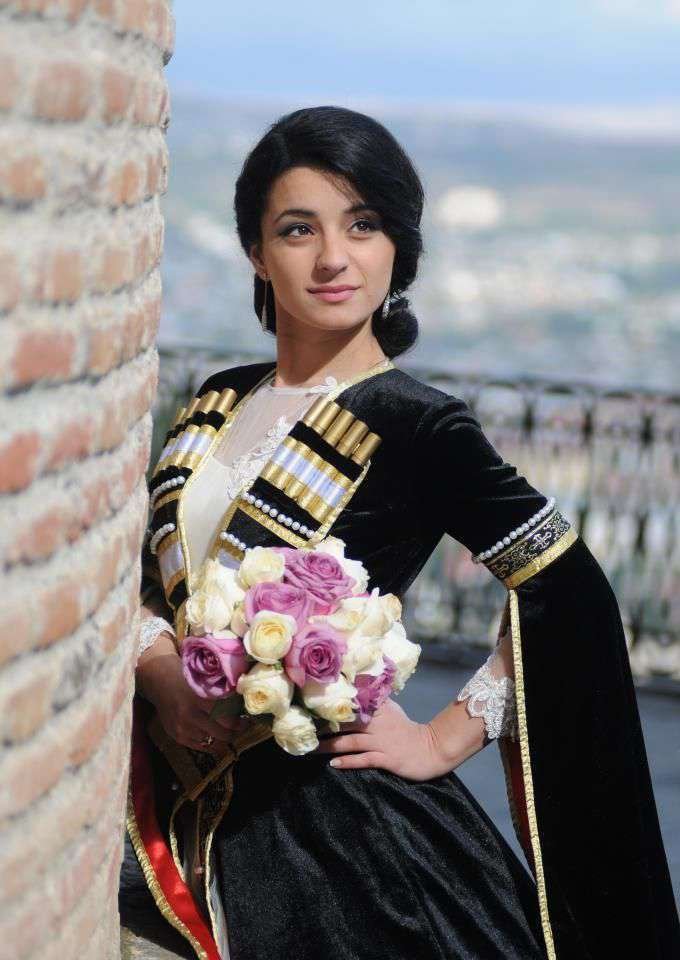
In sunny Adjara, in southwestern Georgia, clothing was bright and richly decorated. Women wore velvet dresses with gold embroidery, and men's suits included chokhas with decorative elements. Red and gold emphasized the festive nature of the outfits, symbolizing wealth and joy.
- Imereti
In central Georgia, in Imereti, costumes stood out for their sophistication. Women wore dresses with lace inserts and delicate embroidery that emphasized their grace, while men preferred chokhas made of soft fabrics with delicate patterns. The blue and white shades common in this region were associated with purity and nobility.
Modern interpretations of Georgian national clothing
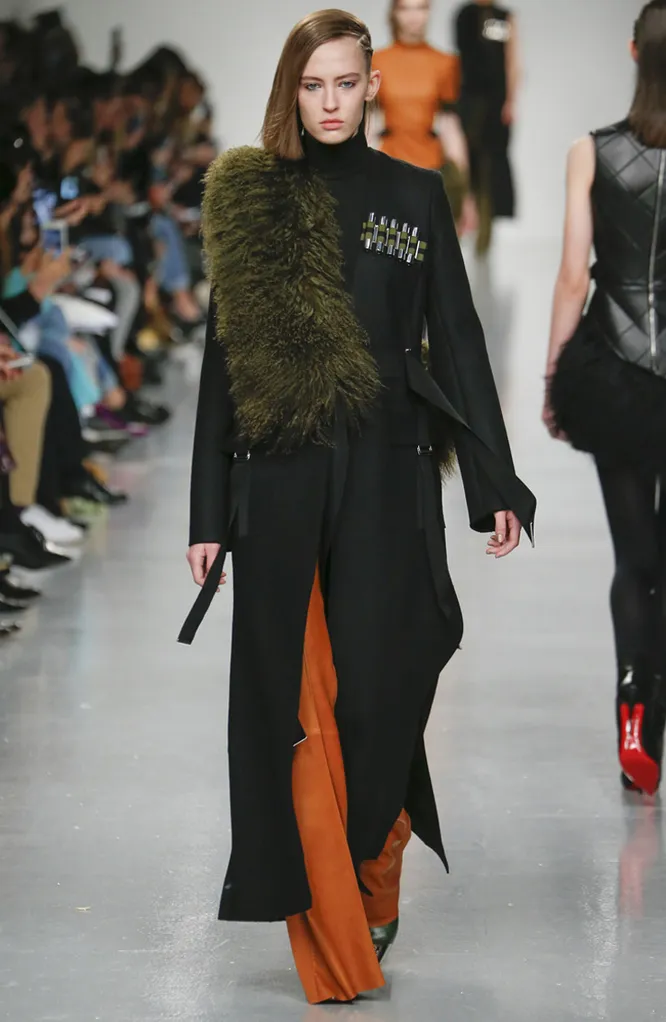
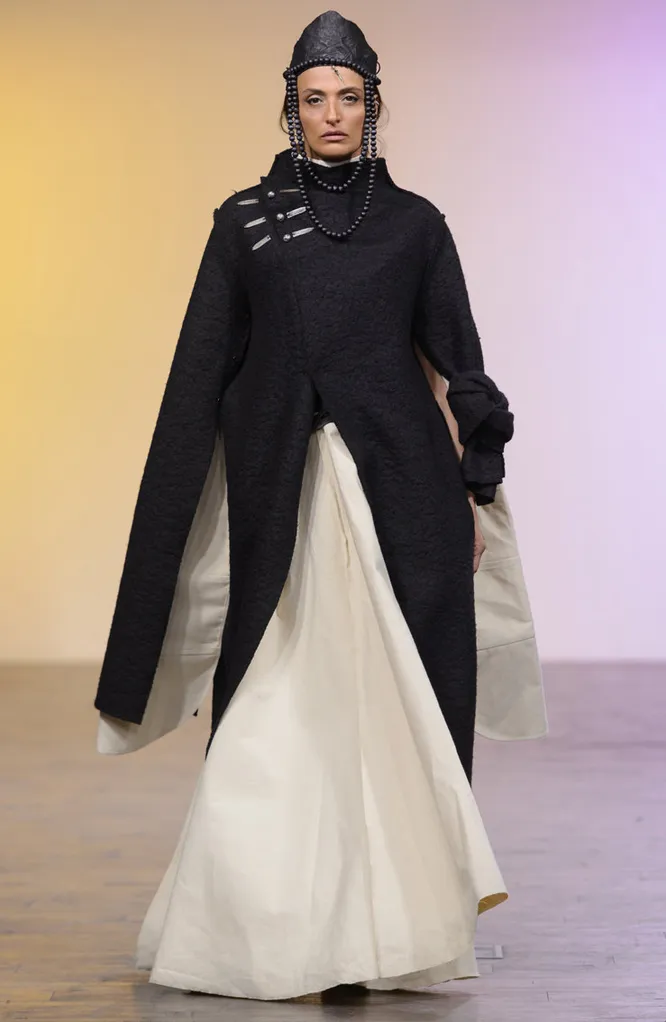
Georgian national clothing continues to inspire modern designers, becoming an integral part of world fashion. Traditional elements such as chokha, kartuli-kaba and perangi are adapted to modern trends, creating a unique style that combines historical heritage and relevance.
Designers popularizing national style
- David Koma: One of the most famous Georgian designers, who successfully combines elements of national costume with avant-garde solutions, making them popular in international fashion.
- Anouki Areshidze: Creates sophisticated outfits using traditional Georgian patterns and fabrics, which makes her collections recognizable.
- Demna Gvasalia: Creative director of Balenciaga, who brings Georgian motifs to the world haute couture industry. In his works, you can see the influence of traditional Georgian costume.
- Materials and approach: Many designers choose natural fabrics such as wool and silk, as well as hand embroidery, which emphasizes the uniqueness of their products.
National clothes on the catwalk and in everyday life
Modern collections of Georgian designers often include chokha in an interpretation that is suitable for urban style. Belts with national embroidery, coats in the perangi style and dresses with ethnic patterns are becoming popular not only in Georgia but also abroad.
Interesting facts
- At fashion shows in Paris and Milan, traditional Georgian costumes have become a source of inspiration for many world designers.
- Tbilisi Fashion Week is held annually in Tbilisi, where national clothing occupies a special place, and young designers present their interpretations of traditional outfits.
Festivals and Events
Georgia is famous for its colorful festivals and holidays, where national clothes play a key role, emphasizing the richness and originality of the culture. Here are the most famous and beloved festivals, where traditions and costumes come to life, and each of them is unique and interesting in its own way:
- Tbilisi
Tbilisoba is held on the first weekend of October in the capital of Georgia. This holiday celebrates the culture and history of Tbilisi, livening up the streets with folk festivals, concerts and fairs. Participants and guests wear national costumes, demonstrating the traditions of different regions.
- Batumoba
Batumi City Day, celebrated at the end of September or beginning of October, becomes a real cultural event. The program of the holiday consists of concerts, exhibitions and theatrical performances, where national clothes emphasize the originality of the region.
- Rtveli
The grape harvest festival, Rtveli, takes place in September-October and symbolizes the end of the agricultural year. Although the main action takes place in the vineyards, many regions organize public celebrations with songs, dances and traditional clothing.
- Festival "Art-Geni"
This folk festival takes place in Tbilisi in July and attracts lovers of Georgian culture. Visitors can enjoy folk music, dance and crafts, as well as see national costumes representing different regions.
- Mullet Festival
The Mullet Festival, held in August near the Golden Lake in Poti, combines master classes, games and lectures, creating an atmosphere of unity with traditions. National clothes often become part of the program, emphasizing the uniqueness of the event.
Our selection will help you feel the atmosphere of Georgian holidays, admire national costumes and learn more about the cultural wealth of this country.
Where to find national costumes
Traditional Georgian clothing remains an important part of the culture and continues to inspire not only local craftsmen, but also visitors to the country.
Georgian national costumes can be seen in museums in Tbilisi and other cities, where exhibits are presented that tell about its rich history. Festivals and events, such as Tbilisoba or "Art-Geni", provide an opportunity to see traditional costumes in a lively festive atmosphere.
For those who prefer an individual approach, studios and workshops offer custom-made national outfits, preserving cultural traditions in modern interpretations. Online stores are also available for convenience, where you can buy stylized costumes for the whole family.
The general features of national clothing, although similar to the traditional costumes of other Caucasian countries, are distinguished by severity and dandyism.
Each nation used its own colors, some elements of decoration and ornamentation. If the Georgians prefer black and white shades with blue and light blue inserts, then the inhabitants of Adygea are closer to bright red and green outfits, and the Chechens contrast the lower part of the men's suit with the upper part.
They are united by their silhouette - an elongated caftan with mandatory weapons for men and a long dress with a high collar for women.
If you want to get to know the people of Georgia, their customs and traditions better, study the detailed reviews and interesting articles on the pages of the Madloba catalog. We have collected information about historically significant facts and about the modern life of Georgians.
Frequently asked questions
National costumes can be rented from specialized studios and rental companies in Tbilisi and other large cities of Georgia.
Yes, many studios offer tailoring of costumes based on individual sketches, taking into account all the wishes of the customer.
Velvet, silk, cotton and wool are most often used for national costumes.
On average, it takes from 2 to 4 weeks to sew a costume, depending on the complexity of the design.
National costumes can be seen in museums, at festivals such as Tbilisoba, and in theatrical performances.
Yes, studios and shops offer stylized national costumes for children, which are often used at holidays and festivals.
The most commonly used colors are red, gold, black and white, which have symbolic meaning.
The price varies depending on the materials used and the complexity of the design, on average from 300 to 1000 GEL.
Yes, there are online stores where you can order stylized costumes with delivery.
Usually these are belts, scarves, hats and sometimes weapons such as daggers or sabers.

0 comments
Log in to leave a comment